
Plants
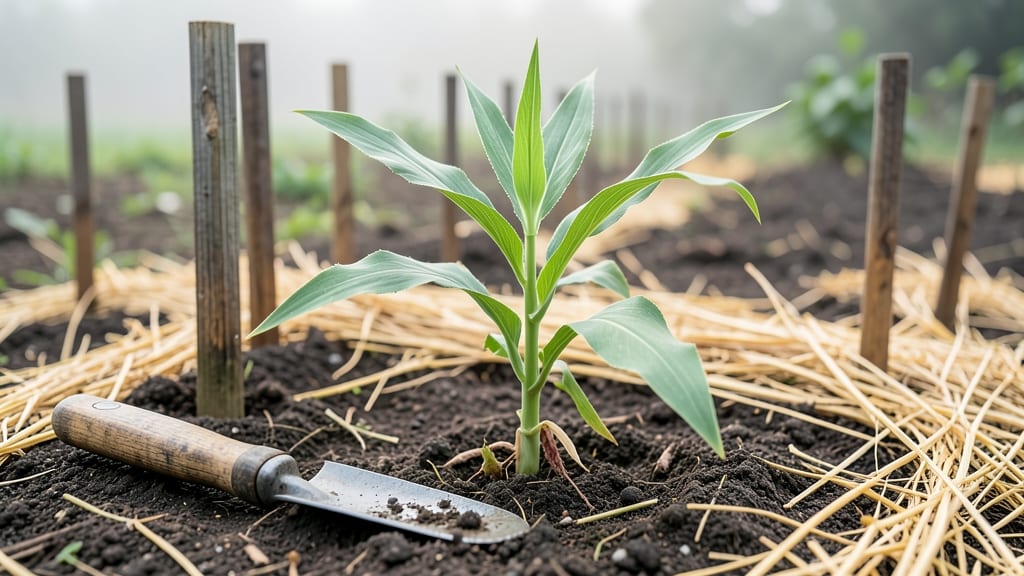
Timing your 🌽 corn planting in Middle Tennessee right isn’t just about following a calendar—it’s about catching the perfect window between frost and soil warmth that makes all the difference between a thriving crop and a disappointing one.
With USDA Zone 7a weather that can swing from chilly mornings to scorching afternoons, planting too early risks frost damage, while waiting too long might leave you with stunted ears.
The key is understanding when your soil hits that critical 60°F+ threshold—usually between April 15 and May 15, but with room for adjustment based on your microclimate.
I’ll walk you through exactly how to calculate your frost-free window, test soil temperature like a pro, and choose the right varieties for Middle Tennessee’s humidity and pests. No more guesswork—just peak yields and sweet, juicy ears from July through October.
Whether you’re a first-time gardener or a seasoned grower, these insights will help you avoid common mistakes and get your corn off to the best possible start. Let’s make this your most successful planting season yet!
Middle Tennessee corn planting dates by soil temperature (not just calendar months)
Corn thrives when planted at the right soil temperature, not just the calendar date. In Middle Tennessee (USDA Zones 6b-7a), corn seeds need soil that stays above 50°F for 10+ days to germinate properly.
Planting too early risks frost damage, while waiting too long can shorten your harvest window.
Most gardeners in Nashville, Murfreesboro, and Chattanooga aim for mid-April to mid-May planting, but this varies yearly. A soil thermometer is your best tool—wait until readings hit 60°F+ consistently before sowing seeds 1 inch deep and 12 inches apart.
Here’s why soil temperature matters: Corn roots struggle to absorb nutrients below 50°F, leading to weak seedlings. Meanwhile, 70°F+ soil speeds up germination to just 5-7 days. Middle TN’s spring warmth often aligns with late April to early May, but late frost risks linger until mid-April.
For sweet corn varieties, prioritize early-maturing types (60-75 days) like 'Silver Queen' or 'Peaches & Cream' to ensure harvest before summer heat stress. Dent corn (like 'Golden Bantam') can handle longer growing seasons but needs 90-120 days to mature.
Pro tip: Use black plastic mulch to warm soil faster if your spring runs cold. This method can shave 1-2 weeks off your planting timeline by raising soil temps by 5-10°F.
| Stage | Soil Temp Requirement | Middle TN Timeline | Action |
|---|---|---|---|
| Seed Germination | 50°F+ (10+ days) | Late April - Early May | Sow seeds 1" deep |
| Seedling Growth | 60°F+ | May - Early June | Thin to 12" spacing |
| Tasseling | 70°F+ | June - July | Monitor for pests |
| Harvest Ready | N/A (maturity) | July - October | Harvest when silks brown |
If you’re in higher elevation areas (e.g., near Cumberland Mountain), wait until May 1st to avoid late frosts. Conversely, lower elevations (e.g., Nashville basin) can plant as early as April 15th if soil temps cooperate.
For successive planting, stagger seeds every 2 weeks to extend harvests through summer. This works well for sweet corn but isn’t ideal for dent corn, which needs a full season.
Remember: Corn is wind-pollinated, so plant blocks (not rows) of at least 4 rows to ensure cross-pollination. In Middle TN’s humid summers, this also helps prevent uneven ear development.
Always check the UT Extension Service or Tennessee State University’s agricultural updates for year-specific frost forecasts. Their data often adjusts planting windows by 1-2 weeks based on recent weather patterns.
How to calculate your exact frost-free window for corn in Middle Tennessee
Middle Tennessee’s frost-free window is your golden ticket to growing sweet, plump corn. Unlike northern states, our USDA Zone 7a climate means corn can thrive with the right timing—but only if you know when to plant.
The average last frost date for Nashville, Murfreesboro, and Chattanooga falls between March 15 and April 1, but microclimates can shift this by weeks.
To pinpoint your exact window, start by checking historical frost data from your county’s UT Extension office. For example, Nashville’s last frost is typically March 28, while Chattanooga’s can be as late as April 10.
Planting 2-3 weeks after this date ensures your seedlings aren’t caught off guard by a late freeze.
Next, factor in your corn’s maturity days. Early varieties like ‘Silver Queen’ (75 days) can handle a late start, while ‘Peaches and Cream’ (90 days) needs an earlier planting.
Use this formula: Last frost date + maturity days = harvest date. Aim for a harvest before the first frost (usually November 15), leaving room for unexpected delays.
🌱 For extra precision, monitor local weather forecasts in the days leading up to your planned planting. Tools like the Old Farmer’s Almanac or NOAA’s frost prediction maps can help you adjust. If you’re in a valley or low-lying area, expect frost 2-3 days earlier than higher elevations.
Check your county’s last frost date
Use UT Extension data or the Old Farmer’s Almanac for local averages.
Add 2-3 weeks to the frost date
This gives seedlings time to establish roots before warm weather arrives.
Adjust for corn maturity
Early varieties (75 days) can plant later; late varieties (100+ days) need an earlier start.
Plant soil-temperature-ready seeds
Wait until soil hits 60°F+ for 10+ days (use a soil thermometer!).
Plan for succession planting
Stagger plantings every 2 weeks for continuous harvests through October.
For succession planting, repeat the process every 2 weeks after your initial planting. This ensures a steady supply of fresh ears from July through October.
For example, if your first planting goes in on April 20, follow up with seeds on May 5 and May 20 to extend your harvest window.
Pro tip: If you’re in a warmer microclimate (like near a lake or in Chattanooga’s urban heat islands), you can push planting back by 1-2 weeks.
Conversely, high-elevation areas (like the Cumberland Plateau) may need an earlier start. Always err on the side of caution—corn won’t forgive frost damage!
🌽 Once you’ve locked in your frost-free window, double-check by testing your soil temperature with a soil thermometer. Corn seeds need 60°F+ soil to germinate reliably. If your soil is still cool, consider starting seeds indoors or using black plastic mulch to warm the ground faster.