
Plants
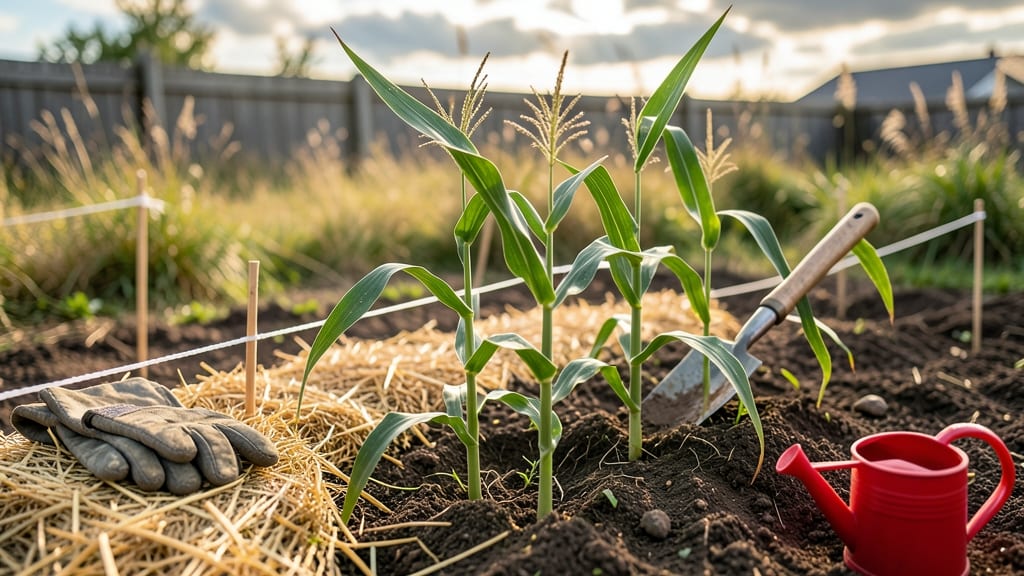
When to plant corn in Georgia isn’t just about avoiding frost—it’s about catching that sweet spot between soil warmth and summer’s scorching heat. With Georgia’s 7a-8b zones offering 210 frost-free days, timing your 🌽 could mean the difference between a bumper crop and a sad, wilted disappointment.
Most gardeners in Georgia wait until mid-April to late June, but the real magic happens when soil hits 60°F—at least 2 weeks after the last frost. That window gives your corn the head start it needs before the dog days of July kick in.
And if you’re growing heat-tolerant varieties like ‘Peaches & Cream,’ you might even squeeze in a second planting in early July for a late-season harvest.
Here’s the kicker: Georgia’s climate varies wildly from north to south, so what works in Athens might flop in Savannah. We’ll break down the exact dates by county, plus pro tips for pre-sprouting seeds in cooler pockets of the state.
Think of this as your cheat code for turning Georgia’s heat into your corn’s superpower.
Ready to ditch the guesswork? Let’s get into the exact planting schedule—plus the varieties that thrive when the mercury rises. Your garden (and your taste buds) will thank you.
Georgia corn planting dates by county: exact timing for optimal yields
Georgia’s diverse climate zones mean corn planting dates vary dramatically from North Georgia’s cooler hills to South Georgia’s subtropical heat. The key is planting after the last frost date (typically mid-March in North GA to early March in South GA) and when soil temperatures hit 60°F.
For sweet corn, aim for mid-April to early May in most regions, while field corn can wait until late May.
In North Georgia (USDA Zones 7a-7b), like Dahlonega or Blairsville, plant sweet corn between April 15–May 1. The last frost often lingers until April 15, so wait until 2 weeks post-frost to avoid chilling injury.
For South Georgia (Zones 8a-8b), like Valdosta or Savannah, you can start as early as March 20–April 1, thanks to warmer soils.
Here’s a county-specific breakdown to maximize your corn yield:
| Region | Counties | Last Frost | Planting Window | Ideal Variety |
|---|---|---|---|---|
| North GA | Fannin, Gilmer, Murray | Mid-April | April 15–May 10 | 'Peaches & Cream' (70 days) |
| Central GA | Fayette, Coweta, Douglas | Early April | April 1–May 15 | 'Silver Queen' (85 days) |
| South GA | Lowndes, Thomas, Grady | Late March | March 20–April 30 | 'Pioneer 33R28' (90 days) |
| Coastal GA | Chatham, Liberty, Bryan | Early March | March 15–April 15 | 'Golden Bantam' (60 days) |
For late-season varieties, like popcorn, consider a second planting in early July. This works best in South and Central GA, where summers stay hot enough for 90-day varieties to mature before first frost (typically mid-November).
Use black plastic mulch to warm soils faster in North GA if planting early.
Pro tip: Check the UGA Extension’s frost-free map for your exact county—it’s updated annually. Also, pre-sprout seeds indoors if your soil is slow to warm (common in North GA’s clay soils). This gives you a 2-week head start on the growing season.
If you’re in a microclimate, like a valley or urban heat island, plant 1–2 weeks earlier than the regional average. Corn thrives on consistent warmth, so avoid planting when nighttime temps dip below 55°F—this stresses young seedlings.
For organic growers, add compost or aged manure 2 weeks before planting to boost soil nitrogen. Corn is a heavy feeder, so don’t skip this step—it’s the difference between 10-inch ears and 6-inch nubs.
Always plant after a rain or water deeply post-planting to encourage root establishment. In drought-prone areas (like Southwest GA), use drip irrigation to maintain 1–2 inches of water weekly.
🌽
Georgia corn planting calendar: exact start dates by county & hardiness zones
Georgia’s three distinct climate zones mean your corn planting timeline should vary based on whether you’re in North Georgia’s cooler hills, Central Georgia’s transitional belt, or South Georgia’s subtropical heat.
The golden rule? Plant when soil temps hit 60°F and stay consistent—cold soil slows germination, while scorching heat stresses young seedlings.
Most Georgia gardeners aim for mid-April to early June, but microclimates matter. For example, Blue Ridge County (Zone 7a) might need to wait until May 1, while Camden County (Zone 8b) can start as early as March 25 for early varieties.
Always check your last frost date (typically March 15 in North GA, February 15 in South GA) and add 2-3 weeks as a buffer.
Here’s the visual breakdown of ideal planting windows by region, including heat-tolerant varieties and county-specific adjustments:
| Region | USDA Zone | Planting Window | Soil Temp Threshold | Best Varieties |
|---|---|---|---|---|
| North GA (Athens, Dalton) | 7a-7b | April 20 - May 10 | 60°F+ (consistent) | Pioneer 39T23, Bodacious |
| Central GA (Macon, Warner Robins) | 7b-8a | April 1 - May 15 | 60°F+ (consistent) | Silver Queen, Peaches & Cream |
| South GA (Savannah, Brunswick) | 8a-8b | March 25 - April 30 | 65°F+ (warmer soil) | Golden Bantam, Tuxedo |
| All Regions (Succession) | 7a-8b | July 1-15 (late varieties) | 70°F+ (heat-tolerant) | Pride of Baltimore |
🌱 Pro Tip: Use a soil thermometer—corn seeds need warmth to sprout!
For North Georgia’s cooler pockets (like Dahlonega or Blairsville), consider pre-sprouting seeds indoors 1-2 weeks before your target planting date. Place seeds in a damp paper towel, keep them at 70°F for 3-5 days, and transplant once sprouts are 1/2-inch tall.
This trick shaves critical weeks off your growing season.
If you’re in South Georgia’s Zone 8b, don’t wait too long—July heatwaves can stress even heat-tolerant varieties. Aim for early July plantings of Pride of Baltimore or Tuxedo for a late September harvest before the first frost.
And remember: shade cloth (30-50%) can protect seedlings from intense afternoon sun in May-June.
Always cross-check with your local UGA Extension office—they track real-time soil temps and pest alerts. For example, corn earworm pressure spikes in July-August, so timing your harvest window matters just as much as planting dates. With the right schedule, you’ll beat the heat and the pests—guaranteed fresh