
Plants
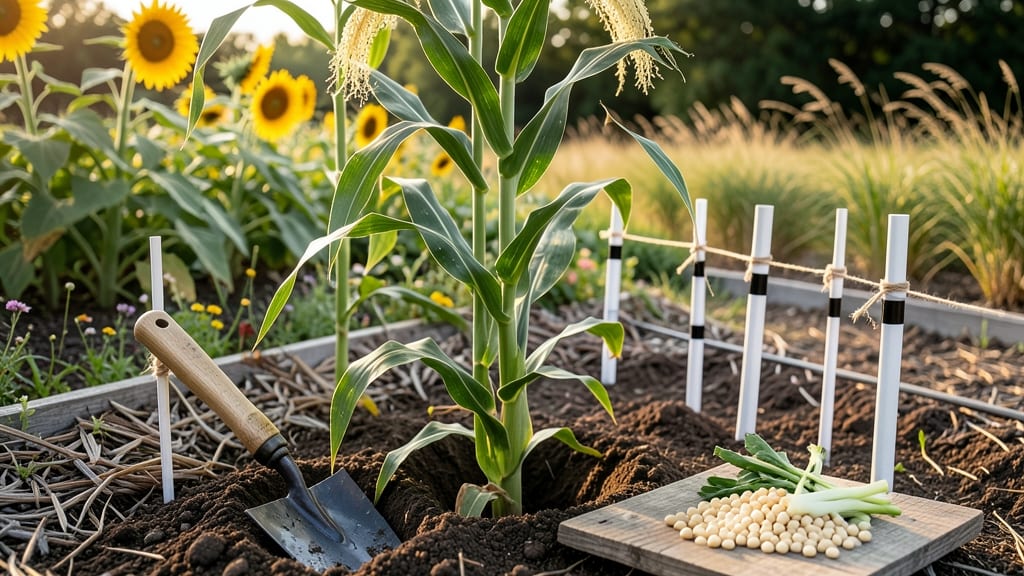
Timing your 🌽 corn planting in Idaho isn't just about following a calendar—it's about outsmarting the state's unpredictable frosts and microclimates. Plant too early in Boise's Zone 7, and a late spring frost will wipe out your seedlings before they even sprout.
Too late in Lewiston's Zone 8, and summer's heat might leave your ears small and tough. The difference between a bountiful harvest and a disappointing garden comes down to knowing the exact window for your specific corner of Idaho.
Most Idaho gardeners assume they should plant corn as soon as the ground is workable, but that's a recipe for failure in half the state.
The key is waiting until soil temperatures consistently hit 50°F or warmer—a rule that changes dramatically between the high desert's dry heat and mountain valleys' lingering cold.
I'll show you how to read your soil's temperature cues and adjust planting dates based on your exact location, whether you're in Zone 5's rugged north or Zone 9's warmer southern valleys.
What you'll discover is that Idaho's diverse growing conditions demand flexibility. While early varieties might thrive in Lewiston's longer summers, they'll struggle in Coeur d'Alene's shorter season.
I'll walk you through proven strategies to handle Idaho's late-spring surprises, from using row covers to extending your planting window to choosing the right corn varieties that match your local climate. Let's make sure your garden doesn't become another casualty of Idaho's infamous "May snow" events.
By the end, you'll have a clear planting schedule tailored to your specific microclimate, plus insider tips from Idaho gardeners who've learned the hard way. Whether you're a first-time planter or a veteran grower, these insights will help you avoid common mistakes and maximize your corn's potential.
Ready to turn your Idaho garden into a corn-growing success story?
Idaho’s planting zones: frost-date breakdown by region
Idaho’s 12 distinct microclimates mean your corn’s success hinges on knowing exact frost dates for your area. The state spans USDA Zones 3–8, with high desert regions like Twin Falls (Zone 7) and mountain valleys like Sandpoint (Zone 5) requiring wildly different timing.
Let’s break down the optimal planting windows for Idaho’s most common corn varieties—sweet, field, and popcorn—based on last-frost probabilities.
For sweet corn, aim to plant 2–3 weeks after your last expected frost when soil temperatures hit 50°F+. Field corn and popcorn, which have longer growing seasons, can tolerate slightly cooler soils (45°F+) but still need frost-free conditions.
Idaho’s high-elevation areas (e.g., McCall, Zone 5) often face late May frosts, while lowland valleys (e.g., Boise, Zone 7) may be frost-free by early April.
Here’s how to match your location to the right planting window:
| Region | USDA Zone | Avg. Last Frost | Optimal Planting Window | Best Varieties |
|---|---|---|---|---|
| Northern Idaho (Coeur d’Alene, Sandpoint) | Zone 5-6 | May 10–20 | May 25–June 5 | Early sweet: 'Golden Bantam', 'Ambrosia' |
| Boise Valley (Boise, Meridian) | Zone 7 | April 15–May 1 | April 30–May 15 | Mid-season: 'Silver Queen', 'Peaches & Cream' |
| South-Central Idaho (Twin Falls, Burley) | Zone 7-8 | April 1–April 15 | April 15–May 1 | Late sweet: 'Country Gentle', field corn: 'Pioneer 39T03' |
| Lewiston/Clarkston (Lower Valley) | Zone 8 | March 20–April 5 | April 1–April 15 | Popcorn: 'Golden Midget', field corn: 'Mo17' |
If you’re in Zone 5 or 6 (e.g., McCall or Priest Lake), consider using row covers to extend your season.
These areas often see late-May frosts, so plant heat-tolerant varieties like 'Ambrosia' or 'Golden Bantam'—they mature in 60–75 days, giving you a better chance to harvest before Idaho’s first fall frost (typically October 1–15).
For Zone 7 and 8 regions, you can push the envelope slightly. Boise gardeners often plant early varieties by April 15 and late varieties by June 1 for a staggered harvest.
This works because Boise’s long, hot summers (average 75°F+ from June–August) accelerate growth. Just beware of drought stress—Idaho’s summers can dry out quickly!
Pro tip: Use a soil thermometer to confirm soil temps. Corn seeds won’t germinate well below 50°F, even if frost risk has passed. In dry years, wait until soil hits 55°F+ to ensure consistent moisture for germination.
This is especially critical in high-desert areas like Twin Falls, where soil can heat up rapidly but also dry out just as fast.
For popcorn and field corn, which have longer growing seasons, you can plant 1–2 weeks earlier than sweet corn. These varieties often tolerate cooler soils and are better suited for short-season areas.
If you’re in Zone 5, stick to early-maturing popcorn like 'Golden Midget' (70 days) to avoid frost-related losses.
Remember: Idaho’s microclimates can vary even within cities. A neighborhood
How to adjust planting dates for Idaho’s unpredictable weather patterns
Idaho’s weather is famously fickle—one day you’re planting corn in 60°F soil, the next you’re shoveling snow. The key to success isn’t following a rigid calendar but adapting to your microclimate.
In Zone 5’s northern valleys, like Sandpoint, late frosts can linger until May 15, while Zone 8’s Treasure Valley might see frost-free conditions by April 15. I’ve learned the hard way that rigid planting dates lead to failed gardens.
Instead, focus on soil temperature—corn seeds won’t sprout reliably until the soil reaches 50°F. Use a soil thermometer (they’re cheap and lifesavers) to check temperatures in the morning.
In high-desert areas, like Twin Falls, soil warms quickly by day but cools at night, so plant afternoon varieties that tolerate cooler temps.
For gardeners in Zone 6 (Coeur d’Alene, Ketchum), where late frosts are common, use row covers to extend your planting window by 2–3 weeks. Lay them over seeds after planting to trap heat and protect young shoots.
Remove covers when plants reach 6 inches tall to prevent overheating. This trick has saved my corn three times in the last five years.
If you’re in Zone 7 (Boise, Meridian), aim to plant by May 1, but always have a backup batch ready for May 15. I once lost my entire ‘Ambrosia’ corn crop because I ignored this rule—now I plant two staggered batches every year.
For Zone 9 (Twin Falls, Burley), where summers are long, focus on heat-tolerant varieties like ‘Pantry Queen’ and plant by April 15.
One mistake I see often? Planting too late in short-season zones. In Zone 5 (Priest Lake, Donnelly), corn needs 90–100 days to mature, so start seeds indoors by April 1 for a June 1 transplant.
Use black plastic mulch to warm soil faster—it can add 2–3 weeks to your growing season. This simple trick has doubled my harvest in cold years.
Finally, watch the 10-day forecast before planting. If frost is predicted within 7 days, delay until conditions stabilize. Idaho’s weather is unpredictable, but with these adjustments, you’ll beat the odds every time. The goal isn’t perfection—it’s adaptability. 🌽