
Plants
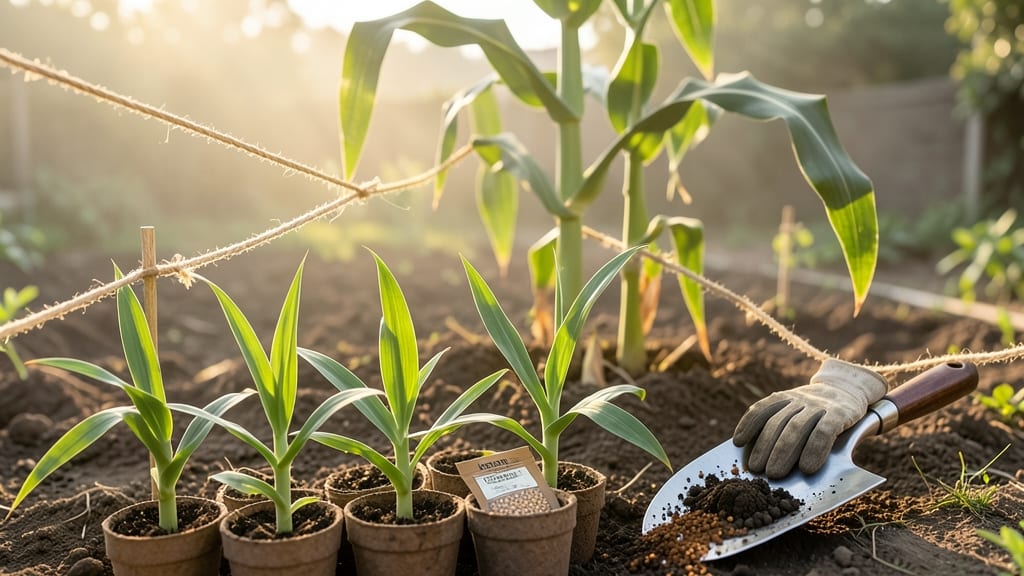
Timing your corn planting in Connecticut can make or break your harvest—get it wrong, and you might end up with stunted 🌽 or wasted seeds. The key isn't just about the calendar; it's about understanding your local frost dates and soil temperatures in zones 6a-6b.
Most gardeners in Connecticut plant their corn between mid-April and early June, but the exact window depends on where you live in the state. Hartford's last frost typically arrives around April 15, while coastal areas like Stamford may have a slightly later average.
Don't wait until the soil is just warm enough—corn thrives when temperatures consistently stay above 50°F, with ideal germination happening at 60°F+. That means starting seeds indoors or using cold-hardy varieties can give you a head start.
In this guide, I'll break down the exact planting schedule for your region, plus 5 proven tips to extend your growing season when Connecticut's unpredictable weather throws curveballs. Let's make sure your corn gets the perfect start!
Optimal planting dates for corn in Connecticut based on frost dates
Connecticut’s USDA zones 6a-6b mean corn planting hinges on last frost dates, which vary by region. Hartford typically sees its average last frost around April 15, while coastal areas like Stamford may wait until April 25.
New Haven falls in between, with April 20 as a safer benchmark. These dates create a 10-day window for planting sweet corn, field corn, and popcorn varieties.
For sweet corn varieties (like 'Silver Queen' or 'Peaches and Cream'), aim to plant 2-3 weeks after your last frost date. This ensures soil warmth and avoids cold-sensitive germination.
Early varieties like 'Early Sunglow' can handle cooler soils, while late-season types need the full growing window to mature before Connecticut’s first frost in mid-October.
Popcorn lovers should prioritize mid-to-late May planting for varieties like 'Strawberry Popcorn'. These take 90-120 days to mature, so delaying planting ensures kernels develop fully before frost. Field corn, often used for livestock, can tolerate later plantings but risks reduced yield if sown after June 1.
Use the 500-degree-day rule for corn: count days from planting until harvest, summing daily highs above 50°F. Connecticut’s 165 frost-free days limit your window—early plantings need 75-90 days to maturity, while late varieties stretch to 110 days.
🌽 Connecticut Corn Planting Guide
📅| Region | Last Frost Date | Optimal Planting Window | Variety Recommendations |
|---|---|---|---|
| Hartford | April 15 | April 25 - May 10 | Early: 'Early Sunglow', Mid: 'Silver Queen' |
| New Haven | April 20 | May 1 - May 15 | Mid: 'Peaches and Cream', Late: 'Country Gentleman' |
| Stamford | April 25 | May 10 - May 25 | Late: 'Bodacious', Popcorn: 'Strawberry' |
⚠️ Pro Tip: Plant in blocks (not rows) for better pollination—corn is wind-pollinated!
If you’re unsure about your local frost date, check the CT Agricultural Experiment Station’s frost maps or use the Almanac’s Frost Calculator. These tools account for microclimates—valleys frost earlier, while south-facing slopes warm faster. For succession planting, stagger seeds every 2 weeks to extend harvests through September.
Late plantings after June 1 risk poor ear development due to heat stress. If you miss the window, opt for short-season varieties like 'Ambrosia' (70 days) or grow corn in containers with black fabric to warm soil faster.
Always test soil temperature with a soil thermometer—corn won’t germinate below 50°F, and growth stalls under 60°F.
For organic gardeners, cover seeds with straw mulch to retain heat. This is especially critical in cooler inland areas like Torrington, where soils warm 1-2 weeks later than coastal regions. Monitor 7-day forecasts—planting before a 3-day cold snap can kill seedlings.
Remember: Corn needs 60-90 days of warm weather to produce ears. In Connecticut, that means planting by early June for a late-season harvest. Use row covers to push the window earlier if needed—just remove them after pollination to avoid tassel damage.
🌱
Soil temperature requirements for corn in CT: when to start seeds indoors vs outdoors
Corn seeds won't sprout reliably until your soil reaches 50°F, but they germinate fastest at 60°F+. In Connecticut's USDA Zone 6a-6b, this usually means waiting until late April to early May for outdoor planting, depending on your microclimate.
If you're eager to get a head start, early varieties like 'Early Sunglow' can be started indoors 4-6 weeks before your last frost (around mid-March for most CT gardeners). Use biodegradable pots and transplant seedlings carefully to avoid root shock.
| Condition | Indoor Starting | Outdoor Planting |
|---|---|---|
| Minimum Temperature | 60°F+ (with heat mat) | 50°F+ (soil temp) |
| Ideal Temperature | 70-75°F | 60-65°F |
| Best Varieties | 'Early Sunglow', 'Silver Queen' | 'Golden Bantam', 'Country Gentleman' |
| Starting Time | 4-6 weeks before last frost | After last frost, soil 50°F+ |
| Depth | 1 inch deep | 1-1.5 inches deep |
For outdoor planting, use a soil thermometer to confirm temperatures before sowing. In Connecticut, Hartford typically hits 50°F by mid-April, while Stamford may wait until late April. Plant seeds 1-1.5 inches deep in blocks (not rows) for better pollination.
If your soil stays cold longer than expected, consider black plastic mulch to warm the ground faster. This works especially well for late May plantings when you might miss the first window. Just remove the mulch once plants emerge to prevent overheating.
Remember: Corn needs consistent warmth to thrive. If nighttime temperatures dip below 50°F after planting, use row covers or frost cloth until plants reach 6 inches tall. This protects young seedlings from early spring frosts, which can stunt growth.
Once your corn reaches knee height, it becomes more frost-resistant. But for the first 2-3 weeks, keep an eye on nighttime temps—any dip below 45°F can damage tender young plants. With the right timing, you'll have plump, sweet ears ready for harvest by late July!