
Plants
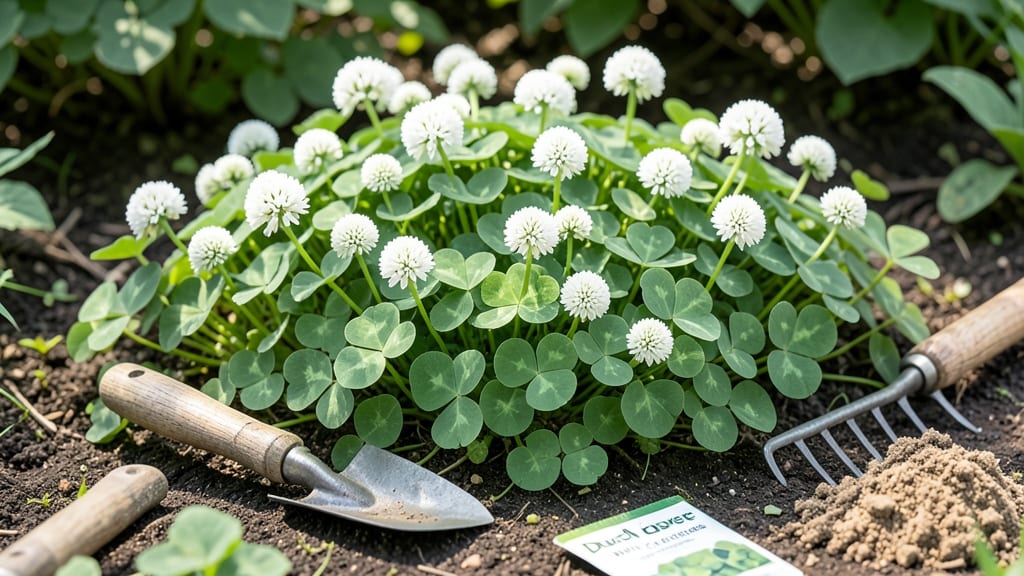
Timing your clover planting in Illinois can make or break your garden's success—especially when unpredictable spring weather throws off even the best-laid plans.
Whether you're aiming for a nitrogen-rich cover crop, a pollinator-friendly lawn, or a lush green space, getting those seeds in the ground at the right moment is everything.
With USDA zones 5-6 and frost dates that shift yearly, knowing whether to plant in early spring or early fall becomes the key to avoiding wasted effort.
Most Illinois gardeners swear by planting clover between March and April or August and September, but the real secret lies in soil warmth. Clover thrives when temperatures hit 60-70°F, which means checking your local frost-free date—and adjusting for microclimates—could save you from premature planting mistakes.
Northern Illinois might need to wait longer than southern regions, so let's break down the best windows for your specific area.
What happens if you plant too early? Cold soil can delay germination, leaving your seeds vulnerable to rot or frost damage. But planting too late? You might miss the optimal growing window entirely. The good news?
Illinois' two planting seasons give you flexibility—spring for quick cover and fall for early-season growth. I'll walk you through how to time it perfectly, whether you're seeding Dutch white, red, or crimson clover, and how to prepare your soil for maximum success.
Ready to transform your lawn or garden into a thriving ecosystem? Let's dive into the exact dates, soil prep tips, and microclimate considerations that will help your clover take root—and stay lush—all season long. No more guesswork, just proven strategies tailored for Illinois gardeners like you.
Best planting windows for clover in Illinois by microclimate
Illinois’ USDA zones 5a-6b create distinct planting windows for clover, depending on whether you're in northern or southern Illinois. The key is aligning your planting with soil warmth (60-70°F) and frost-free dates, which vary by 1-2 weeks across the state.
For most regions, early spring (March-April) and early fall (August-September) offer the best success.
In northern Illinois (zones 5a-5b), where last frost dates average April 15, aim to plant clover seeds between March 15 and April 10. This gives seedlings time to establish before summer heat.
Meanwhile, southern Illinois (zones 6a-6b) can start 1-2 weeks earlier, around March 1, thanks to milder winters and earlier soil warming.
Fall planting is another reliable option, especially for cover crops or pollinator-friendly lawns. In northern Illinois, plant August 15-September 15 to allow seeds to germinate before first frost (around October 15). Southern Illinois gardeners have until September 30 for fall planting.
Here’s how Illinois’ microclimates break down for clover planting:
| Region | USDA Zone | Spring Planting Window | Fall Planting Window | Soil Warmth Goal | Risk Level |
|---|---|---|---|---|---|
| Northern Illinois | 5a-5b | March 15-April 10 | August 15-September 15 | 60-70°F (achieved by late April) | Moderate (late frosts) |
| Central Illinois | 5b-6a | March 1-April 15 | August 1-August 30 | 60-70°F (achieved by mid-April) | Low (stable climate) |
| Southern Illinois | 6a-6b | February 28-April 1 | August 1-September 30 | 60-70°F (achieved by early April) | Very Low (earliest frost-free) |
🌱 Pro Tip: Use a soil thermometer to confirm warmth before planting—cold soil delays germination.
For Dutch white clover or microclover mixes, which germinate faster, you can push the spring window slightly earlier (as early as February 28 in southern Illinois). However, red clover and crimson clover need warmer soil (70°F+) and should wait until April 1 or later.
If you’re planting clover as a cover crop to fix nitrogen, fall planting is ideal—it establishes roots before winter and blooms early the next spring. For lawn mixes, split your seeding: 50% in spring and 50% in fall for year-round coverage.
One common mistake? Planting too early when soil is still cold (below 50°F). Seeds may rot or fail to sprout. Always check 7-day forecasts for frost warnings, especially in northern Illinois, where late frosts can linger into May.
For pollinator gardens, prioritize fall planting—clover flowers attract bees and butterflies, and early blooms in spring provide critical early-season nectar. In southern Illinois, you might even see two blooming cycles (spring and fall) with proper timing.
🌿 Always test your soil’s pH (6.0-7.0 ideal) and drainage before planting—clover struggles in waterlogged or acidic soil. Amend with lime or compost as needed.
How to check soil warmth & frost risk before planting clover
Planting clover in Illinois isn’t just about picking a month—it’s about soil temperature and frost risk. Clover seeds need soil warmth between 60-70°F to germinate properly.
Planting too early in cold soil can leave seeds sitting dormant or rotting, while waiting too long risks summer heat stress. Here’s how to get it right.
First, use a soil thermometer to check depth. Insert it 1-2 inches deep (where clover seeds will be) and wait 5 minutes. If the reading is below 55°F, your soil is too cold.
Most Illinois regions hit this sweet spot between late April and early May, but northern areas may need to wait until mid-May.
Next, verify your frost-free date. The National Weather Service or Old Farmer’s Almanac provide Illinois-specific forecasts. Aim to plant 2-4 weeks before the average last frost date—this gives seedlings time to establish roots before summer heat arrives.
🌱 Key Takeaways for Illinois Clover Planting
- Soil Temp: Wait until 60-70°F (use thermometer)
- Frost Risk: Plant 2-4 weeks before last frost date
- Northern IL: Target mid-May for spring planting
- Southern IL: Early April-May works for warm microclimates
- Fall Option: August-September for spring growth
⏰ Pro Tip: Check soil daily—temperatures can swing 10°F+ in a week!
Don’t rely on guesswork—use local climate data. For example, Chicago’s average last frost is April 20th, while Carbondale’s is April 10th. Planting too early in Chicago risks frost damage, while waiting too long in Carbondale may mean missed spring growth.
Always test your soil and monitor forecasts for 7-10 days before planting.
If you’re planting in fall for spring growth, aim for August-September when soil is still warm but frost isn’t imminent. This gives clover time to establish roots before winter dormancy. Just be sure to mulch lightly to protect young plants from early cold snaps.
Remember: Clover is resilient, but timing matters. A well-timed planting means faster germination, stronger roots, and a healthier lawn by summer. Skip the guesswork—check your soil, track frost dates, and plant with confidence!
🌿