
Plants
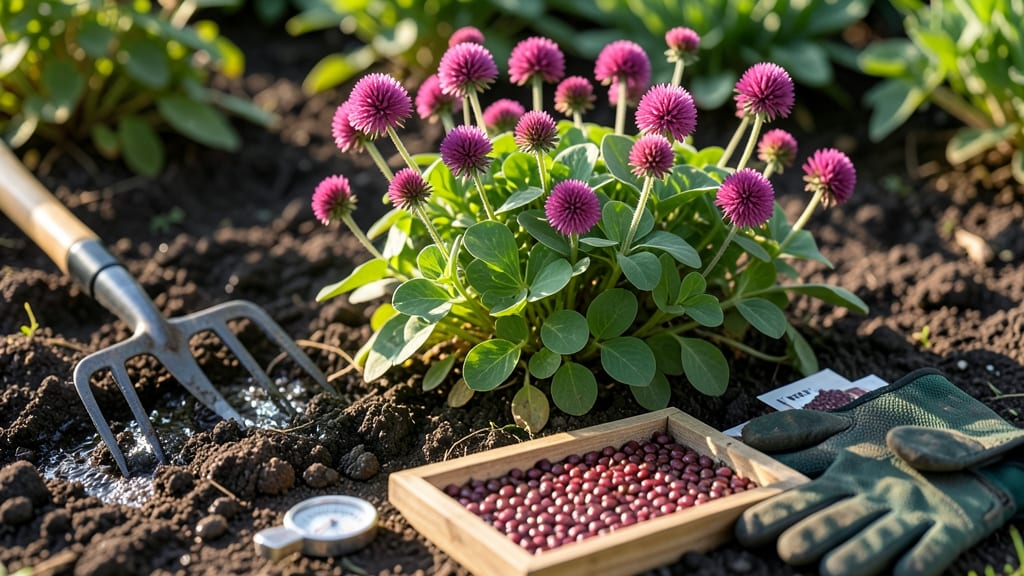
Timing your planting of crimson clover 🌸 in North Carolina could make or break your cover crop success—especially in zones 7b-8a, where frost dates shift unpredictably. Get it wrong, and you risk stunted growth or frost damage; nail it, and you’ll boost soil health and winter forage for years.
I’ve seen firsthand how a 4-week difference in planting can change everything—from lush green blooms to a patchy, struggling cover. The key? Understanding your local frost-free window and choosing between fall or spring planting, depending on your microclimate.
Let’s break down the exact dates and strategies to ensure your crimson clover thrives.
North Carolina’s variable climate means no one-size-fits-all answer, but there’s a sweet spot for planting this hardy cover crop. Whether you’re prepping for winter forage or spring soil enrichment, knowing when to sow—like late summer or early spring—can save you time and frustration.
Here’s how to align your planting with your zone’s frost dates for maximum success.
From adjusting for elevation to avoiding late-season heat stress, I’ll share the pro tips I’ve learned from NC growers. By the end, you’ll know exactly when to plant crimson clover in your backyard or farm to get the most out of this nitrogen-fixing powerhouse.
NC Zone 7b-8a frost dates: crimson clover planting window explained
North Carolina’s Zone 7b-8a frost dates create a critical window for planting crimson clover 🌸. The average last frost in Zone 7b is March 15, while Zone 8a sees it around March 1.
Conversely, the first frost typically arrives November 15 in Zone 7b and November 1 in Zone 8a. These dates define the optimal planting periods for this hardy cover crop.
For fall planting, aim to sow crimson clover 4-6 weeks before your expected first frost. This means late September to early October in most of NC. In Zone 8a, where winters are milder, you might extend this window slightly into mid-October.
Spring planting, on the other hand, should occur as early as February to allow the plants to establish before summer heat sets in.
Understanding these frost-free windows is key because crimson clover thrives in cool-season conditions. Planting too late in fall risks frost damage before establishment, while spring planting too late can lead to heat stress or poor growth.
The sweet spot is balancing these extremes to ensure vigorous growth and nitrogen fixation.
Here’s a quick visual guide to help you align your planting with NC’s frost dates and zone-specific conditions:
🌱 Crimson Clover Planting Window by NC Zone
| Zone | Last Frost | First Frost | Fall Planting Window | Spring Planting Window |
|---|---|---|---|---|
| 7b | March 15 | November 15 | Late Sept - Early Oct | February - Early March |
| 8a | March 1 | November 1 | Mid-Sept - Mid-Oct | Late Jan - March |
Microclimates and elevation changes can shift these dates by 1-2 weeks. For example, mountainous regions in western NC may experience earlier frosts, while coastal areas in Zone 8a might have extended growing seasons.
Always check your local USDA Plant Hardiness Zone Map and consider historical frost data from your county extension office for precise timing.
Another critical factor is soil temperature. Crimson clover germinates best when soil temps are between 60°F and 75°F. In NC, this typically aligns with late summer to early fall for fall planting.
For spring planting, wait until soil temps rise above 50°F to avoid slow germination. Use a soil thermometer to confirm—this small tool can save you from planting too early or too late.
If you’re planting in Zone 7b, where winters are colder, focus on fall planting to establish roots before frost. In Zone 8a, you might get away with a late fall planting or even a spring planting, but timing is still everything.
A well-timed planting ensures your crimson clover will fix nitrogen efficiently and provide winter forage for pollinators or livestock.
Pro tip: If you’re unsure about your local frost dates, use frost-free calculators from resources like the NC State Extension or Almanac’s Frost Date Tool. These tools factor in historical data and can give you a personalized planting window based on your exact location in NC.
Don’t guess—use data to maximize your success!
Best months to plant crimson clover in NC: fall vs. spring strategies
Choosing between fall and spring planting for your crimson clover 🌸 in North Carolina depends on your goals: winter forage or spring soil enrichment. Fall planting (September-October) establishes roots before winter, while spring planting (March-April) avoids frost risks but may face summer heat stress.
Both have trade-offs, but I’ve found fall planting often yields better results in NC’s climate.
For fall planting, aim to sow seeds 4-6 weeks before your area’s first frost date—typically by mid-October in Zone 7b and late October in Zone 8a. This gives seedlings time to root before winter dormancy.
In contrast, spring planting should happen 4-6 weeks before your last frost date (around mid-March in most of NC).
Soil temperature matters too. Crimson clover thrives when soil stays above 60°F for germination. Fall-planted seeds benefit from cooler autumn temps, while spring plantings must wait until soil warms—often late March or April. Use a soil thermometer to check before sowing.
Fall Planting vs. Spring Planting
Fall Planting
- ✅ Pros: Established roots before winter, better frost tolerance
- ✅ Best for: Winter forage, soil protection
- ✅ Ideal months: September-October
- ⚠️ Cons: Risk of winter kill in late plantings
Spring Planting
- ✅ Pros: Avoids winter stress, better for summer growth
- ✅ Best for: Spring soil enrichment, summer blooms
- ✅ Ideal months: March-April
- ⚠️ Cons: Slower establishment, summer heat stress
If you’re growing crimson clover for winter forage, prioritize fall planting—it’ll establish before cold sets in. For spring soil health, wait until soil warms in March or April.
In my experience, Zone 7b growers often prefer fall, while Zone 8a gardeners lean toward spring due to milder winters.
Pro tip: Mix crimson clover with ryegrass for fall plantings. The grass provides early ground cover, while the clover fixes nitrogen. For spring, pair it with white clover to extend the growing season. Both combos work wonders in NC’s variable climate.
Remember, microclimates matter. If you’re in a mountainous area (like the Blue Ridge), plant 2 weeks earlier than coastal regions. Use these guidelines as a starting point, then adjust based on your yard’s specific conditions.
With the right timing, your crimson clover will reward you with vibrant blooms and rich soil all season long.