
Planting
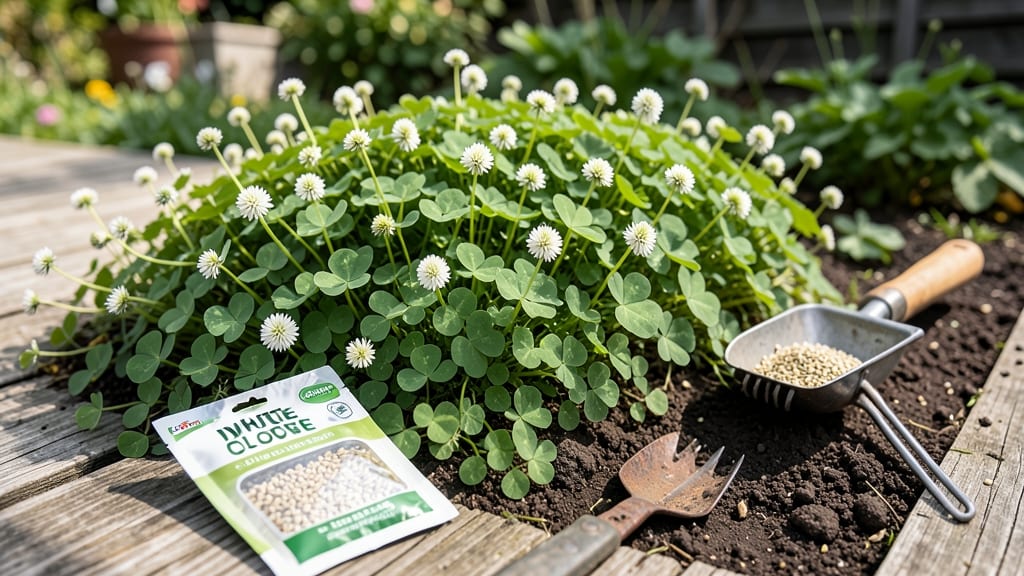
Planting clover in your lawn at the wrong time can mean the difference between a vibrant, resilient ground cover and months of frustration. Whether you're aiming for fast establishment or long-term weed suppression, timing is everything for this hardy but particular plant.
For most gardeners in USDA Zone 6a, the ideal windows are early spring—right after the last frost around April 15—or early fall, before the first frost hits in mid-October.
These periods give clover's delicate roots the perfect balance of warmth and moisture to take hold without competing with aggressive summer weeds or winter dormancy.
But here's the thing: not all lawns are created equal. Your local climate, soil type, and even your specific goals (like drought resistance or pollinator support) can shift what "ideal" means.
I'll walk you through how to read your lawn's signals and choose the planting window that sets your clover up for success from day one.
Ready to transform bare patches into lush, low-maintenance ground cover? Let's dive into the fastest way to get your clover thriving—no guesswork required.
Best seasons to plant clover in your lawn: spring vs fall comparison
Planting clover at the right time can transform your lawn from patchy to vibrant in just a few months. The two best windows are early spring and early fall, but each offers unique advantages depending on your climate and goals.
Let’s break down the pros and cons of each season to help you decide what works best for your lawn.
In spring, clover seeds germinate quickly when soil temperatures rise above 50°F (10°C). This means faster establishment and visible growth by summer. However, spring planting requires consistent moisture to prevent seeds from drying out before they sprout.
If you live in a region with late frosts, wait until after the last expected frost date to avoid seed damage.
On the other hand, fall planting—typically 4 to 6 weeks before your first frost—gives clover a head start on root development. Cooler temperatures reduce weed competition, and the plant enters winter stronger.
This method is ideal for drought-prone areas because established roots can better withstand dry spells in summer.
| Season | Best Planting Window | Soil Temp | Germination Time | Key Benefit |
|---|---|---|---|---|
| Spring | Early spring (after last frost) | 50-65°F (10-18°C) | 7-14 days | Fast summer coverage |
| Fall | 4-6 weeks before first frost | 55-70°F (13-21°C) | 10-21 days | Strong root growth |
If you’re in a warmer climate (USDA Zones 8-10), fall planting is often the better choice because summer heat can stress young clover plants. In cooler regions (Zones 3-6), spring planting may give you a longer growing season before winter sets in.
For northern climates, aim to plant clover in March or April (spring) or September or October (fall). In southern regions, shift your timing slightly later—April or May for spring and August or September for fall—to avoid extreme heat or cold snaps.
Regardless of season, soil preparation is key. Loosen the top 1/4 inch of soil, remove debris, and lightly rake to create a fine seedbed. This ensures good seed-to-soil contact, which is critical for germination.
A light layer of starter fertilizer can also give clover a nutrient boost right from the start.
Once planted, keep the soil consistently moist (not soggy) for the first 4-6 weeks. This is especially important in spring when evaporation rates are high. In fall, reduce watering slightly as temperatures drop, but don’t let the soil dry out completely.
Pro tip: If you’re overseeding an existing lawn, mow the grass short (1-1.5 inches) before planting to improve seed contact with the soil. Avoid heavy foot traffic on the area until the clover is at least 3 inches tall to prevent seed displacement.
Both spring and fall offer great opportunities, but the best choice depends on your local climate, lawn goals, and maintenance routine. For a quick fix, spring is ideal. For long-term resilience, fall planting often wins. 🌱
How to choose the perfect planting time based on your lawn’s needs
Selecting the right time to plant clover isn’t just about following a calendar—it’s about matching your lawn’s unique needs and local conditions. If your goal is fast establishment, early spring or fall are your best bets, but other factors like drought resistance or pollinator support might shift that timeline.
Let’s break down how to tailor your planting window for success.
Start by checking your soil temperature. Clover seeds germinate best when soil is between 50°F and 75°F. In USDA Zone 6a, this typically means planting after the last frost (around April 15) or before the first frost (mid-October).
However, if you’re in a warmer climate, you might extend these windows slightly—just avoid extreme heat or cold.
For drought-resistant clover, aim for early fall planting. The cooler temperatures and consistent moisture from autumn rains help roots establish deeply before winter, giving your lawn a head start in dry spells.
If you’re prioritizing weed suppression, spring planting works best—clover grows aggressively in warm weather, outcompeting weeds before they take over.
Here’s a quick way to decide: Ask yourself what your lawn needs most. Need fast cover? Plant in spring. Want long-term resilience? Go for fall.
And if you’re unsure, a simple soil thermometer (available at garden centers) can give you instant clarity—just stick it in the ground and check the reading before planting.
🌱 Key Factors to Consider When Choosing Your Planting Window
- 🌡️ Soil Temperature: Ideal range is 50°F–75°F for germination.
- 🌧️ Moisture Levels: Consistent rainfall or irrigation is critical for the first 4–6 weeks.
- ☀️ Sunlight Exposure: Full sun (6+ hours/day) speeds up growth but avoid peak summer heat.
- 🌿 Lawn Goals: Fast cover? Spring. Drought resistance? Fall.
- ❄️ Frost Dates: Plant at least 2–3 weeks before the first frost in fall.
Don’t overlook your lawn’s current condition. If you’re overseeding an existing lawn, spring is ideal—it gives clover time to establish before summer stress sets in. For bare patches, fall planting often works better because the cooler weather reduces competition from weeds and grasses.
And if you’re planting in a shady area, extend your window slightly—clover tolerates partial shade but grows slower in low light.
Pro tip: If you’re unsure about your local frost dates, check your USDA Plant Hardiness Zone map or ask at your local cooperative extension office. They’ll provide hyper-local advice tailored to your region’s microclimate.
For example, gardeners in Zone 7 might plant as late as November, while those in Zone 5 should aim for mid-September at the latest.
Finally, remember that clover thrives on consistency. Whether you choose spring or fall, commit to regular watering (deep soaks every 7–10 days) and minimal foot traffic for the first 6–8 weeks.
This small effort upfront will pay off with a lush, low-maintenance lawn that outlasts traditional grass in many climates.