
Plants
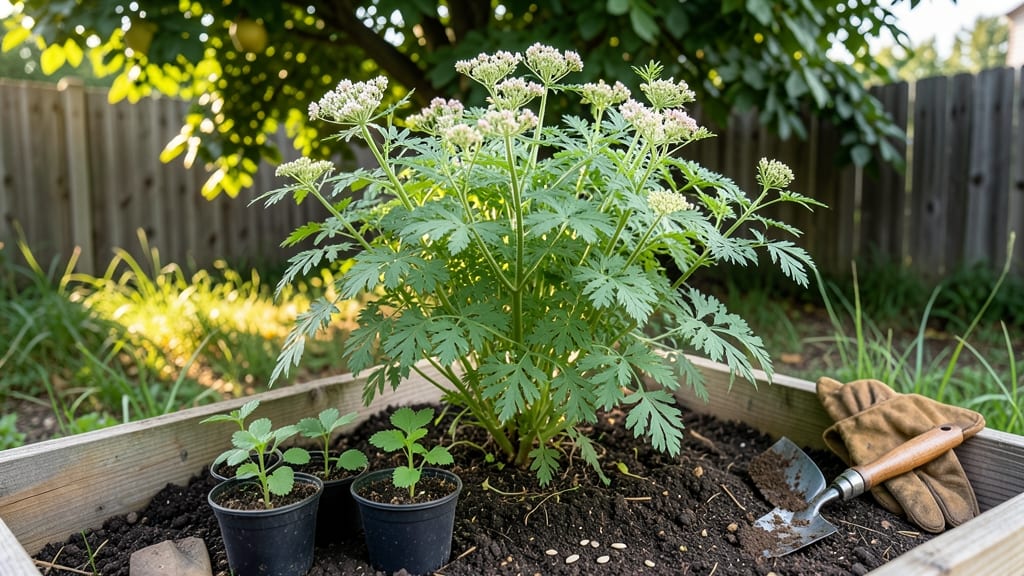
Timing your cilantro planting in North Carolina is the key to avoiding bitter, bolted leaves before you even get to harvest.
This cool-weather herb 🌿 loves the mild spring and fall seasons but wilts under NC’s summer heat—so getting those seeds in the ground at the right moment makes all the difference.
Most NC gardeners know cilantro won’t survive long in 7a-8a zones once temperatures hit 80°F, but the exact window for planting can feel like a guessing game.
Whether you’re in the Piedmont or coastal areas, the difference between a thriving herb garden and a sad, bolted disappointment often comes down to when you start those seeds.
In this guide, I’ll break down the perfect planting dates for both spring and fall—plus which cilantro varieties actually stand a chance against NC’s heat. You’ll learn how to stretch your harvest by avoiding common mistakes and when to give up on summer cilantro entirely.
Ready to grow cilantro that stays fresh and flavorful? Let’s get those seeds in the soil at the right time so you can enjoy homegrown cilantro all season long.
Best planting times for cilantro in NC: fall vs spring guidelines
North Carolina’s diverse climate zones (from coastal to mountainous) create unique challenges for growing cilantro. The key to success? Planting at the right time to avoid bolting—when the plant prematurely flowers and tastes bitter.
Most of NC falls in USDA Zones 7a-8a, meaning you’ll need to adjust your timing based on your specific region’s last frost date (typically March 15) and first frost date (around November 15).
For spring planting, aim to sow seeds 2-3 weeks before your last frost date. This usually lands in late February to early March for coastal areas and mid-March to early April for inland regions like Raleigh or Asheville.
The goal is to give cilantro enough time to mature before temperatures climb above 80°F, which triggers bolting. In fall, plant 6-8 weeks before your first frost, typically between late August and mid-September, to ensure a harvest before winter sets in.
Here’s a quick regional breakdown to help you pinpoint the best window:
- Coastal NC (Zones 8a-8b): Start spring seeds in February and fall seeds in late August.
- Piedmont (Zones 7a-7b): Plant spring seeds in March and fall seeds in early September.
- Mountainous NC (Zones 6b-7a): Wait until mid-March for spring and late August for fall to avoid early frosts.
🌱 Cilantro Planting Timeline for NC
| Season | Planting Window | Key Considerations | Harvest Window |
|---|---|---|---|
| Spring | Late Feb - Early Apr | Avoid soil temps above 80°F; use shade cloth if needed. | May - Early June |
| Fall | Late Aug - Mid-Sep | Extend season with row covers; stop planting by early Oct. | Oct - Nov |
| Summer (Risky) | June - July | Only attempt with heat-resistant varieties; expect bolting. | Limited harvest (if any) |
If you’re new to growing cilantro in NC, start with small batches to test your local conditions. For example, I planted a test batch in early April one year, and the 85°F heatwave in May caused the entire crop to bolt within 10 days.
Since then, I’ve shifted to late March plantings and use shade cloth to protect seedlings during heat spikes. This simple adjustment extended my harvest by 3 weeks!
Another pro tip: Succession planting every 2 weeks in spring and fall ensures a steady supply of fresh cilantro. For instance, if you plant your first batch in late March, follow up with seeds in mid-April and early May to stagger your harvest.
This method works especially well for container gardening, where you can move pots to shadier spots as temperatures rise.
For coastal gardeners, humidity can be a double-edged sword. While cilantro loves moisture, poor air circulation increases the risk of fungal diseases like powdery mildew. To combat this, space plants 8-12 inches apart and avoid overhead watering.
I’ve found that drip irrigation keeps leaves dry while delivering consistent moisture to the roots, which is critical for preventing bolting due to stress.
One common mistake I see in NC gardens is planting too late in spring or too early in fall. For example, sowing seeds in May often results in bolting by June, while planting in October risks frost damage before harvest.
To avoid these pitfalls, use a planting calendar tailored to your USDA zone. Many local Cooperative Extension offices, like those at NC State University, offer free resources with exact dates for your county.
Finally, don’t overlook soil preparation as part of your planting strategy. Cilantro thrives in well-draining, nitrogen-rich soil with a pH of 6.2-6.8. Before planting, amend your soil with compost or aged manure to improve fertility.
I mix in a 1-inch layer of compost into the top 6 inches of soil and top it with mulch to retain moisture and regulate temperature. This prep work makes a huge difference in preventing bolting due to nutrient stress.
Best planting times for cilantro in NC: fall vs spring guidelines
North Carolina’s 7a-8a climate zones create a tight window for growing cilantro—too early and frost threatens young plants, too late and the heat triggers bolting. The ideal planting times are early spring and late summer, but exact dates vary by region.
For most of NC, aim to plant cilantro 2-3 weeks before your last frost date in spring (typically mid-March to early April) and 6-8 weeks before the first frost in fall (usually late August to early September).
Coastal areas like Wilmington can start slightly earlier (late February), while mountainous regions like Asheville may need to wait until early April. The key is avoiding soil temperatures above 75°F, which causes cilantro to bolt within days. Always check your local USDA zone and frost dates for precision.
| Season | Planting Window | Key Dates (NC Average) | Soil Temp Threshold |
|---|---|---|---|
| Spring | 2-3 weeks before last frost | Mid-March to early April | Below 75°F |
| Fall | 6-8 weeks before first frost | Late August to early September | Below 80°F |
| Summer (Risky) | Not recommended | June-July (only heat-resistant varieties) | Above 85°F (bolting guaranteed) |
For a spring harvest, plant cilantro in early March (coastal) or late March (mountains) to ensure leaves mature before summer heat sets in. In my Piedmont garden, I’ve found that cilantro sown in early April yields the most consistent harvests, with leaves ready by early May.
The secret is shade cloth or afternoon shade once temperatures creep above 70°F.
Fall planting is equally critical—sow seeds in late August for a harvest before frost. I’ve had success with cilantro planted as late as early September in the Piedmont, but coastal areas should start earlier to avoid early frosts.
Always use row covers in late fall to extend the season by 2-3 weeks.
If you’re determined to grow cilantro in summer, focus on heat-tolerant varieties and provide partial shade during peak afternoon heat. However, expect bolting within 2-3 weeks unless you’re using specialized cultivars designed for summer growing.
For most NC gardeners, summer cilantro is a lost cause—save your energy for spring and fall.
Pro tip: Use a seed starting kit to get a jump on the season. I start cilantro indoors 4-6 weeks before my target outdoor planting date, then transplant seedlings when soil temperatures drop below 70°F. This gives me a 2-week head start on the bolting clock.