
Plants
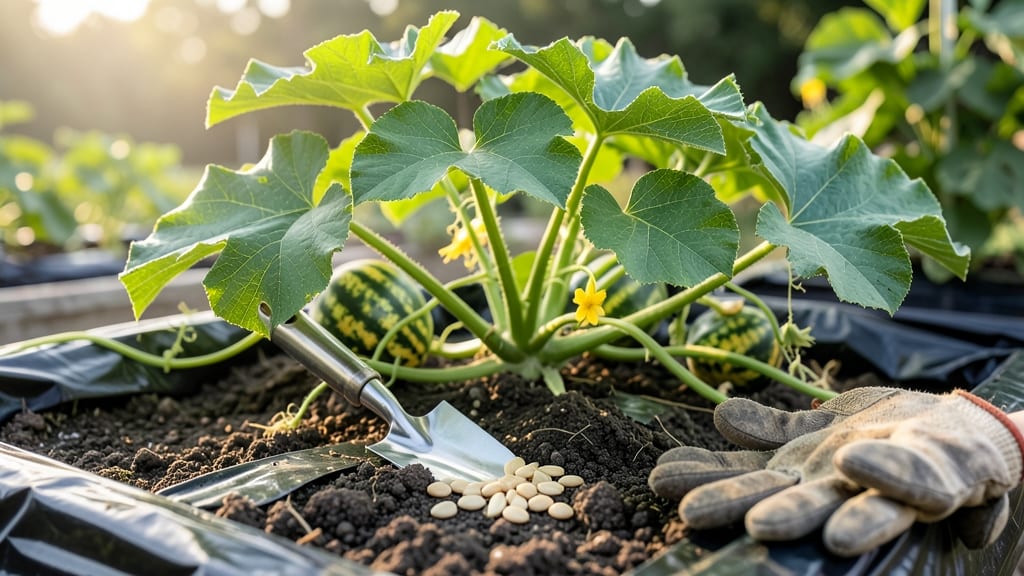
Planting watermelon in North Carolina at the wrong time can mean the difference between a bountiful harvest and wasted effort. With just 90 days to maturity for most varieties, timing is everything—especially when you're balancing 7a-8b zones and unpredictable spring weather.
Most gardeners in North Carolina wait until late April to early May after the last frost, but the real secret lies in soil temperature.
Your 🍉 watermelon seeds won’t sprout until the ground reaches 70°F—and that can mean waiting weeks longer in the cooler Piedmont than in the warmer Coastal Plain.
In this guide, I’ll break down the exact planting windows by zone, plus pro tips to extend your season with mulch and row covers. Whether you’re growing 'Crimson Sweet' or 'Sugar Baby', you’ll learn how to align your schedule with NC’s climate for the sweetest, juiciest harvest.
Skip the guesswork and plant with confidence—your future summer picnics depend on it!
North Carolina watermelon planting calendar by USDA hardiness zones (7a-8b)
North Carolina’s USDA zones 7a-8b offer perfect conditions for watermelon cultivation, but timing varies dramatically across regions. The Piedmont (zone 7a) has later frost dates than the Coastal Plain (zone 8a), meaning your planting window shifts by weeks.
For 90-day varieties like 'Crimson Sweet', you must plant after soil warms to 70°F—typically mid-May in the Mountains and early May in the Coastal Plain.
Use your last frost date as a baseline, then add 2-4 weeks to ensure vines establish before summer heat peaks. In zone 7a (Asheville), aim for late May; in zone 8a (Raleigh), you can start as early as early May.
Watermelons are frost-sensitive, so never plant before the 10% frost risk window ends.
🌱
| USDA Zone | Last Frost Date | Ideal Planting Window | Soil Temp Requirement | Harvest Window |
|---|---|---|---|---|
| 7a (Mountains) | Mid-April | Late May | 70°F+ | Late July - Early Sept |
| 7b (Piedmont) | Early April | Mid-May | 70°F+ | Early July - Mid-Sept |
| 8a (Coastal Plain) | Late March | Early May | 70°F+ | June - Late Sept |
| 8b (Outer Banks) | Mid-March | Late April | 70°F+ | May - Oct |
For short-season varieties like 'Sugar Baby' (70 days to maturity), you can push planting dates 2 weeks earlier in zones 8a-8b. However, longer varieties like 'Charleston Gray' (90 days) require precise timing to avoid early fall frosts.
Always check your local NC State Extension office for microclimate adjustments.
Pro tip: Use a soil thermometer to confirm 70°F+ soil temps before planting. Cold soil delays germination and weakens vines. In zone 7a, I’ve seen seedlings rot in 55°F soil—never rush the process. Patience here means bigger, sweeter melons later.
If you’re in zone 7a and want a second harvest, try succession planting in early June for late-summer varieties. The trade-off? You’ll sacrifice yield size for extended production. For maximum fruit weight, stick to a single planting in mid-May.
🌞
Watermelons thrive in NC’s heat, but drought stress during flowering can reduce pollination. In zone 8a, where summers are longer, I recommend drip irrigation to maintain 1-2 inches of water weekly. Avoid overhead watering—it spreads fungal diseases like powdery mildew, which thrives in NC’s humid summers.
One common mistake? Planting too close to fences. Waterm
North Carolina watermelon planting calendar by USDA hardiness zones (7a-8b)
North Carolina’s USDA Zones 7a-8b offer perfect conditions for watermelons, but timing varies dramatically between the cooler mountains (Zone 7a) and the warmer Coastal Plain (Zone 8b).
The key is planting after your average last frost date—typically mid-April in the Piedmont but as late as early May near the coast—and ensuring soil temperatures stay above 70°F for consistent germination.
Most watermelon varieties need 75-90 days to mature, so late May plantings in Zone 7a (like Asheville) often yield fruit by early August, while early May starts in Zone 8b (like Wilmington) can produce harvests by July.
Always check your local frost-free date—use the NC State Extension’s Frost Calculator for precision.
🌱 PRO TIP: Use a soil thermometer to confirm temperatures. Watermelon seeds won’t sprout below 65°F, but roots thrive at 70°F+. Black plastic mulch can raise soil temps by 5-10°F, letting you plant 2-3 weeks earlier.
| USDA Zone | Last Frost Date | Ideal Planting Window | Soil Temp Requirement | Harvest Window |
|---|---|---|---|---|
| Zone 7a (Mountains) | Mid-April | Late May | 70°F+ (use mulch) | Early August |
| Zone 7b (Piedmont) | Early April | Mid-May | 70°F+ | Mid-July to August |
| Zone 8a (Coastal Plain) | Late March | Early May | 70°F+ | Late June to July |
| Zone 8b (Outer Banks) | Early March | Late April | 70°F+ | June to July |
For early harvests, consider transplanting seedlings instead of direct sowing. Start seeds indoors 4-6 weeks before your last frost date, then move them to the garden after soil warms.
This cuts 10-14 days off your growing season. Just be sure to harden off seedlings for 7-10 days before transplanting to avoid shock.
If you’re in Zone 7a and want a second harvest, try succession planting in early June with heat-tolerant varieties like 'Crimson Sweet'—they’ll mature by late September before cooler temps arrive. Just monitor cucumber beetles, which thrive in NC’s humidity and can devastate young vines.
✅ KEY TAKEAWAY: Align your planting with soil temperature, not just calendar dates. A 70°F+ soil ensures strong germination and faster growth—critical for NC’s short growing season in cooler zones. Use mulch to warm the soil if needed, and always plant after the last frost for maximum yield.