
Plants
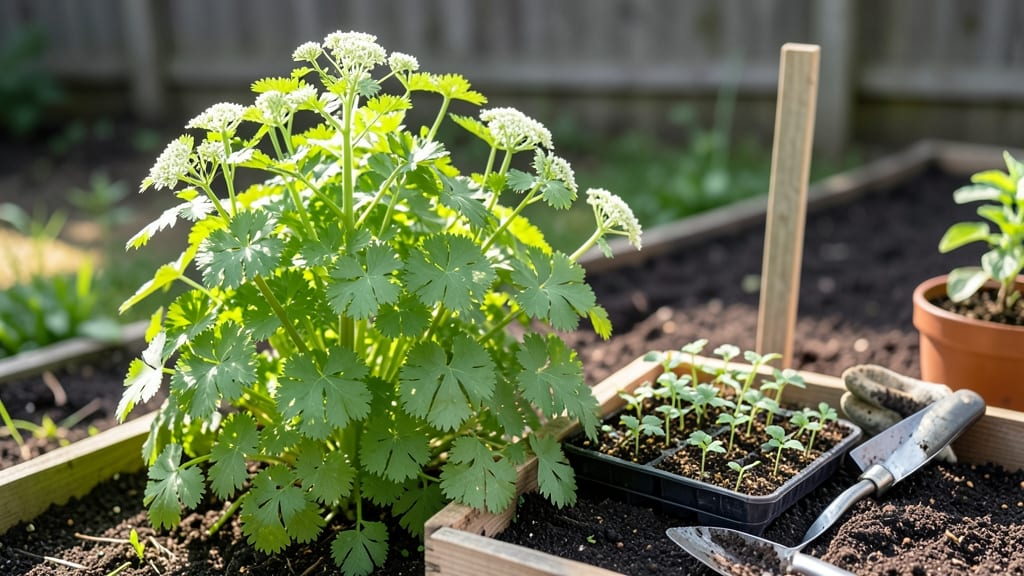
Planting cilantro in Ohio at the wrong time can turn your fresh herb dreams into a bitter, bolted mess—unless you nail the frost-free window. This cool-weather lover thrives in USDA Zone 6a but wilts under summer heat, making timing everything.
I’ll show you exactly when to sow seeds for maximum flavor and harvest, so you avoid the common pitfalls that leave gardeners frustrated.
The key is planting cilantro early spring (March–April) or late summer (August–September) to dodge Ohio’s sweltering summers. Too late, and your cilantro will bolt before you can harvest a single leaf.
Too early, and frost will zap your seedlings. I’ll break down the perfect schedule for your Ohio garden, including soil prep tricks to keep your cilantro happy and productive.
Whether you’re a first-time gardener or a seasoned green thumb, getting cilantro right comes down to understanding its needs. We’ll cover everything from soil temperature to shade strategies, so you can enjoy fresh 🌿 all season long. Ready to grow cilantro that actually tastes like cilantro? Let’s get started.
By the end, you’ll know not just when to plant, but how to extend your harvest window—so you’re not left with sad, bolted plants. Trust me, your taste buds will thank you.
Ohio’s ideal cilantro planting windows: frost dates & heat tolerance
Ohio’s USDA hardiness zones 5-7 create a unique challenge for growing cilantro (Coriandrum sativum). This herb thrives in cool temperatures (40–75°F), making timing critical.
Plant too early, and frost will kill your seedlings; too late, and Ohio’s summer heat (80°F+) will trigger bolting—turning your fresh herb into bitter, flowering stems before harvest.
Most Ohio gardeners succeed with two planting windows: early spring and late summer. The key is aligning your schedule with average last frost dates, which range from mid-April in southern Ohio to late April in northern zones.
Use these dates as your planting anchor, then adjust for your microclimate—urban areas often warm faster than rural spots.
For spring planting, aim to sow seeds 4–6 weeks before your last frost date. In USDA Zone 6a (central Ohio), that’s typically mid-March to early April.
Start seeds indoors if your soil is still cold, or direct-sow into well-draining, compost-amended soil once nighttime temps stay above 40°F. Seedlings emerge in 7–14 days at optimal soil temps of 60–70°F.
| USDA Zone | Last Frost Date | Ideal Planting Month | Microclimate Adjustment |
|---|---|---|---|
| 5 (Northern OH) | May 1 | April–May | Wait until soil warms to 50°F+ |
| 6a (Central OH) | April 15 | March–April | Urban areas: plant 1 week later |
| 7 (Southern OH) | March 20 | February–March | Start indoors for early harvests |
| All Zones | October 15 | August–September | Use shade cloth for late summer |
Your frost-free window in Ohio typically spans 165–180 days, but cilantro’s 30–60-day harvest window means you’ll need to plan for succession planting or a fall crop. For fall planting, sow seeds in late August to early September to ensure harvest before the first frost.
Seedlings need 60–70 days to mature, so time it so they’re ready by late October.
Ohio’s summer heat is cilantro’s biggest enemy. Temperatures above 75°F trigger bolting, and by 85°F, most varieties will flower within weeks.
To extend your growing season, use shade cloth (30–50%) during peak afternoon heat or choose heat-tolerant varieties like ‘Santo’ or ‘Calypso’, which handle 80°F+ temps slightly better than standard types.
Test your soil’s readiness by pressing your finger 1 inch deep—if it’s cold to the touch, wait. For container growing, use black pots to absorb heat and place them in morning sun with afternoon shade.
Mulch with straw or shredded leaves to keep roots cool and retain moisture, which is critical for preventing bolting.
Remember: Cilantro is a cool-season crop, and Ohio’s long, hot summers make it a challenge. But with the right timing—planting early spring or late summer—and a few heat-management tricks, you can enjoy fresh, flavorful cilantro straight from your garden all season long.
Ohio’s ideal cilantro planting windows: frost dates & heat tolerance
Ohio’s USDA Zone 6a climate means cilantro thrives in two distinct windows: early spring (March–April) and late summer (August–September). The key is avoiding Ohio’s 80°F+ heat, which triggers bolting—the dreaded flowering stage that turns your cilantro bitter and unusable.
I’ve planted cilantro for years in Ohio, and timing is everything to avoid this fate.
For most of Ohio, the last frost date falls around April 15, while the first frost typically hits October 15. This gives you a 165-day frost-free window, but cilantro’s ideal growing range is 40–75°F.
Planting outside these temps risks stunted growth or bolting. Let’s break down the perfect schedule for your zone and microclimate.
Urban gardens in cities like Columbus or Cleveland may experience 2–3°F warmer microclimates due to concrete heat absorption, while rural areas stay cooler. Adjust your planting dates accordingly—urban gardeners should plant cilantro 1–2 weeks earlier than rural areas to avoid heat stress.
| Zone | Last Frost | First Frost | Spring Planting | Fall Planting |
|---|---|---|---|---|
| 6a (N. Ohio) | April 20 | October 10 | March 15–April 15 | August 1–September 1 |
| 6b (Central Ohio) | April 15 | October 15 | March 1–April 10 | July 31–August 31 |
| 7a (S. Ohio) | April 1 | November 1 | February 28–March 31 | July 15–September 15 |
If you’re in Zone 7a (southern Ohio), you can push your spring planting as early as late February for a jumpstart. However, I recommend waiting until March 1 to avoid frost damage.
For fall planting, aim to sow seeds 8–10 weeks before your first frost—this gives cilantro enough time to mature before cold sets in.
Pro tip: Use a soil thermometer to ensure your soil stays between 50–75°F for optimal germination. Cilantro seeds won’t sprout well in cold soil, so wait until the ground warms up. If you’re eager to start early, consider using a cold frame to protect seedlings until the last frost.
Once your cilantro is established, focus on consistent moisture and partial shade during Ohio’s hottest afternoons. This combo keeps your cilantro lush and flavorful—no bitter surprises here! 🌱