
Plants
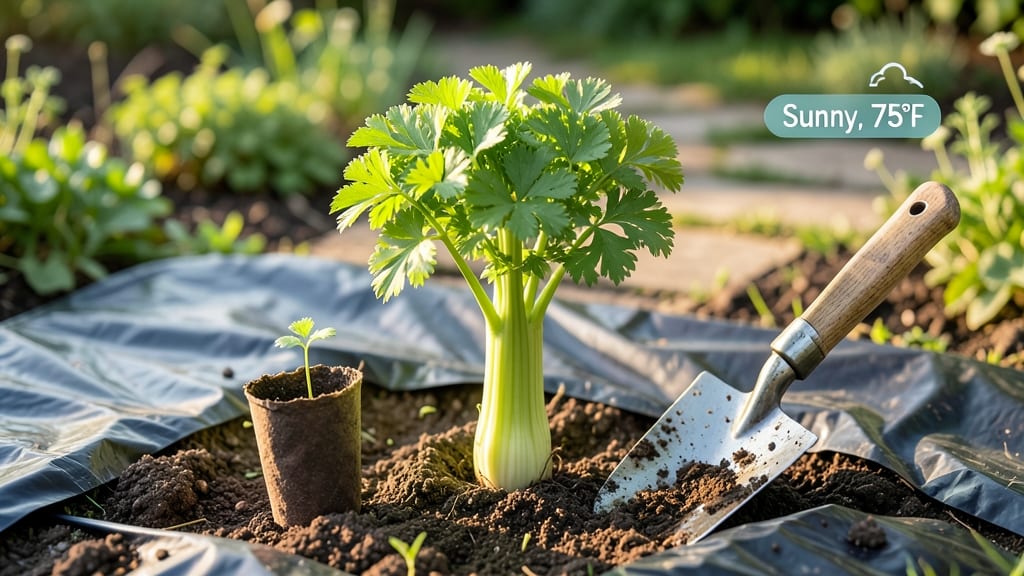
Timing your celery planting in Louisiana isn't just about the calendar—it's about dodging the state's brutal humidity and unpredictable weather. If you plant too early, you risk frost; too late, and your 🥬 stalks bolt before they mature.
The key? Two perfect windows: late winter for spring crops and early fall for a second harvest before the first frost.
Louisiana's 8a-9b climate gives you a narrow but workable range—late February to early March for spring plantings and August to early September for fall. These dates let you avoid the scorching summer heat while giving your celery enough time to establish strong roots before cooler weather sets in.
But here's the catch: Louisiana's steamy air and frequent rains can turn your celery into a soggy mess if you don't adjust your approach. The right timing isn't just about when to plant—it's about how to protect your crop from the region's unique challenges.
Let me show you how to maximize your yield with humidity-proof strategies that actually work.
Whether you're a seasoned gardener or just starting, these insights will help you grow crisp, disease-resistant celery that thrives despite the heat and moisture. Ready to turn your Louisiana garden into a celery powerhouse? Let's get started.
Optimal planting windows for celery in Louisiana’s climate zones
Louisiana’s 8a-9b climate zones create unique challenges for growing celery (🥬), but with the right timing, you can outsmart the heat and humidity. The key is planting during two distinct windows: late winter for spring crops and early fall for a second harvest.
These periods give your celery enough time to mature before extreme summer heat or winter frost sets in.
For spring plantings, aim to start seeds indoors 8-10 weeks before your last frost date (typically mid-March). This means late February to early March for most of Louisiana.
Transplant seedlings outdoors once soil temperatures reach 50°F, usually by mid-March. This timing ensures your celery gets 120-150 days of growth before summer’s oppressive heat arrives.
Your second chance comes in early fall. Plant seeds or seedlings August to early September to harvest before the first frost in late November. This window avoids the worst of summer’s heat while still providing enough daylight for robust growth.
In Zone 9b, you might even squeeze in a late fall harvest if you plant by mid-August.
Here’s the critical part: direct-sowing vs. transplanting. Louisiana’s short growing season means most gardeners start celery indoors or in a greenhouse 8-10 weeks before the last frost. However, if you’re in Zone 8a, you can try direct-sowing in late March for a faster but riskier harvest.
Just be prepared to protect young plants from late spring frosts.
Miss these windows, and you’ll face two major problems: bolting from heat stress or rot from excessive humidity. The good news? With the right timing, you can grow crisp, disease-resistant celery that thrives in Louisiana’s climate. Let’s break down the exact dates and strategies for each zone.
🌱 Louisiana Celery Planting Schedule by Zone
| Zone | Spring Planting Window | Fall Planting Window | Key Considerations |
|---|---|---|---|
| 8a (North LA) | Late Feb - Early Mar (indoors) / Mid-Mar (outdoors) | Early Aug - Mid-Aug | Shorter season; prioritize cold-hardy varieties |
| 8b (Central LA) | Late Feb - Early Mar (indoors) / Late Mar (outdoors) | Mid-Aug - Early Sep | Balanced season; ideal for two crops |
| 9a (South LA) | Early Mar - Mid-Mar (indoors) / Early Apr (outdoors) | Late Aug - Early Sep | Longer growing season; watch for summer bolting |
| 9b (Southeast LA) | Mid-Mar - Late Mar (indoors) / Late Mar (outdoors) | Early Sep - Mid-Sep | Extended season; possible late fall harvest |
💡 Pro Tip: Use row covers in spring to protect young plants from late frosts (common in Zone 8a).
Now that you’ve got your planting windows locked in, let’s talk about how to adjust for Louisiana’s humidity. The state’s high moisture levels can lead to rot, fungal diseases, and slug infestations if you don’t take precautions.
For example, direct-sowing in soggy soil will drown your seeds, while transplanting in peak summer risks heat stress. The solution? Raise your beds for better drainage and mulch heavily to keep roots cool and moist—but not waterlogged.
Another critical adjustment is shade cloth. During late spring and summer, temperatures can soar, causing celery to bolt prematurely. A 30-50% shade cloth can lower soil temperatures by 10-15°F, giving your plants the cool conditions they crave.
This is especially important in Zone 9b, where summer heat can turn your celery into bitter, seed-stalk monsters in weeks.
Finally, don’t overlook companion planting. Celery pairs well with bush beans, onions, and lettuce, which deter pests like aphids and slugs. Avoid planting near carrots or parsley, as they compete for nutrients and attract the same pests.
With these humidity-proof strategies, your celery will thrive even in Louisiana’s stickiest conditions.
Ready to pick the best celery varieties for your Louisiana garden? Stay tuned for our next section, where we’ll compare heat-tolerant varieties like ‘Tall Utah’ and ‘Golden Self-Blanching’—plus their qu
Optimal planting windows for celery in Louisiana’s climate zones
Louisiana’s 8a-9b climate zones create a unique challenge for growing celery—too early, and frost threatens tender seedlings; too late, and summer’s 90°F+ heat sends plants bolting. The sweet spot?
Two distinct planting windows: late winter for spring harvests and early fall for a second crop. Let’s break down the exact timing and methods for each.
For spring plantings, aim to start seeds indoors 8-10 weeks before your last frost date (typically mid-March). This means sowing around late January to early February.
Transplant seedlings outdoors once soil reaches 50°F, usually by late February to early March. This timing ensures mature stalks by May-June, before summer’s heat sets in.
Your second chance comes in fall. Plant seeds or seedlings August to early September for a harvest before the first frost (late November).
This window avoids summer’s extreme heat while giving plants enough time to establish before cooler weather arrives. Direct sowing works best in fall, as seedlings have less time to mature.
In Zone 8a (northern Louisiana), extend your spring window slightly later—early March—to avoid early frost risks.
For Zone 9b (southern Louisiana), you can push fall plantings to early October, but monitor weather closely. Humidity adaptation is key: choose partial shade in peak summer to prevent bolting while ensuring 6+ hours of sunlight daily.
Pro tip: Use row covers for early spring plantings to protect seedlings from unpredictable cold snaps. In fall, prioritize disease-resistant varieties like ‘Tall Utah’ to combat Louisiana’s fungal risks. With these windows, you’ll maximize your celery yield while minimizing climate-related setbacks.
Remember, soil temperature matters more than air temperature. Use a soil thermometer to confirm 50°F+ before transplanting—cold soil stunts root growth. Pair this with consistent moisture, and you’ll be harvesting crisp stalks in no time.