
Plants
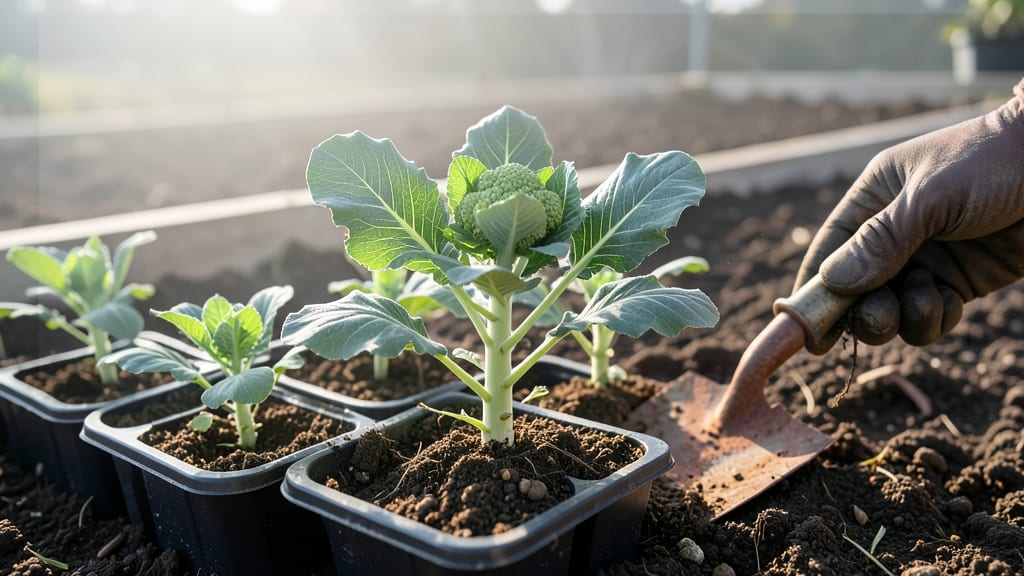
If you’ve ever stared at a seed packet for 🥬 cauliflower in Michigan and wondered, "When the heck should I actually plant this?"—you’re not alone.
Michigan’s fickle frost dates and short growing season mean timing is everything, and getting it wrong can leave you with either bolted plants or sad, stunted heads.
Here’s the good news: with the right schedule, you can grow plump, flavorful cauliflower twice a year—once in spring and again in fall. The key lies in understanding your local frost dates, soil temperatures, and the best varieties for Michigan’s 5b-6b climate.
Whether you’re starting seeds indoors or sowing directly into the garden, this guide cuts through the guesswork.
We’ll break down the exact planting windows for your region, from mid-April to early May for spring and late July to early August for fall.
Plus, I’ll share pro tips to extend your season with row covers and succession planting—because nobody wants to miss out on a harvest just because of a late frost.
Ready to grow cauliflower like a Michigan pro? Let’s dive into the frost dates, variety choices, and strategies that’ll keep your plants thriving from seed to table.
Michigan cauliflower planting dates by frost zone (2024 guide)
Michigan’s diverse frost zones mean your cauliflower planting schedule should vary from southern Lower Peninsula to northern Upper Peninsula.
The last spring frost typically arrives between late April in Detroit and early May in Traverse City, while the first fall frost hits as early as late September in the north and mid-October in the south.
For spring planting, aim to have transplant-ready seedlings in the ground 2-3 weeks after your last frost date.
This usually means starting seeds indoors by early March for southern Michigan and mid-March for northern regions. Fall planting should begin 8-10 weeks before your first frost date, with seeds sown indoors by mid-July.
Here’s how Michigan’s three main frost zones break down for cauliflower success:
| Zone | Last Spring Frost | First Fall Frost | Spring Planting Window | Fall Planting Window |
|---|---|---|---|---|
| Southern Lower Peninsula (Detroit, Kalamazoo) | Late April | Mid-October | Mid-April to early May | Late July to early August |
| Central Michigan (Lansing, Grand Rapids) | Early May | Early October | Early May to mid-May | Late July to mid-August |
| Northern Upper Peninsula (Marquette, Sault Ste. Marie) | Early May | Late September | Mid-May to early June | Early to mid-July |
Adjust these dates if you experience unusually early or late frosts. Check the Michigan State University Extension for real-time updates, as La Niña or El Niño years can shift frost dates by 1-2 weeks.
For example, in 2023’s cold snap, many gardeners in southern Michigan lost seedlings planted before May 10th.
Cauliflower thrives in cool temperatures (60-70°F), so summer heat after June 15th often causes bolting (premature flowering). This is why fall planting is critical—it avoids the July-August heatwave that plagues Michigan gardens.
If you’re in USDA Zone 5b, prioritize early-maturing varieties like ‘Snowball Y’ for spring and ‘Purple of Sicily’ for fall.
Soil temperature is just as critical as air temperature. Cauliflower roots struggle below 45°F or above 80°F. Use a soil thermometer to confirm 50°F+ soil before transplanting. In northern Michigan, this often means waiting until late May even if frost risk has passed.
Pro tip: If your spring frost date slips (like in 2021’s late May freeze), switch to cold-hardy varieties or delay planting until June 1st for a fall harvest. The trade-off? A shorter growing season, but still 60-70 days to maturity for fast varieties.
For fall planting, start seeds 8 weeks before your first frost date. In southern Michigan, this means early July sowing for a September-October harvest.
In northern regions, aim for late June sowing to avoid late August heat. Always use row covers to extend the season by 2-3 weeks.
Remember: Michigan’s short growing season demands precision. Miss the window by even 7 days, and you risk bolting, frost damage, or stunted growth. Plan ahead, and your cauliflower heads will be plump, firm, and ready for harvest—not wilted or frozen.
Best cauliflower varieties for Michigan’s climate & when to plant them
Choosing the right cauliflower varieties is half the battle in Michigan’s 5b-6b climate. Some varieties thrive in cool springs, while others handle summer’s heat better. For example, ‘Snowball Y Improver’ is a cold-hardy favorite that tolerates early springs, while ‘Purple of Sicily’ handles late-season heat better.
Let’s match your variety to Michigan’s two planting windows—spring and fall—for the best results.
Michigan’s short growing season (about 150-180 frost-free days) means you’ll want fast-maturing varieties like ‘Cheddar’ (60 days) or ‘White Rabbit’ (70 days). These work well for both spring and fall plantings.
If you’re in northern Michigan (Zone 5b), opt for early varieties to avoid late frosts, while southern Michigan (Zone 6b) gardeners can push later into the season with heat-tolerant picks.
🥬 Pro Tip: Always check your variety’s days to maturity and calculate backward from your average first frost date. For example, if your first frost is October 15 and you plant ‘Snowball Y’ (75 days), start seeds by July 20 to harvest before frost.
For northern Michigan gardeners, focus on early-maturing varieties like ‘Cheddar’ or ‘White Rabbit’ to avoid late frosts. In southern Michigan, you can experiment with ‘Purple of Sicily’ for a late-season harvest.
Always monitor soil temperatures—cauliflower thrives when soil is at least 50°F and won’t germinate well in cold, wet soil.
🌱 Variety-Specific Risk: If you plant ‘Snowball Y’ too late in spring, it may bolt before forming heads. Conversely, ‘Purple of Sicily’ planted in early spring will struggle with Michigan’s cool soils. Match your variety to your microclimate—urban areas may warm up faster than rural spots, so adjust accordingly.
Ready to pick your perfect variety? Grab a notebook, jot down your last frost date, and calculate your planting window using the chart above. Next, we’ll dive into pro tips to extend Michigan’s growing season even further—because why limit yourself to just two harvests a year?