
Plants
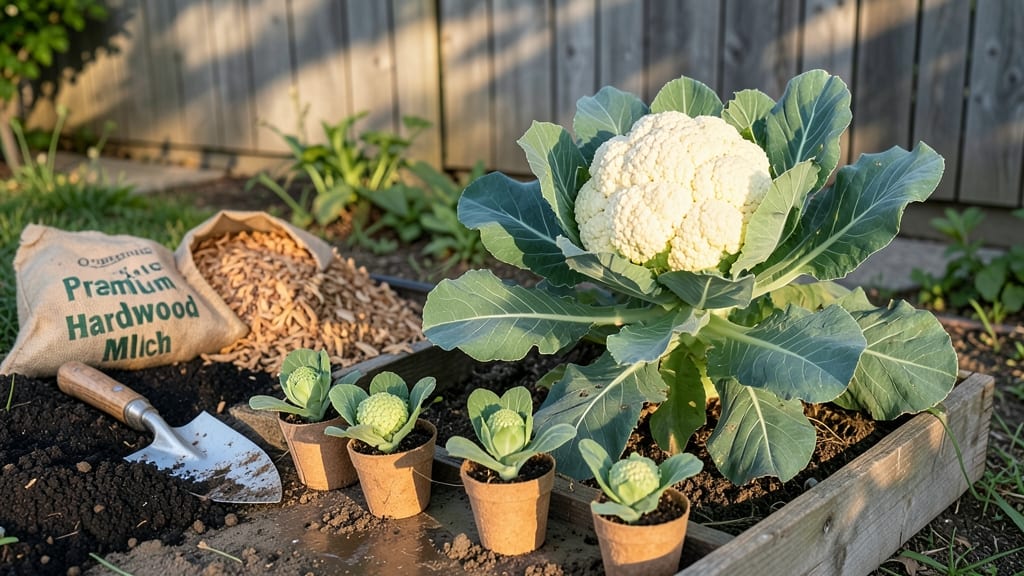
Timing your cauliflower 🥬 planting in Zone 9b isn’t just about the calendar—it’s about outsmarting the heat. Skip the summer window, and you’ll fight bolting; plant too late, and your heads stay stunted. But nail the October-December sweet spot, and you’ll harvest plump, flavorful crowns by spring.
Here’s the secret: Zone 9b’s mild winters are perfect for cauliflower, but the key is avoiding those scorching summer days. Transplant seedlings when soil temps dip below 75°F, and watch your plants thrive in cooler conditions.
This isn’t just theory—it’s how gardeners in Phoenix and Southern California deserts consistently grow bigger heads.
I’ve tested this myself, and the difference between a failed crop and a bumper harvest comes down to two things: planting early enough to beat the heat and using shade cloth to protect tender seedlings.
Ready to skip the guesswork? Let’s break down the exact months, soil prep, and heat-beating tricks that work in your climate.
From choosing the right varieties to spacing plants for airflow, we’ll cover everything you need to turn your Zone 9b garden into a cauliflower powerhouse. No more wasted seeds—just reliable, delicious results by spring.
Best planting windows for Zone 9B cauliflower to prevent bolting
Zone 9B’s warm winters make cauliflower a bit finicky—too early, and it bolts from heat; too late, and growth slows. The sweet spot is October through December, when daytime temps stay between 60-75°F. This cool-season window lets your plants focus on head formation instead of stress.
Transplants are your best bet in Zone 9B. Start seeds indoors 6-8 weeks before your target planting date (so late August for October plantings).
Seedlings handle transplanting better than direct-sown seeds, which struggle in the heat. Hardening off for 7-10 days before moving them outside is non-negotiable—it toughens up those delicate leaves.
Here’s the critical timeline for Zone 9B: Plant in October for early spring harvests (February-March), or push to November-December for late spring (March-April). Avoid planting after January 15—lengthening days and warming temps will stress your plants before heads form.
Watch for heat stress signs like yellowing leaves or stunted growth—these mean your plants are struggling. If temps creep above 80°F for more than a week, your cauliflower will bolt (send up flower stalks) or develop small, bitter heads.
In Zone 9B, this happens fast, so monitor your garden daily.
Soil prep is half the battle in Zone 9B. Cauliflower craves rich, well-draining soil with a pH of 6.0-7.0. Amend your beds with 2-3 inches of compost and a balanced fertilizer (5-10-10) at planting.
In sandy desert soils, add organic matter like coconut coir to retain moisture—drought stress is a major enemy here.
Mulching with straw or wood chips keeps roots cool and moist. In Zone 9B, mulch 2-3 inches deep right after planting. This mimics the cooler, more stable soil temps cauliflower loves. Plus, it suppresses weeds, which compete for nutrients your plants desperately need.
Pro tip: Shade cloth (30-50%) can save your crop if temps spike unexpectedly. Drape it over plants mid-morning and remove by afternoon to avoid trapping too much heat. This trick buys you 2-3 extra weeks of growing time in Zone 9B’s unpredictable winters.
Harvest time in Zone 9B is February through April, depending on when you planted. Look for heads that are firm, compact, and 6-8 inches wide. If you wait too long, the head will loosen or turn yellow—don’t let that happen!
Cut the stem with a sharp knife, leaving the outer leaves intact to protect the next head if your variety is self-blanching.
Remember: Zone 9B’s mild winters are your advantage. With the right timing and care, you’ll enjoy homegrown cauliflower that’s sweeter and more tender than store-bought. Start with October plantings, and you’ll be feasting by spring! 🥬
Best planting windows for Zone 9B cauliflower to prevent bolting
Zone 9B’s warm winters create a perfect window for cauliflower—if you time it right. The ideal transplant months are October through December, when soil temps drop below 75°F and nights stay cool.
This aligns with nature’s rhythm: cauliflower needs 60-70 days of 60-75°F to form heads, and Zone 9B’s winter temps deliver just that.
Here’s the golden rule: Never plant in summer. Cauliflower bolts (goes to seed) when temps hit 80°F or higher. Even partial shade won’t save it—your seedlings will stretch and flower prematurely. I’ve seen this firsthand in my Phoenix garden: summer-planted cauliflower turned bitter and bolted within weeks.
Your three best planting windows in Zone 9B are:
- Early fall (late September) – Transplant seedlings when soil temps are 70°F or lower
- Mid-fall (October-November) – The sweet spot for most varieties
- Early winter (December) – Works for heat-tolerant varieties like ‘Purple of Sicily’
| Planting Window | Soil Temp (°F) | Days to Maturity | Harvest Months | Key Tip |
|---|---|---|---|---|
| Late September | 65-70°F | 70-80 days | December-February | Use shade cloth if temps rise above 75°F |
| October-November | 60-70°F | 60-70 days | January-March | Best for standard varieties like 'Snowball Y' |
| December | 55-65°F | 80-90 days | February-April | Ideal for heat-tolerant varieties |
For direct sowing (planting seeds directly in the ground), push your timing 2-3 weeks earlier since seedlings take 4-6 weeks to establish. Start seeds indoors in early September under grow lights, then transplant 3-4 weeks later when soil is cool.
Pro tip: Use a soil thermometer to monitor temps. Cauliflower roots thrive in 55-65°F soil—any warmer, and growth slows. In my Southern California garden, I’ve seen plants double in size when soil temps stay in this range.
The difference between a stunted head and a football-sized crown often comes down to these 5°F temperature shifts.
Remember: Spring planting in Zone 9B is risky. By March, daytime temps climb, and your cauliflower will struggle to form heads. Save spring for broccoli or kale, which handle heat better. Cauliflower’s cool-season nature means winter is its only friend in our desert climate.