
Plants
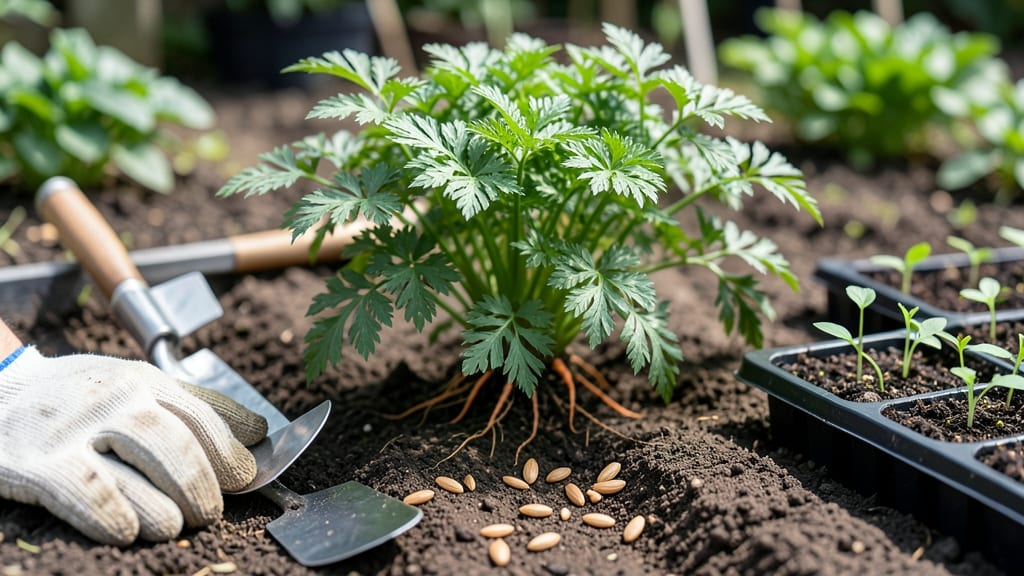
If you've ever wondered when to plant carrots in the fall, timing is the secret to unlocking those sweet, crisp roots we all crave. The key lies in understanding your local frost dates and soil conditions—because planting too early can send your 🥕 bolting before they even get started.
For most gardeners in USDA Zone 6a, the sweet spot is 4-6 weeks before your first frost, typically landing in late August or early September.
This window ensures your carrots have enough time to mature before winter sets in, giving you a harvest just as the weather turns crisp and cool.
But here's the catch: soil temperature matters just as much as calendar dates. Carrots thrive when the ground stays between 45°F and 75°F—too cold, and germination slows; too hot, and they bolt.
I'll show you how to check your soil and adjust your planting schedule for perfect results every time.
Ready to grow carrots that are sweeter and more flavorful than store-bought? Let's dive into the exact steps to time your fall planting like a pro—so you can enjoy a steady harvest from October through November.
Ideal soil temperature ranges for fall carrot planting
Getting your soil temperature right is the secret to growing sweet, crisp fall carrots. Unlike spring planting, fall offers a narrower window where conditions are just right—45°F to 75°F is your target range.
Below 45°F, seeds may rot; above 75°F, they’ll bolt before winter sets in. Let’s break down how to hit this sweet spot in your region.
Carrot seeds need consistent warmth to germinate, but the roots develop best when days cool down. Think of it like Goldilocks: not too hot, not too cold, but just right.
In northern climates, this means planting 4-6 weeks before your first frost date, while southern gardeners can push it slightly later. The key is understanding your local frost dates and soil behavior.
Here’s the science: Carrots germinate best at 60°F-70°F soil temperatures. If your soil is too cold, seeds may take 3-4 weeks to sprout—or not at all. Too warm, and you’ll trigger bolting (premature flowering), ruining your harvest.
Use a soil thermometer to check temperatures at planting depth (about 1 inch down). If it’s below 50°F, wait a few days or use black plastic mulch to warm the soil faster.
Regional adjustments matter. In USDA Zones 3-5, aim for late August planting—soil temps are still warm enough for germination, but days are cooling. Gardeners in Zones 6-8 can plant through early October, while Zones 9-10 might even squeeze in a late-October planting if nights stay above 40°F.
The goal is to give carrots 60-80 days to mature before hard frost hits.
| Stage | Soil Temp (°F) | Action | Notes |
|---|---|---|---|
| Germination | 60-70°F | Plant seeds | Use black plastic mulch if soil is <50°F |
| Root Development | 55-65°F | Thin seedlings | Keep soil moist; avoid waterlogging |
| Mature Growth | 45-55°F | Harvest before frost | Roots sweeten in cooler temps |
| Frost Risk | Below 32°F | Cover crops | Use row covers or mulch |
Northern gardeners in Zones 3-5 should focus on late August planting to avoid bolting. By this time, daytime highs are still warm enough for germination, but nights are cooling—perfect for root development.
In Zones 6-8, you’ve got flexibility: plant in early September for a late-October harvest or early October for a November crop (if frost isn’t imminent). Southern gardeners in Zones 9-10 can even try late October plantings, but monitor nighttime temps closely.
Pro tip: If your soil is too cold for seeds to germinate, try warm-starting them indoors. Sow seeds in biodegradable pots and transplant them once soil temps hit 55°F.
This trick works wonders in cooler climates where early fall soil is still sluggish. Just be sure to harden off seedlings for 5-7 days before moving them outdoors.
Soil moisture plays a hidden role in temperature regulation. Dry soil heats up faster in sunlight, while moist soil stays cooler longer. Aim for consistent moisture (about 1 inch per week) to keep soil temps stable.
Mulching with straw or leaves also helps insulate roots from temperature swings. Think of mulch as a cozy blanket for your carrots—it keeps them warm at night and cool during hot afternoons.
One common mistake? Planting too close to frost dates. Even if your carrots look ready, a hard freeze will turn them mushy. Always check your local frost dates (use the Old Farmer’s Almanac or NOAA for your area) and count backward.
Carrots need 60-80 days to mature, so adjust your planting date accordingly. For example, if your first frost is November 15, plant by early October in most regions.
For extra insurance, choose cold-hardy varieties like ‘Danvers Half Long’ or ‘Nantes’. These types tolerate cooler soils better than delicate heirlooms. Pair them with companion plants like leeks or onions, which deter pests and help regulate soil temperature.
With the right timing and a little attention to soil temps, your fall carrots will be the sweetest, crispest of the season.
Ideal soil temperature ranges for fall carrot planting
Carrots are cool-season crops, meaning they thrive when temperatures dip—but not too much. The sweet spot for fall planting is when soil temperatures hover between 45°F and 75°F. Below 45°F, germination slows dramatically, while above 75°F, your 🥕 may bolt (flower prematurely) before maturing.
In most regions, this window aligns with late summer to early fall. For example, in USDA Zone 6a, aim to plant when daytime highs are around 70°F and nighttime lows drop to 50°F. Use a soil thermometer to check—it’s the only way to get precise readings without guessing.
Northern climates (Zones 3-5) can plant earlier, as cooler soils are normal. Southern zones (7-10) may need to start in mid-August to avoid heat stress. Pro tip: If your soil is too hot, wait 1-2 weeks or use shade cloth to lower ground temps by 10-15°F.
| Stage | Soil Temp (°F) | Action |
|---|---|---|
| Germination | 45-75°F | Plant seeds when soil reaches 50°F+ |
| Root Growth | 50-70°F | Ideal for crisp, sweet roots |
| Bolting Risk | Above 75°F | Use shade cloth or delay planting |
| Frost Tolerance | Down to 20°F | Mature roots survive light frost |
Soil temperature isn’t just about planting—it’s also about harvest timing. Carrots grown in cooler fall soils develop higher sugar content and a sweeter flavor. To maximize this, aim to harvest when daytime temps are between 50°F and 60°F.
This usually falls in October or November, depending on your zone.
One common mistake? Assuming "fall" means October. In reality, late August or September is often the best time to start seeds, giving roots 60-80 days to mature before frost. Use a frost date calculator (like the Old Farmer’s Almanac) to reverse-engineer your planting window.
For container gardeners, soil warms faster in pots. Monitor temps closely—if your soil hits 80°F+, switch to a shadier spot or use black plastic mulch to keep roots cool. The goal? Keep those temps steady in the 50°F-70°F range for the best results.