
Plants
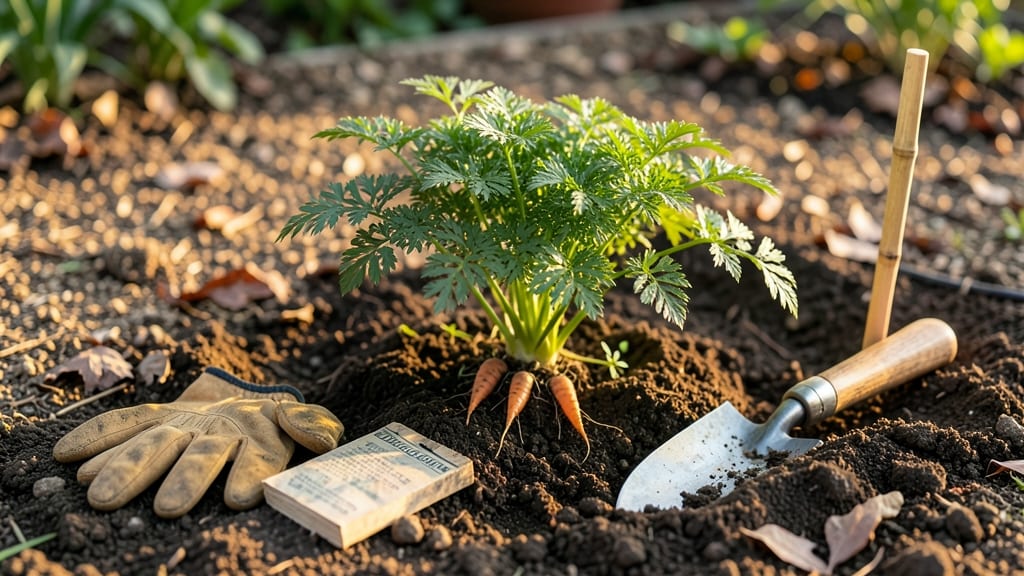
When to plant carrot seeds in Zone 7 is the key to unlocking sweet, crisp harvests—timing makes all the difference between success and disappointment. Plant too early, and you risk bolting from cool soil; too late, and frost steals your roots before they mature. The secret lies in two perfect windows: early spring and late summer.
Most gardeners in Zone 7 swear by March to April for spring plantings, when soil warms to 50°F but before summer's heat triggers flowering. But don't stop there—August to September offers a second chance for fall harvests, provided you beat the first frost by 60 days.
I'll walk you through exactly when to drop those seeds, how deep to plant them, and the spacing tricks that prevent overcrowded, stunted 🥕. Plus, I'll share my favorite bolt-resistant varieties that thrive in Zone 7's climate.
Ready to grow carrots that outshine the grocery store? Let's dive into the planting schedule that guarantees success—no guesswork, just great roots.
Zone 7 carrot planting timeline to avoid bolting and frost damage
Timing is everything when growing carrots in Zone 7. Plant too early, and you risk bolting (premature flowering) from cold snaps. Plant too late, and your harvest suffers from fall frosts.
My Zone 7 garden thrives when I follow two key planting windows: early spring (March-April) and late summer (August-September). These windows balance soil warmth and daylight length to prevent bolting while maximizing root development.
Carrots need consistent soil temperatures above 50°F (10°C) to germinate properly. In Zone 7, this typically happens after our last frost date (usually mid-April). However, I often start seeds indoors 4-6 weeks before the last frost to get a jumpstart.
For fall harvests, aim to plant seeds by early September so roots mature before first frost (mid-October in most of Zone 7).
Here’s the critical timeline I follow for bolt-resistant carrots in my Zone 7 garden, including soil prep and frost protection tips:
For spring plantings, I always test soil temperature with a soil thermometer. If it’s below 50°F (10°C), I wait—cold soil delays germination and invites rot.
In my Zone 7b garden, I’ve found that March 15th is my magic date for direct sowing, but I adjust based on weather patterns. For example, if we get an unexpected cold snap in April, I cover seedlings with frost cloth to protect tender leaves.
One common mistake I see is planting carrot seeds too deeply. They need light to germinate, so only cover them with ¼ inch of soil. I also recommend loosening soil with a garden fork before planting to prevent forked roots.
In Zone 7, our clay-heavy soil can compact easily, so I add compost to improve drainage. This is especially critical for longer varieties like Danvers, which need deep, loose soil to grow straight.
If you’re new to carrot growing, start with short-season varieties like 'Early Nantes' for spring or 'Paris Market' for fall. These mature in 60-70 days, giving you a reliable harvest before Zone 7’s summer heat or fall frosts set in.
I’ve also had success with succession planting—sowing new seeds every 2 weeks in spring and 3 weeks in fall—to ensure a steady supply of fresh carrots.
Remember, bolting is your biggest enemy in Zone 7. Carrots bolt when exposed to long daylight hours (>14 hours) or temperature swings. To prevent this, I always plant shade-tolerant varieties and use 30% shade cloth during peak summer if extending the season.
For fall plantings, focus on varieties that mature before daylight shortens in late September.
Pro tip: Mark your planting dates on a garden calendar and track soil temperatures weekly. In my experience, Zone 7 gardeners who plant in March and August consistently get the best yields. With the right timing, you’ll enjoy crisp, sweet carrots from May through November!
Zone 7 carrot planting timeline to avoid bolting and frost damage
Timing is everything when growing carrots in Zone 7, where last frost dates and soil temperatures dictate success. Plant too early, and cold soil triggers bolting (flowering), ruining your harvest.
Too late, and fall frosts cut your season short. The sweet spot? Two distinct windows: early spring and late summer.
For spring plantings, aim for mid-March to early April when soil reaches 50°F—warm enough for germination but cool enough to prevent bolting. In Zone 7, this aligns with 10-14 days after the last frost, typically around mid-April.
Fall plantings should start 8-10 weeks before your first frost (usually late August to mid-September), giving roots time to mature before temperatures drop.
Soil temperature is your best guide: use a soil thermometer to confirm 50-60°F for spring and 60-70°F for fall. If soil is cooler, wait—cold soil slows germination and increases bolting risk. Pro tip: Loosen soil 12 inches deep before planting to prevent forked roots.
| Planting Window | Soil Temp | Last Frost Risk | Harvest Window |
|---|---|---|---|
| Mid-March to Early April | 50-60°F | Low (post-frost) | May-June |
| Late August to Mid-September | 60-70°F | None (early planting) | October-November |
| Early September (succession) | 60-65°F | Moderate (late Sept) | October |
Zone 7 gardeners often miss the fall window because they focus only on spring. But August plantings yield crisp roots just in time for holiday meals! For a continuous harvest, try succession planting every 2-3 weeks in spring and every 4 weeks in fall.
Just remember: carrots need 60-80 days to mature, so time your last planting to finish before frost.
If you live in Zone 7a (colder end), push spring plantings to late March and fall plantings to early August. For Zone 7b (warmer), you can start as early as February with row covers and extend fall to late September.
Always check your local frost dates—they vary even within the same zone!
One final tip: Shade cloth (30-50%) helps during hot summer months if you must plant in July. It keeps soil cooler and reduces bolting. Now that you’ve got the timeline, it’s time to prep that soil—loose, stone-free, and well-drained is non-negotiable for straight, sweet carrots!