
Plants
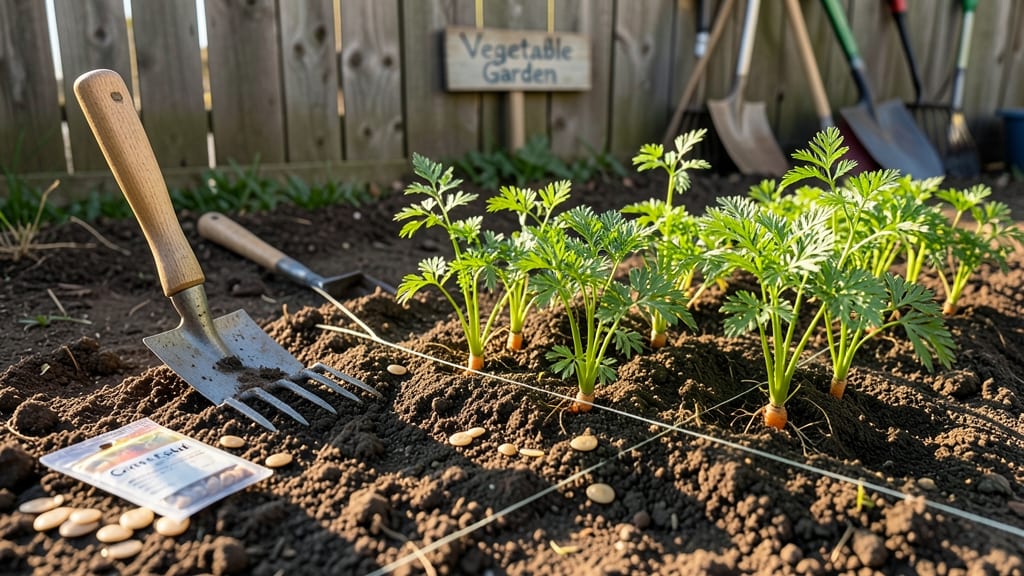
If you've ever planted 🥕 carrots in Texas only to watch them bolt in the heat or rot in the rain, you know timing is everything.
The perfect planting window shifts dramatically from the Panhandle to South Texas, where a 30-day difference can mean the difference between a bountiful harvest and a bitter disappointment.
Most gardeners assume "fall planting" means September, but in USDA zones 8a-10a, your exact location determines whether you should be sowing seeds in late August for winter harvests or waiting until November to avoid summer's scorching temperatures.
I'll break down the microclimate secrets that keep your carrots crisp and sweet—no matter where you garden in the Lone Star State.
What you'll discover is that Texas' diverse climate isn't just about months—it's about soil temperatures, daylight hours, and even your yard's shade patterns.
We'll cover the ideal planting calendar for your region, plus pro tips to extend your harvest from October through May without a single bolt in sight.
Ready to grow carrots that stay sweet and straight? Let's dive into the exact timing that works for your corner of Texas—because when it comes to 🥕 carrots, getting the schedule right is the key to garden success.
Texas carrot planting zones by month: avoiding bolting in hot climates
Texas' vast geography means North Texas and the Panhandle face early frosts by November 15, while South Texas stays warm until January 1. This creates a 6-week planting window difference for carrots—critical for avoiding bolting (premature flowering) or woody roots.
I’ve broken down the optimal planting months by region to ensure your carrots grow sweet, not bitter.
Carrots thrive in cool-season temperatures (50°F–75°F), but Texas summers push them into heat stress. The key is planting when daytime temps stay below 80°F and soil temps are 60°F–70°F.
In North Texas (Zones 7b–8a), aim for September–October and February–March plantings, while South Texas (Zones 9a–10a) can extend into November and January.
🌱 Pro Tip: Use a soil thermometer to confirm temps before planting. Carrot seeds need 60°F soil to germinate—any cooler, and they rot; any hotter, and they bolt.
| Texas Region | USDA Zone | Best Planting Window | Soil Temp Goal | Harvest Window |
|---|---|---|---|---|
| North Texas (Panhandle) | 7b–8a | Late Aug–Sept Feb–March |
60°F–70°F | Oct–Dec April–May |
| Central Texas (Austin/San Antonio) | 8a–8b | Sept–Oct Jan–Feb |
60°F–70°F | Nov–Jan March–April |
| South Texas (Houston/Corpus Christi) | 9a–9b | Sept–Nov Jan |
65°F–75°F | Oct–Dec Feb–March |
| Hill Country (San Angelo) | 8a | Late Aug–Sept Feb |
60°F–70°F | Oct–Nov April |
🌡️ Note: Soil temps vary by depth—check 1 inch deep for accurate readings.
For continuous harvests, I recommend succession planting every 2–3 weeks during your region’s optimal window. For example, in Central Texas, plant Sept 1, Sept 15, Oct 1, and Jan 15 to enjoy carrots from November through April.
This staggered approach prevents glut and ensures fresh roots when others bolt.
Texas’ clay-heavy soils in East Texas or sandy soils in West Texas also affect timing. Amend your soil with compost or sand (1:1 ratio) to improve drainage—waterlogged roots split or rot. In West Texas, where water is scarce, drip irrigation keeps soil evenly moist without stressing plants.
If you’re in Zone 10a (Rio Grande Valley), you can even try summer carrots with shade cloth (30–50%) and daily watering. Plant short-day varieties like 'Paris Market' in June–July for a fall harvest before the real heat sets in.
Remember: Carrots hate competition. Thin seedlings to 2–3 inches apart when they’re 2 inches tall—crowded roots grow forked or stunted. Use a hand trowel to avoid damaging nearby plants.
For bolt-resistant varieties, try 'Danvers Half Long' or 'Nantes'—both handle Texas’ warm winters
Texas carrot planting zones by month: avoiding bolting in hot climates
Texas' climate isn't one-size-fits-all, and neither are carrot planting times. The Panhandle's chill allows earlier sowing than South Texas' heat, where even September can trigger bolting. Let's break down the optimal planting windows by region to ensure your carrots stay sweet and straight—not bitter and bolted.
I've gardened in North Texas' rocky soil and South Texas' sandy loam, and the difference in timing is night-and-day. In cooler zones like Lubbock (USDA 8a), you can start as early as late August for a fall harvest, while in Houston (USDA 9a), waiting until October prevents heat stress.
Here's your region-specific roadmap:
| Region | USDA Zone | Fall Planting Window | Winter Planting Window | Spring Planting Window | Key Tip |
|---|---|---|---|---|---|
| North Texas (Panhandle) | 8a | Late August - Early October | January - Early March | None (too hot) | Use row covers in winter |
| Central Texas (Austin) | 8b | Mid-September - Late October | February - Mid-March | None (risk of bolting) | Choose 'Danvers' variety |
| Hill Country (San Antonio) | 8b-9a | Late September - November | February - Early April | None (heat intolerant) | Plant in partial shade |
| East Texas (Tyler) | 8a-8b | Mid-September - Late October | January - Mid-March | None (humidity risk) | Raise beds for drainage |
| South Texas (Houston) | 9a-10a | October - November | February - March | None (extreme heat) | Use shade cloth in summer |
Notice how South Texas waits until October while North Texas starts in August? That 6-week difference prevents bolting in the heat. The key is monitoring soil temperatures—carrots need 60-70°F soil to germinate, and anything above 80°F stresses them. Use a soil thermometer to check before planting.
For continuous harvests, I recommend succession planting every 2-3 weeks during your region's window. For example, in Central Texas, sow seeds on September 15, October 1, and October 15 to enjoy carrots from November through April. This staggered approach ensures you're always harvesting fresh, crisp roots.
One Texas-specific challenge is our clay-heavy soils in North and East Texas. To prevent forked carrots, mix in 2-3 inches of compost before planting. In sandy South Texas soils, add organic matter like peat moss to retain moisture. Both adjustments improve root development dramatically.
Remember: Daylight hours matter too. Carrots need 12-14 hours of daylight to grow properly. In Texas, this means avoiding spring plantings after March 15, when longer days trigger bolting. Stick to the fall-winter window**, and you'll enjoy sweet, straight carrots all season long.