
Companion Plants
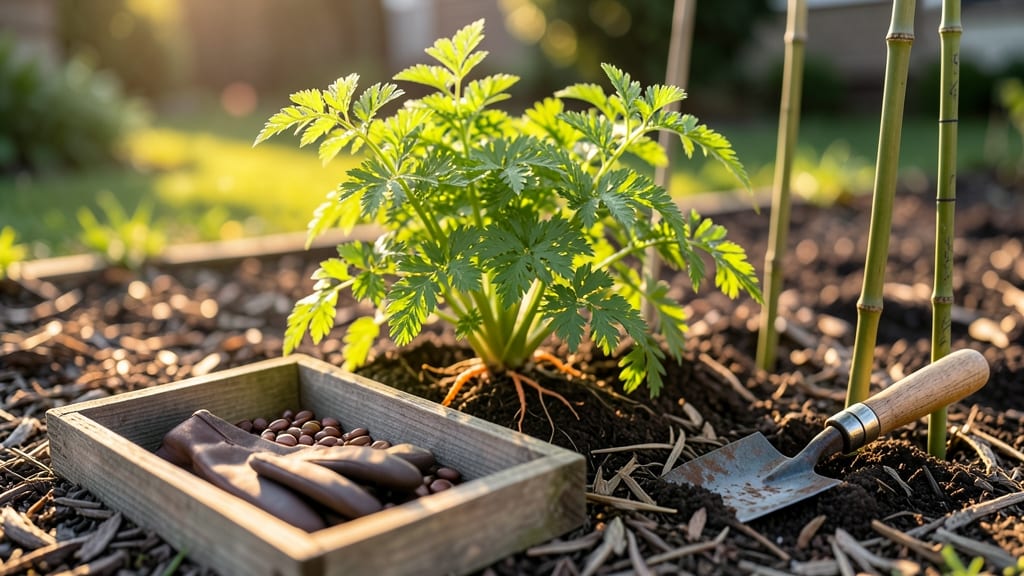
Figuring out when to plant carrots in Zone 6 can feel like solving a puzzle—get the timing wrong, and you might end up with bitter, stunted 🥕 or worse, no harvest at all.
The key isn’t just picking a month; it’s about soil temperature, frost dates, and avoiding the brutal summer heat that turns your garden into a carrot wasteland.
In Zone 6 (6a-6b), your best bets are early spring—2–3 weeks before your last frost date—or late summer when temperatures start to dip. Planting too early risks bolting (those bitter-tasting flowers), while waiting too long means roots won’t mature before fall frost.
Let’s break down the exact windows and soil rules to guarantee sweet, crisp carrots all season.
You’ll learn how to calculate your ideal planting dates using USDA zone maps, when to use row covers for extra protection, and how succession planting can stretch your harvest from June through October. No more guessing—just a foolproof timeline tailored to your Zone 6 garden.
Whether you’re a first-time grower or a seasoned gardener, these tips will help you skip the common mistakes (like compacted soil or overcrowding) and enjoy a harvest that rivals the grocery store—without the price tag. Ready to dig in?
Zone 6 carrot planting timeline: frost dates & soil temperature rules
Timing your carrot planting in Zone 6 hinges on two critical factors: soil temperature and frost-free dates. Carrots thrive when soil stays between 45°F and 85°F—too cold, and seeds rot; too hot, and they bolt.
In Zone 6, the average last frost date falls around April 15, while the first frost arrives October 15, giving you a 165-day growing window.
For spring planting, aim to sow seeds 2–3 weeks before your last frost date. This means starting in early March (or late February for early varieties). For fall planting, seed carrots 8–10 weeks before the first frost, landing you in late July or early August.
This two-season strategy maximizes your harvest potential.
Here’s the key: Soil temperature must reach at least 45°F for seeds to germinate. Use a soil thermometer to confirm—cold, wet soil in early spring can delay germination for weeks. If your soil is still chilly, opt for cold-hardy varieties like 'Chantenay' or 'Paris Market' to shave off precious days.
Pro tip: Adjust for microclimates. Areas near large bodies of water or with afternoon shade may stay cooler longer, pushing your planting window 1–2 weeks later.
Conversely, south-facing beds warm up faster, letting you plant 10–14 days earlier. Always check your local USDA Zone 6 map for precise adjustments.
Now, let’s break down the ideal planting windows and soil conditions for Zone 6 carrots in a clear, actionable format:
| Planting Window | Soil Temp Requirement | Zone 6 Timeline | Notes |
|---|---|---|---|
| Early Spring | 45–60°F | Late February–Early April | Use row covers if frost threatens. |
| Late Summer | 60–85°F | Late July–Early August | Choose shorter-day varieties to delay bolting. |
| Succession Planting | 45–70°F | Every 2–3 weeks (March–July) | Ensures continuous harvest. |
If you’re planting in early spring, prioritize quick-germinating varieties like 'Early Nantes' or 'Danvers Half Long'. These types sprout in 7–10 days at 60°F soil, giving you a head start.
For fall planting, opt for bolting-resistant types such as 'Rainbow' or 'Solar Yellow' to avoid the rush to maturity before frost.
One common mistake? Planting too early when soil is still cold and wet. This leads to rotten seeds or slow germination. To test readiness, press your finger into the soil—if it feels like a squeeze toy (too damp), wait a week.
If it crumbles easily, it’s time to plant. Always loosen soil to 12 inches deep before seeding to prevent forked roots.
For succession planting, sow seeds every 2–3 weeks from March through July. This staggered approach ensures a steady harvest instead of one overwhelming batch. Just remember: Never let soil dry out during germination—keep it consistently moist until seedlings emerge.
Finally, monitor your local weather forecasts for unexpected late frosts. If a hard freeze is predicted, throw a lightweight row cover over seedlings to protect them. With these timing rules and soil prep tips, you’ll be well on your way to a bountiful carrot harvest in Zone 6.
Zone 6 carrot planting timeline: frost dates & soil temperature rules
Carrots thrive in Zone 6 when planted during two key windows: early spring (March–April) and late summer (July–August). The secret? Soil temperatures between 45–85°F—too cold and seeds won’t germinate; too hot and they bolt (flower prematurely).
Most Zone 6 gardeners face a last frost date around April 15 and a first frost around October 15, leaving just 165 frost-free days to grow a full harvest.
For spring plantings, aim to sow seeds 2–3 weeks before your last frost—typically late March to early April. Late summer plantings should go in mid-July to early August to mature before fall’s chill.
Use a soil thermometer to confirm temps: 45°F minimum for germination and below 85°F to prevent bolting. Pro tip: Shade cloth can help if summer temps spike above 80°F.
| Stage | Action | Soil Temp (°F) | Zone 6 Timeline |
|---|---|---|---|
| Spring Planting | Sow seeds | 45–65°F | Late March–Early April |
| Summer Protection | Use shade cloth | Above 85°F | June–July |
| Late Summer Planting | Sow seeds | 60–80°F | Mid-July–Early August |
| Harvest Window | Pull roots | N/A | June–October |
Choose early-maturing varieties (50–60 days) for spring and mid-season types (60–70 days) for fall. Examples: ‘Nantes’ (spring) or ‘Danvers’ (fall). Avoid long-season varieties like ‘Chantenay’ in Zone 6—they won’t finish before frost.
Always check your USDA Zone 6a/6b map for local frost variations (e.g., higher elevations may have later last frosts).
For extra insurance, plant succession crops every 2 weeks in spring and again in late summer. This stretches your harvest from June through October and reduces bolting risks. Thin seedlings to 2–3 inches apart once they’re 2 inches tall—crowding leads to forked roots and poor flavor.
Mulch with straw to retain moisture and keep soil temps stable.
Skip planting in May or September unless you’re using row covers—these months often bring erratic temps that confuse carrot growth. Instead, focus on your two prime windows: spring’s cool soil and summer’s gradual cooling.
With this timeline, you’ll avoid the #1 Zone 6 carrot killer: bolting from heat stress or frost damage.
Pro move: Mark your calendar for June 15 (peak spring harvest) and September 1 (fall harvest prep). These dates align with Zone 6’s sweet spot for crisp, sweet carrots—just in time for fall recipes and winter storage. Now you’re ready to dig in with confidence!