
Plants
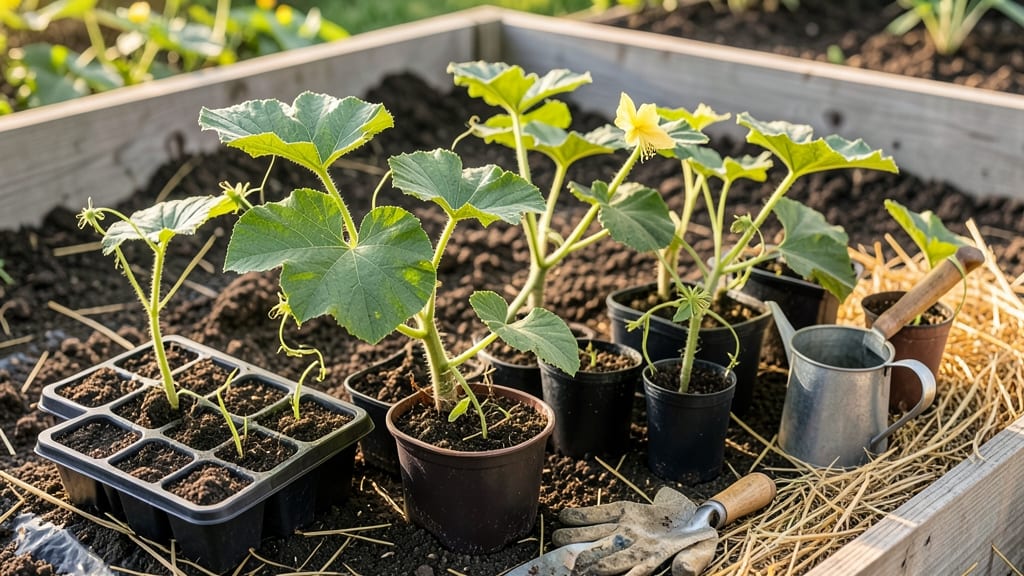
Planting cantaloupe in Zone 9b’s scorching summers can feel like a gamble—but the key to sweet success lies in timing. The right window means the difference between thriving vines and wilted dreams, especially when you’re dealing with 100°F+ temperatures that can stress even the hardiest plants.
For gardeners in Phoenix or the Southern California desert, the secret is planting late winter to early spring (February–March) when soil finally warms to 70°F+. This gives your 🍉 cantaloupes a head start before the brutal summer heat peaks, ensuring they focus on fruiting instead of just surviving.
I’ve learned that black plastic mulch and strategic shade can make all the difference in Zone 9b’s climate. These tricks help retain moisture and keep roots cool, so your plants stay productive even when the air feels like an oven.
Ready to grow cantaloupes that actually ripen? Let’s break down the exact steps—from soil prep to heat management—so you can enjoy homegrown sweetness by May or June.
Optimal planting timeline for cantaloupe in Zone 9b
Zone 9b’s year-round warmth means cantaloupe thrives best when planted during cooler transitional months, avoiding peak summer heat. The ideal window spans February through April, with March being the sweet spot for most gardeners in Phoenix or Southern California deserts.
Unlike northern climates, you skip frost concerns entirely in Zone 9b. Instead, focus on soil temperature—wait until the ground reaches 70°F+ at least 6 inches deep. A soil thermometer is your best friend here to avoid stunted growth from cold soil.
For extended harvests, some gardeners plant a second batch in late April, but this requires extra care like shade cloth and daily watering to prevent heat stress during summer’s peak.
🌱
📅 Zone 9b Cantaloupe Planting Summary
| Stage | Action | Key Notes |
|---|---|---|
| Soil Prep | February | Amend soil with compost; test pH (6.5-7.0) |
| Direct Sow | Mid-February to March | After soil hits 70°F; use black plastic mulch |
| Transplant | March-April | Seedlings from nursery; harden off first |
| Second Planting | Late April | For fall harvest; needs shade cloth |
| Harvest Window | May-July | 75-90 days after planting; check rind color |
💡 Pro Tip: Use a minimum thermometer to track soil temps—critical for Zone 9b success!
If you’re starting seeds indoors, begin 8-10 weeks before your target outdoor planting date. Zone 9b gardeners often start seeds in January for early March transitions, using grow lights to supplement weak winter sun.
For container growing, plant in 5-gallon pots with drainage holes—these warm up faster than in-ground soil. Place containers on black plastic to absorb and retain heat during the day.
One common mistake in Zone 9b is planting too early when soil is still cool. Cold soil delays germination and makes seedlings prone to disease. Always monitor soil temps rather than relying on calendar dates.
🌿
Optimal planting timeline for cantaloupe in Zone 9b
In Zone 9b, the perfect window for planting cantaloupe is late February to early March, when soil temperatures finally climb to 70°F+. This timing lets your plants establish roots before the 100°F+ summer heat arrives, which can stress young vines.
I’ve found that starting seeds indoors 4-6 weeks before the last frost-free date (if applicable) gives them a head start.
If you’re planting directly in the ground, wait until the soil temperature consistently stays above 70°F—use a soil thermometer to check. In Phoenix or desert areas, this often means mid-March. Cold soil slows germination and weakens seedlings, so don’t rush it. Patience here pays off with stronger plants.
| Stage | Action | Zone 9b Timing |
|---|---|---|
| Seed Starting (Indoors) | Sow seeds in biodegradable pots | Late January - Early February |
| Transplant Outdoors | Hardening off seedlings for 1 week | Mid-March (soil 70°F+) |
| Direct Sowing | Plant seeds 1 inch deep, 2-3 seeds per hill | Late February - Early March |
| Fruiting Begins | Expect flowers in 4-6 weeks | April - Early May |
| Harvest Ready | Pick when rind turns cream/yellow | Late May - July |
For those in cooler microclimates within Zone 9b (like higher elevations), you can push planting to early April. However, avoid planting after mid-April—the summer heat will overwhelm young plants before they can fruit. I’ve seen cantaloupes planted in May struggle to mature, often producing small, bitter fruit.
Pro tip: Use black plastic mulch to warm the soil faster and retain moisture. Lay it down 1-2 weeks before planting to give the ground a head start.
This trick is a game-changer in Zone 9b’s dry climate, reducing the time it takes for soil to reach ideal temperatures by 3-5 days.
If you miss the spring window, a fall planting (late August) might work in some Zone 9b areas, but success is hit-or-miss. The shorter days and cooling temperatures can stress plants, and harvests are often smaller.
Stick with spring for the best results, and enjoy your cantaloupes by summer’s end.
Remember, cantaloupes need 75-90 days to mature, so time your planting to align with your local heat patterns. In Phoenix, that means March plantings yield fruit by June—just in time for monsoon season’s slightly cooler temps. 🍉