
Plants
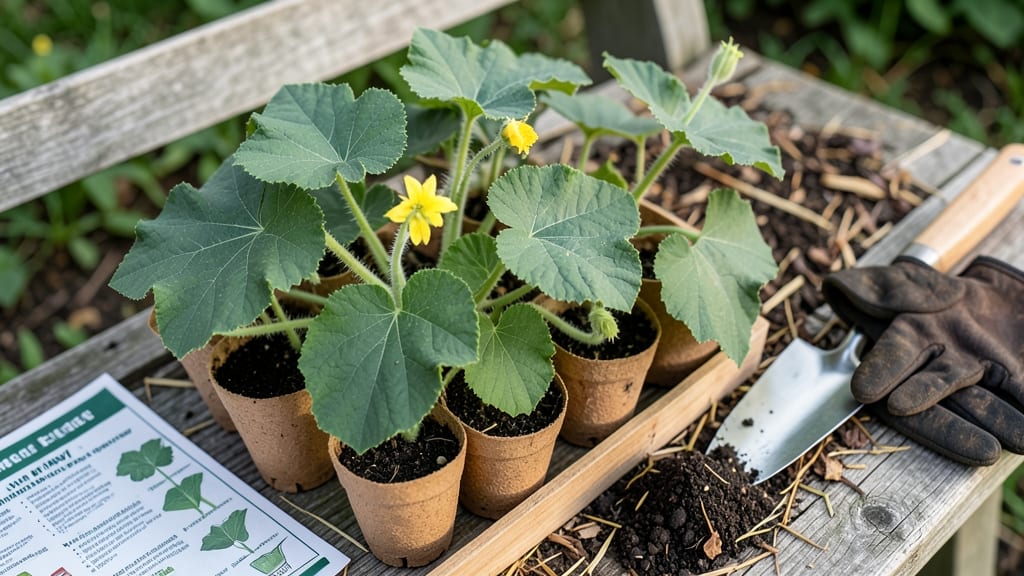
Planting cantaloupe in Michigan isn’t just about dropping seeds in the dirt—it’s about timing your 🍈 harvest to beat the clock before frost steals your sweet rewards.
With Michigan’s 5b-6b zones and unpredictable springs, getting those seeds in the ground too early means frost-nipped vines, while waiting too long risks a short summer season. The sweet spot? Understanding your region’s last-frost dates and heat-unit needs to give cantaloupes the 60-90 days they crave for peak ripeness.
Let’s cut through the guesswork. Whether you’re in the Upper Peninsula or Southern Michigan, I’ll break down the exact planting windows—from mid-May to early June—that align with soil temperatures and frost-free averages.
You’ll also discover how to stretch your harvest with succession planting and pro tips to outsmart Michigan’s short growing season. No more wasted effort or missed opportunities—just juicy, homegrown cantaloupes straight from your garden.
Here’s the game-changer: cantaloupes need warmth to thrive, so we’ll cover soil prep tricks (like black plastic mulch) to jumpstart growth and companion plants that boost yields. Plus, I’ll share the top varieties that perform best in Michigan’s climate, from fast-maturing hybrids to flavorful heirlooms.
Ready to turn your garden into a cantaloupe oasis? Let’s get those seeds in the ground at the perfect moment.
Why leave your cantaloupe dreams to chance? With the right timing and a few insider strategies, you can enjoy a bountiful harvest from July through August—no matter where in Michigan you’re planting. Let’s make sure your cantaloupes get the head start they deserve before the seasons change.
Michigan’s frost-free dates for cantaloupe planting by region
Cantaloupe thrives in warm weather and hates frost, so Michigan gardeners must time plantings carefully. The Upper Peninsula has the shortest growing season, while Southern Michigan enjoys an extra 2-3 weeks.
Always check your local last frost date—typically mid-April to early May—but don’t rush; cantaloupe needs soil temperatures above 70°F to germinate.
For direct sowing, wait until mid-May to early June in most regions. Transplants can go in slightly earlier (late April to mid-May), but they’ll struggle in cool soil. Use a soil thermometer to confirm—60°F+ is ideal for transplanting, while seeds need 70°F+ to sprout reliably.
Michigan’s USDA Zones 5b-6b mean frost can linger late, but cantaloupe’s 90-day maturity leaves little room for error. Plan for 165 frost-free days in Southern Michigan or 140 days in the UP. Succession planting every 2 weeks after the initial sowing can stretch your harvest into early August.
Here’s how planting windows vary by region, including heat-unit requirements and key soil thresholds:
For transplants, start seeds indoors 3-4 weeks before your region’s last frost. Harden off seedlings for 7-10 days before setting them out, but avoid transplanting after June 15—late plantings rarely mature in Michigan’s climate.
Pro tip: Black plastic mulch warms soil by 5-10°F, letting you plant 1-2 weeks earlier. Pair it with drip irrigation to maintain consistent moisture, which is critical during Michigan’s often unpredictable rainfall.
If you’re in Zone 5b (common in Northern Michigan), prioritize early-maturing varieties (60–70 days). In Zone 6b (Southern Michigan), you can afford slightly slower varieties (75–90 days) and even try succession planting for a staggered harvest.
Always monitor MSU Extension’s frost forecasts—late springs are common, and a May frost can devastate young plants. When in doubt, wait one more week for cantaloupe; it’s better to have no harvest than a failed one.
🌱
Michigan’s frost-free dates for cantaloupe planting by region
Michigan’s climate varies wildly from the Upper Peninsula’s cooler zones to the Southern Lower Peninsula’s warmer pockets, making frost-free dates critical for cantaloupe success. Cantaloupes are warm-season lovers that won’t tolerate frost—even a light freeze will kill young vines.
The key? Planting after your region’s last average frost date (typically mid-May to early June) and ensuring soil temps stay above 60°F (15°C).
For most of Michigan, cantaloupes need 90-120 frost-free days to mature. That means if your first frost hits in mid-October, you’ve got roughly 165 days to work with—just enough for fast-maturing varieties.
But in the Upper Peninsula, where summers are shorter, you’ll need to focus on early-maturing hybrids or use season-extending tricks to squeeze out every ripe melon.
Here’s the breakdown: Southern Michigan (like Detroit or Kalamazoo) can start seeds indoors in late April and transplant outdoors by mid-May. Meanwhile, the Upper Peninsula (Marquette, Sault Ste.
Marie) should wait until late May to early June—and even then, use black plastic mulch to warm the soil faster.
| Region | Last Frost Date (Avg.) | Planting Window | Soil Temp Threshold | Best Varieties |
|---|---|---|---|---|
| Southern Lower Peninsula (Detroit, Kalamazoo) | Mid-April | Mid-May to early June | 60°F+ (15°C+) | Athena, Hale’s Best, Minnesota Midget |
| Northern Lower Peninsula (Traverse City, Grand Rapids) | Late April | Late May | 65°F+ (18°C+) | Ambrosia, Bush Champion, Early Golden |
| Upper Peninsula (Marquette, Sault Ste. Marie) | Early May | Early June | 70°F+ (21°C+) | Ambrosia (fastest), Bush Champion |
Pro tip: Use a soil thermometer to confirm temps before planting—cantaloupes won’t germinate well in cool soil. If your garden soil runs cold, try raising beds or covering them with clear plastic a week before planting to warm them up faster.
For gardeners in Zone 5b (northern Michigan), consider starting seeds indoors in late April and transplanting after Memorial Day. In Zone 6a/b (southern Michigan), you can direct-sow seeds after May 15 if the soil is warm enough.
Just remember: cantaloupes hate chilly nights, so avoid planting too early—even if the ground looks ready.
Once your vines are established, focus on consistent watering and well-draining soil to prevent blossom-end rot. With the right timing and a little extra care, you’ll be slicing into homegrown cantaloupes by July—just in time for summer’s sweetest rewards! 🍈