
Planting
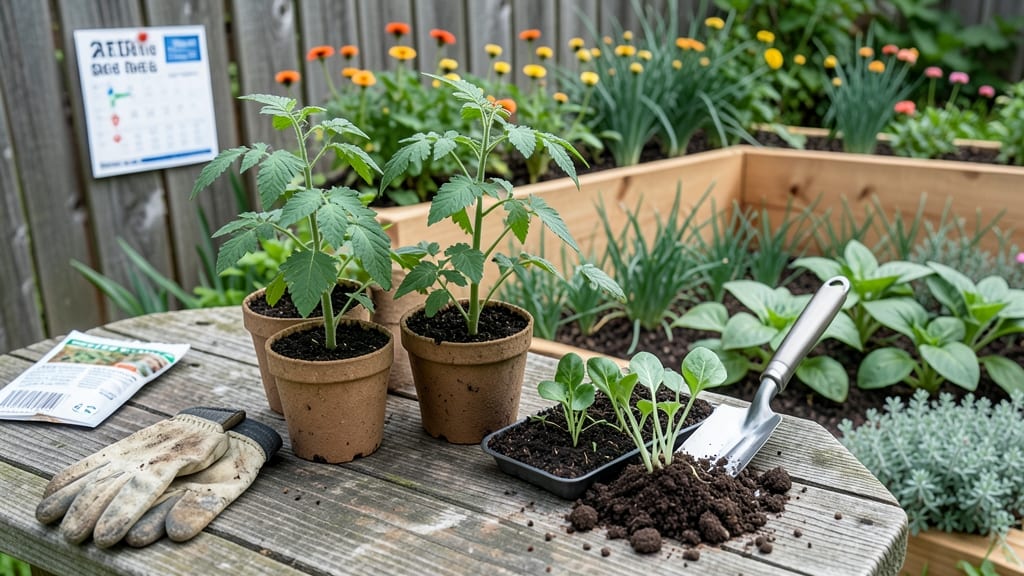
Knowing when to plant your garden in Michigan can mean the difference between a thriving harvest and a sad, frost-nipped disappointment. The 5b-6b zones here bring unique challenges—unpredictable springs, early frosts, and soil that takes forever to warm up.
But with the right timing, you can stretch your growing season and enjoy fresh 🌱 General Garden Vegetables & Flowers from spring to fall.
Most gardeners in Michigan wait until mid-April to early June for their first planting window, but that’s just the starting point. Cool-season crops like spinach and peas can handle a light frost, while tomatoes and peppers need warm soil—60°F or higher—to thrive.
Missing these cues could leave you scrambling or stuck with a short harvest.
In this guide, I’ll break down the exact dates for your zone, plus pro tips for adjusting to Michigan’s quirks—like urban heat islands or northern Michigan’s cooler climates. You’ll learn how to time your plantings for maximum yield, whether you’re starting seeds indoors or sowing directly into the garden bed.
Ready to turn your garden dreams into reality? Let’s get those seeds in the ground at the perfect moment—no more guesswork, just bountiful results.
Michigan last frost dates by USDA zone: when to plant cool vs warm-season crops
Michigan spans USDA zones 4a to 6b, meaning frost dates vary dramatically from the Upper Peninsula (UP) to Detroit and Ann Arbor.
The average last frost date ranges from May 10 in the UP to May 20 in southern Michigan, but these dates can shift by weeks depending on weather patterns.
For example, 2021 saw late frosts in early June in some areas, while 2020 had early springs with April plantings succeeding.
Cool-season crops like spinach, peas, and kale thrive when planted 4-6 weeks before your last frost date. Warm-season crops such as tomatoes, peppers, and cucumbers need to wait until soil temperatures reach 60°F (15°C), typically 2-4 weeks after last frost.
In Michigan’s shorter growing season, timing is everything—plant too early, and frost will kill tender seedlings; wait too long, and your harvest window shrinks.
Here’s a breakdown of last frost dates by zone, including when to plant cool vs warm-season crops for maximum success:
| USDA Zone | Last Frost Date (Average) | Cool-Season Planting Window | Warm-Season Planting Window | Notes |
|---|---|---|---|---|
| 4a (UP, Northern MI) | May 10–May 15 | April 1–April 15 | May 20–May 25 | Shortest season; use row covers for warm crops. |
| 5a (Traverse City, Grand Rapids) | May 5–May 10 | March 20–April 5 | May 15–May 20 | Hardy varieties recommended; late frosts common. |
| 5b (Lansing, Kalamazoo) | May 10–May 15 | March 25–April 10 | May 20–May 25 | Balanced season; ideal for most vegetables. |
| 6a (Detroit, Ann Arbor) | May 15–May 20 | April 1–April 15 | May 25–June 1 | Longer season; experiment with late crops. |
| 6b (Southern MI, near Ohio border) | May 20–May 25 | April 5–April 20 | May 30–June 5 | Warmest zone; try heat-loving plants like okra. |
For warm-season crops, always wait until soil temperatures are consistently above 60°F (15°C). Use a soil thermometer to check—cool soil slows germination and stunts growth. In northern Michigan (zones 4a-5a), consider starting warm-season plants indoors in March to transplant after last frost.
In southern Michigan (zones 6a-6b), you can even squeeze in a late summer planting of quick growers like bush beans or radishes in August.
Pro tip: Sign up for local frost alerts from the National Weather Service or use apps like PlantNet to track frost-free probabilities in your specific area. In my zone 5b garden, I’ve learned to have backup row covers ready—just in case a late frost sneaks in!
First-time gardeners often ask: What if I miss the window? Don’t panic! Fall planting is a great backup. Many cool-season crops like kale, spinach, and carrots thrive when sown in late August to early September.
Just aim to harvest before the first frost in October, which typically hits October 15–20 in most of Michigan.
Another key strategy is succession planting. Instead of planting all your lettuce or radishes at once, sow small batches every 2 weeks after your last frost. This ensures a continuous harvest and reduces waste. For example, in my garden, I plant radishes every 10 days from May through July—gu
How to adjust planting dates for Michigan’s microclimates and soil conditions
Michigan’s diverse microclimates mean your planting schedule in Detroit differs from Traverse City or Marquette. Urban areas like Ann Arbor often warm up faster than rural zones, while northern Michigan (UP) can linger in frost longer.
Always check your local last frost date—not just USDA zone averages—to avoid frost damage.
Start by testing your soil temperature with a soil thermometer. Warm-season crops like tomatoes and peppers need soil at 60°F (15°C) or warmer, while cool-season crops (spinach, kale) tolerate cooler 40–50°F (4–10°C) soils. If your soil is too cold, wait or use row covers to protect tender seedlings.
For urban gardeners, leverage heat islands by planting warm-season crops like peppers or eggplants 1–2 weeks earlier than rural areas. In northern Michigan, delay planting until May 15–June 1 for most crops, and consider cold-hardy varieties like kale or Swiss chard for early spring.
Extend your season with row covers or cold frames, which can push spring planting back 2–3 weeks and fall harvests forward 4–6 weeks. For example, spinach or lettuce planted in late August under cover may survive until November in southern Michigan.
If you’re unsure, use the “10-day rule”: Wait until 10 days after your average last frost date to plant tender annuals like basil or cucumbers. For fall crops, start 8–10 weeks before your first frost (typically mid-September in most zones).
Pro tip: Keep a garden journal to track your local frost dates and adjust future years. Michigan’s climate shifts yearly—your notes will become your most reliable guide! 🌱