
Planting
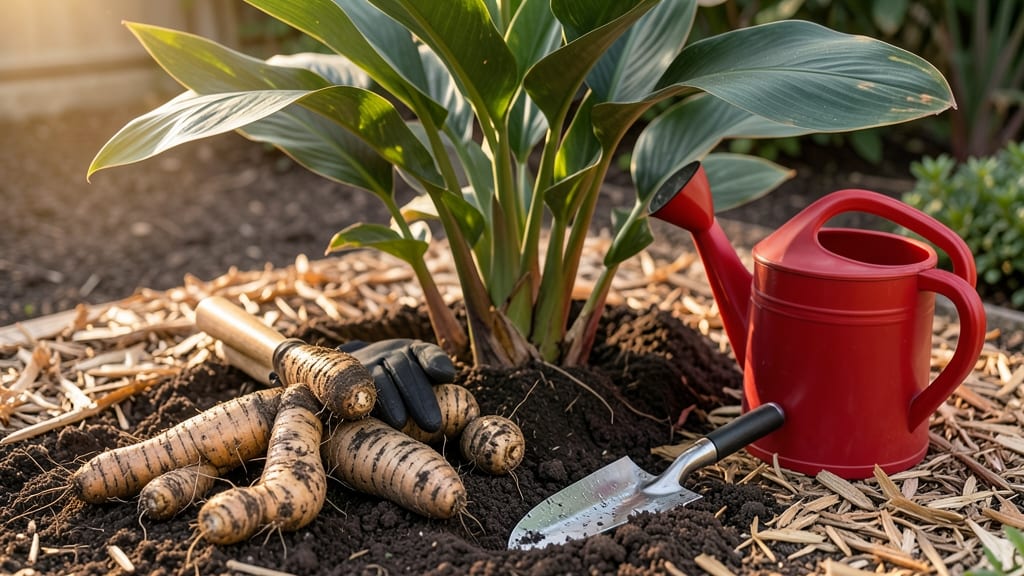
Timing your spring planting of Canna Lily bulbs could mean the difference between a showstopping garden and a missed opportunity—these tropical beauties 🌸 demand patience and precision. Too early, and a late frost will wipe out your progress; too late, and you’ll miss out on their dramatic summer blooms.
I’ve learned the hard way that soil temperature matters just as much as frost dates—cannas won’t sprout until the ground warms to at least 60°F, and that window varies wildly across regions.
Whether you’re in USDA Zone 6a or further south, knowing exactly when to plant (and how to prep your soil) is the key to success.
In this guide, I’ll walk you through the exact steps to time your planting perfectly, from checking soil warmth to adjusting for your local climate. You’ll also discover 5 foolproof signs your soil is ready—and the 3 mistakes that sabotage even the most eager gardeners.
By the end, you’ll have a clear, actionable plan to get your Canna Lily bulbs in the ground at the ideal moment, setting the stage for lush foliage and vibrant blooms all season long.
Optimal soil temperature for planting canna bulbs in spring
Canna bulbs, also called rhizomes, thrive in warm soil—60°F or higher is the magic number for successful planting. Cold soil slows growth, leaving your tropical cannas struggling to emerge.
I’ve learned the hard way that rushing into spring planting without checking soil temps can mean weeks of disappointment waiting for those dramatic canna lilies to appear.
Your local climate plays a huge role. In USDA zones 7-11, where cannas are perennial, you can plant as early as March in southern regions.
But gardeners in zones 6 or cooler should wait until after the last frost date and when soil consistently stays above 60°F. Even then, I recommend waiting until mid-to-late May to avoid late frosts.
Here’s the key: Soil temperature matters more than air temperature. A sunny day might feel warm, but the ground could still be chilly. Use a soil thermometer (just $10 at garden centers) to check—plant only when readings hit 60°F 1-2 inches deep.
Pro tip: Morning is the best time to test, as soil cools overnight.
If you’re in doubt, consider container growing. Pots warm up faster than ground soil, giving you a 2-4 week head start on garden planting. I’ve had success starting cannas in containers in early April in zone 7, then transplanting after Memorial Day when ground temps stabilize.
One common mistake? Planting too early because the air feels warm. Cold soil = stunted growth. I’ve seen cannas planted in late April in zone 7 sit dormant for weeks, only to finally emerge in June—missing half the growing season. Don’t let that happen to you!
For northern gardeners, black plastic mulch can help warm soil faster. Lay it down 2-3 weeks before planting to raise ground temperatures by 5-10°F. It’s a game-changer for extending your planting window in cooler climates.
Let’s talk about rhizome size too. Larger rhizomes (3+ inches) establish faster and are more forgiving of cooler soil. Smaller ones (<2 inches) need warmer, consistent temps to thrive. If you’re planting small rhizomes, wait until soil hits 65°F+ for best results.
Now, let’s break down exactly what you need to know about soil readiness with this quick reference:
Remember, patience pays off with cannas. Rushing into planting when soil is still cool can lead to rotten rhizomes or weak, leggy growth. But when you time it right—warm soil + frost-free forecast—you’ll get those bold tropical leaves and showstopping blooms all summer long.
Next, we’ll cover how to calculate your local frost-free date and adjust for microclimates—because even within your region, some spots stay warm longer than others! ☀️
How to calculate your local frost-free date for canna planting
Finding your local frost-free date is the first step to timing canna bulb planting perfectly. Unlike hardy perennials, cannas cannot tolerate frost—even a light freeze will kill emerging shoots.
That’s why I always check two key dates: the average last frost date and the historical late frost for my region.
Start by visiting the National Oceanic and Atmospheric Administration (NOAA) frost map or your state’s agricultural extension service. For example, in USDA Zone 7a, the last frost typically falls around April 15, but I add 2-3 weeks as a buffer for late frosts.
In Zone 9a, where frosts are rare, I plant as early as March 1—but only after confirming soil warmth.
Don’t rely solely on the calendar! Microclimates—like south-facing slopes or urban heat islands—can warm up 1-2 weeks earlier than official maps suggest. I test my garden’s warmth by placing a thermometer in the soil at planting depth (2-4 inches) for 3 consecutive days.
If it’s consistently above 60°F, I’m ready to plant.
Late Frosts Are the #1 Killer of Canna Bulbs
Even if your last frost date is April 10, a late freeze in mid-April can still damage young canna shoots. To protect your investment:
- Add 3 weeks to your frost-free date for planting.
- Use row covers or black plastic mulch to warm soil faster.
- Start bulbs indoors in pots 4-6 weeks before your target date.
Pro tip: Check your local weather station’s 10-year frost history—some areas have unpredictable late frosts even in mild climates.
If you’re in a cooler zone (Zone 6 or below), consider growing cannas in containers that you can move indoors before frost. I’ve had success with 5-gallon pots filled with well-draining mix, planted in early May and brought inside when nights dip below 50°F.
For warmer zones (Zone 8+), you can plant as early as February, but I wait until March to avoid soil-borne diseases that thrive in wet, cool conditions.
Always pair your frost-free date with a soil temperature check—cannas won’t sprout until the ground reaches 60°F for at least 3 days.
Remember: Rushing canna planting is a common mistake. Even if your frost date has passed, cold soil will delay germination by weeks. Patience pays off—wait for both frost-free conditions and warm soil before digging in those bulbs!