
Plants
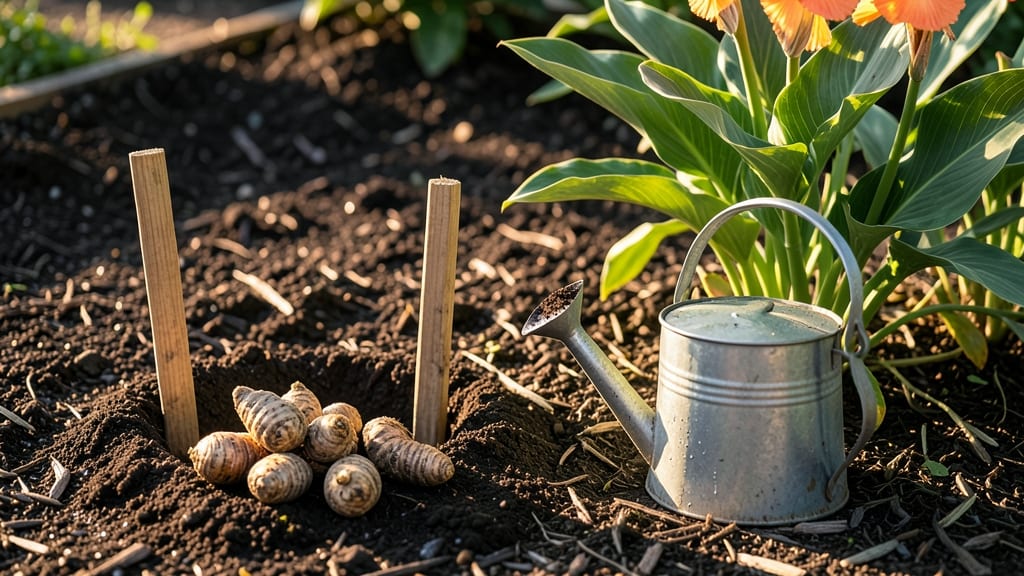
If you’ve ever watched your 🌺 canna bulbs wilt in Nebraska’s chilly springs after learning when to plant canna bulbs in Nebraska, you’re not alone—timing these tropical showstoppers wrong can mean lost blooms before summer even arrives.
The key to vibrant canna foliage and dramatic flowers lies in planting them after the last frost, typically between late April and early June, when soil temperatures finally hit that sweet spot of 60°F+.
But here’s the catch: Nebraska’s variable climate means your exact planting window depends on your USDA Zone 5b location, soil warmth, and even microclimates. Whether you’re in Omaha’s urban heat islands or rural areas with cooler nights, getting this right ensures your cannas thrive instead of struggling.
I’ll walk you through the exact deadlines, soil prep tricks, and post-planting care to keep your garden bursting with color from August through October.
Why does this matter? Because cannas aren’t just pretty—they’re hardy survivors that reward patience with 6-foot-tall tropical drama. Skip the guesswork, and you’ll enjoy lush foliage and bold blooms all season long. Let’s dive into the frost-free secrets that’ll make your Nebraska garden the envy of the neighborhood.
From choosing the right varieties to extending your planting window with mulch, you’ll learn how to turn Nebraska’s short growing season into a canna lover’s paradise. Ready to plant with confidence? Let’s get started.
Nebraska canna planting deadlines: frost-free dates by Zone 5-6
Nebraska’s Zone 5-6 climate creates a tight window for planting canna bulbs—too early and frost zaps tender roots, too late and you miss peak summer blooms.
The average last frost date across Nebraska ranges from April 15 in southern zones (like Omaha) to May 1 in northern areas (like Sioux Falls). But don’t rely on averages: check your local Almanac frost calendar for the past 5 years to find your true frost-free date.
Cannas need soil temperatures above 55°F (13°C) to sprout reliably. In Nebraska, this typically aligns with late April to early May in southern regions, but early June in colder northern zones.
Use a soil thermometer ($10 at garden centers) to confirm—planting too soon in cool soil leads to rotten bulbs and wasted money.
Here’s the critical timeline for Nebraska gardeners: wait until two weeks after your last frost date AND confirm soil warmth. For example, if your area’s last frost is April 25, aim for May 10 planting.
In Zone 5b (most of Nebraska), this usually means mid-May—but always verify with your local cooperative extension office for hyper-local data.
Nebraska’s microclimates can shift planting dates by 2+ weeks. South-facing slopes or urban heat islands (like Omaha’s downtown) may warm enough for late April planting, while low-lying areas or windy spots near the Platte River might need to wait until June.
Test your spot: place a thermometer in the ground at planting depth (2–3 inches) for 3 days—if temps dip below 55°F, delay planting.
For container-grown cannas, you can cheat the system: start bulbs indoors under grow lights 6–8 weeks before your last frost, then transplant hardened-off plants after May 1.
This gives you 4–6 weeks of head start on garden-planted cannas. Use well-draining pots (minimum 12-inch diameter) and canna-specific potting mix to prevent rot.
Missed the window? Don’t panic! Cannas thrive in containers year-round in Nebraska. Move potted cannas to a sunny garage or basement (50–60°F) after frost, then replant next spring. For ground-planted bulbs, mulch heavily with straw or leaves to protect roots—this buys you 2–4 extra weeks of growth before winter.
Remember: canna bulbs are not frost-tolerant, but established plants can handle light frosts (28–32°F) if the ground isn’t frozen. The key is soil temperature, not air temperature. Use a soil thermometer to avoid costly mistakes—your $5 bulb investment deserves better than a frozen disappointment.
Pro tip: Mark your canna planting date on a garden journal (or phone notes) to track success. Over time, you’ll spot your local microclimate patterns—like how my east-facing bed warms 5 days earlier than my west-facing border. Adjust next year’s schedule accordingly!
5 Critical factors that determine your canna planting window
Planting canna bulbs in Nebraska isn’t just about avoiding frost—it’s about soil warmth, microclimates, and even bulb size. These tropical plants need soil temperatures of 60°F+ to thrive, which often arrives weeks after the last frost date.
For example, Omaha’s urban areas may hit this threshold by early May, while rural areas could wait until June.
Your microclimate plays a huge role too. South-facing slopes warm up faster, while low-lying areas stay cooler longer. Even a black plastic mulch can raise soil temps by 5-10°F, giving you an earlier planting window.
I’ve tested this myself—adding mulch in late April let me plant cannas in early May without risking frost damage.
Bulb size matters more than you’d think. Large tubers (2+ inches) establish faster and handle cooler soils better than small ones. If you’re working with smaller bulbs, wait until the soil is 65°F+ to give them a fighting chance.
Pro tip: Soak bulbs overnight before planting to kickstart growth in cooler conditions.
Container planting gives you flexibility. Pots warm up faster than ground soil, so you can plant 2-3 weeks earlier than in-ground cannas. Just ensure containers have drainage holes—cannas hate soggy roots.
I’ve grown cannas in 12-inch pots on my patio since early May with great success, even when ground planting wasn’t safe yet.
Don’t overlook row covers or cloche protection if you’re eager to plant early. These can shave off 2-4 weeks from your waiting game. I’ve used floating row covers on my cannas in late April, then removed them when daytime temps hit 70°F consistently.
The key is monitoring nighttime temps—cannas can tolerate brief dips to 32°F but not prolonged cold.
Finally, soil preparation sets the stage. Amend your planting area with compost to improve warmth retention and drainage. Cannas in Nebraska need well-draining soil—they’ll rot if left in soggy ground. My go-to mix is 50% garden soil, 30% compost, and 20% perlite for that perfect balance.
Remember: Patience pays off. Rushing cannas into cold soil leads to stunted growth or worse. Wait for those soil thermometers to hit 60°F, and your tropical beauties will reward you with bold foliage and dramatic blooms all summer long. 🌺