
Flowers
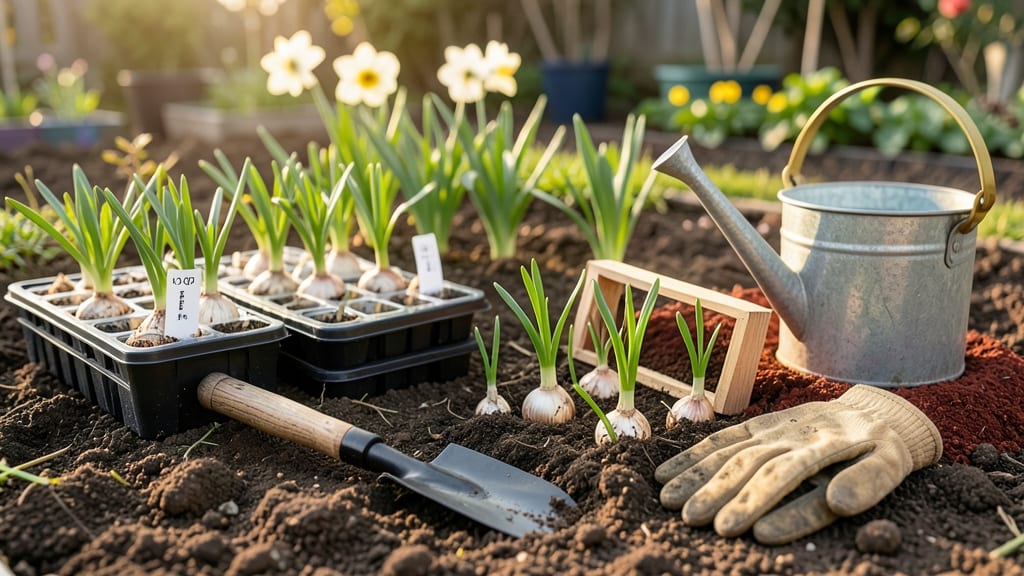
Timing your spring flower planting can make or break your garden's vibrant potential—especially when frost dates shift dramatically from your neighbor’s yard to yours.
In Zone 6a, where I garden, waiting until after the last frost (usually around April 15) is the golden rule for most 🌸 flowers, but the wrong timing can leave you with wilted petals before the season even begins.
You’ve probably heard the advice to “plant after frost,” but what does that really mean for your specific flowers? Annuals like petunias and pansies are eager to bloom once the ground warms, while hardy perennials like peonies need patience to avoid frost damage.
The key is knowing whether your spring-blooming varieties are frost-tender or resilient—and when to adjust for late cold snaps that can sneak up even in warmer zones.
I’ll break down exactly when to plant your flowers based on their hardiness, regional frost averages, and soil temperature cues. Whether you’re a first-time gardener or a seasoned pro, these actionable deadlines will help you avoid common pitfalls like leggy seedlings or frozen roots.
Let’s get your garden off to the right start—because timing isn’t just about the calendar, it’s about the weather’s unpredictable mood swings.
From preparing your soil to choosing the right varieties for your last frost date, you’ll learn how to turn “maybe next year” into “blooming beauty” this season. Ready to dig in?
USDA Zone deadlines for planting spring flowers by hardiness type
Getting your spring flowers in the ground at the right time is everything—especially when frost dates shift wildly from Zone 3 to Zone 11. The key is understanding whether your flowers are tender annuals, hardy perennials, or cool-season biennials, each with its own planting window.
For example, pansies can handle light frost, while petunias will bolt if planted too early.
I’ve planted flowers across Zones 5-8, and I’ve learned the hard way that rushing warm-season flowers like marigolds before the last frost can stunt their growth. Meanwhile, cool-season flowers like calendula thrive when sown 4-6 weeks before the last frost.
Let’s break down the deadlines by USDA zone and flower type so you can avoid common mistakes.
Here’s a quick comparison to help you align your planting with local frost dates and flower hardiness. Use this as your guide to time your spring planting perfectly, whether you’re in Zone 3 with late frosts or Zone 10 where winters are mild.
| Flower Type | USDA Zones | Planting Window | Key Notes |
|---|---|---|---|
| Tender Annuals (e.g., Petunias, Geraniums, Impatiens) | Zones 3-11 | 2-4 weeks after last frost | Soil temp must be 60°F+; avoid frost risk |
| Hardy Annuals (e.g., Snapdragons, Sweet Peas, Calendula) | Zones 3-10 | 4-6 weeks before last frost | Tolerates light frost; ideal for early blooms |
| Perennials (e.g., Peonies, Daylilies, Black-Eyed Susans) | Zone-specific (e.g., Peonies: Zones 3-8) | Early spring (March-April) or fall | Plant crowns 2-3 inches deep; water deeply |
| Biennials (e.g., Foxgloves, Hollyhocks) | Zones 4-9 | Late summer (August-September) for spring blooms | Needs cold stratification to flower next year |
| Bulbs (e.g., Tulips, Daffodils, Hyacinths) | Zones 3-10 (varies by type) | Fall (October-November) or early spring | Plant 3x deeper than bulb height; well-draining soil |
For Zones 3-5, where frosts linger until May, focus on cool-season flowers like pansies and snapdragons planted in early spring. In Zones 7-11, you can start tender annuals like impatiens as early as February, but always wait until soil warms to 60°F.
Pro tip: Use your local cooperative extension office to find exact last-frost dates for your area. For example, in Zone 6a (like my garden), the average last frost is April 15
Best spring flowers to plant by last frost date (early vs. late Zones)
Knowing your last frost date is the first step to planting success, but not all flowers thrive on the same timeline.
In my Zone 6a garden, I’ve learned that some flowers—like sweet peas—can handle early spring planting, while others, such as impatiens, need to wait until the soil is toasty warm. The key is matching your flower type to your region’s frost-free window.
Let’s break it down by planting windows so you can plan with confidence.
For early-blooming varieties, like sweet peas and calendulas, you can start seeds indoors 6-8 weeks before your last frost date. These cold-hardy flowers can even tolerate light frosts once established.
Meanwhile, tender annuals like marigolds and zinnias should wait until 2-4 weeks after the last frost, when nighttime temperatures consistently stay above 50°F. Perennials like peonies and daylilies are even more patient—they can wait until late spring when the soil is fully warmed.
Here’s how to align your planting with your last frost date, whether you’re in a cool northern zone (like Zone 4) or a warmer southern climate (like Zone 9). The goal? Avoid the heartbreak of frost-nipped blooms and maximize your garden’s season-long color.
🌱 Numbered Highlights: Planting Windows by Flower Type
- 🌱 Before Last Frost (Cold-Hardy Annuals & Perennials)
Flowers: Sweet peas, calendulas, snapdragons, pansies
When: 6-8 weeks before last frost (start indoors)
Why: Tolerate light frost; thrive in cool soil - 🌿 At Last Frost (Moderately Hardy Annuals)
Flowers: Marigolds, zinnias, cosmos, bachelor’s buttons
When: 2-4 weeks after last frost
Why: Need warm soil but can handle brief chills - ☀️ After Last Frost (Tender Annuals & Heat-Lovers)
Flowers: Impatiens, petunias, geraniums, vinca
When: 4-6 weeks after last frost
Why: Sensitive to frost; require warm nights - 🌳 Late Spring (Perennials & Bulbs)
Flowers: Peonies, daylilies, irises, dahlias
When: After soil reaches 60°F+ (late May in Zone 6a)
Why: Dormant until soil warms; avoid early planting
⚠️ Pro Tip: Check your USDA Zone and local frost averages—some regions (like the Pacific Northwest) have later frosts than their zone suggests!
If you’re in a Zone 4 or 5, where frosts linger into May, focus on cold-tolerant flowers like black-eyed Susans and coreopsis. These thrive in cooler soils and can even handle a light frost after planting.
In Zones 7-11, where winters are mild or nonexistent, you can plant tropical favorites like hibiscus and plumerias as early as February, but protect them from unexpected cold snaps with row covers.
For succession planting, which extends your blooms all season, start with fast-growing annuals like basil flowers or nasturtiums every 2-3 weeks after your first planting. This ensures your garden stays vibrant from early summer through fall frost.
I’ve even planted cosmos twice in my Zone 6a garden—once in early May and again in late June—to keep the pink and white blooms coming nonstop.
Remember, the soil temperature matters just as much as the air temperature. Use a soil thermometer to check that it’s at least 50°F for most annuals and 60°F+ for heat-loving varieties.
If your soil is still chilly, hold off—even the hardiest flowers will struggle to establish roots in cold ground. Patience now means prolonged blooms later.