
Plants
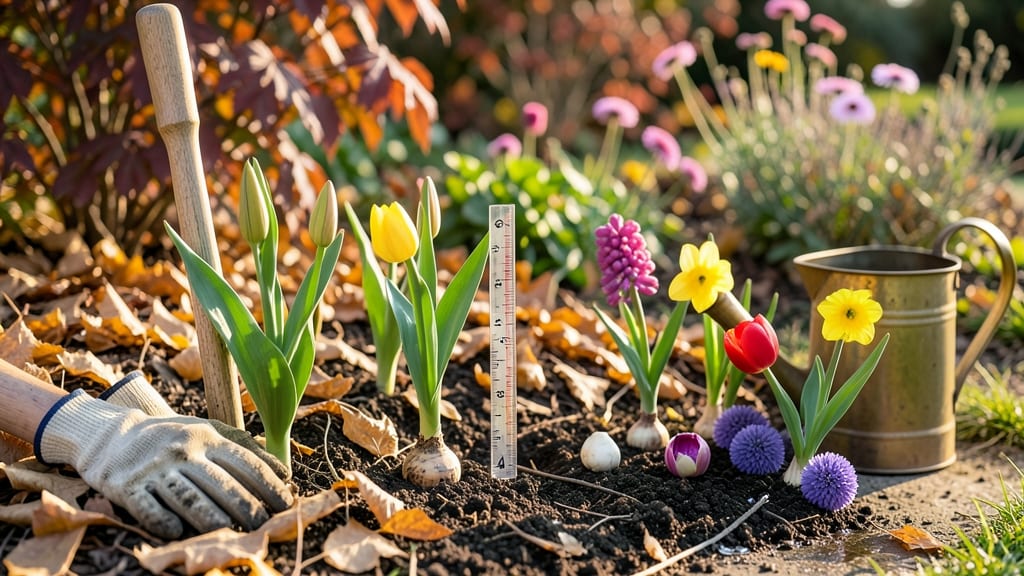
Timing your fall bulb planting wrong can mean waiting another year for those dreamy spring blooms—but getting it right guarantees vibrant daffodils, tulips, and hyacinths that’ll steal the show.
The secret lies in understanding your hardiness zone and each bulb’s chill-hour requirements, especially in USDA Zone 6a where 6-8 weeks before the first frost is your golden window.
You might think planting early is safe, but bulbs need time to establish roots before winter dormancy kicks in. Too late, and they’ll rot in the cold soil.
I’ll break down exactly when to dig in—whether you’re in a cooler northern climate or a milder southern region—so you can time it perfectly for reliable blooms next spring.
Let’s talk chill hours: tulips need 400+ hours below 40°F, while daffodils thrive with just 200+ hours. Planting at the wrong time disrupts this balance, leaving you with weak or no flowers.
I’ll show you how to adjust your schedule based on your local frost dates and bulb types.
Ready to avoid common mistakes? From soil prep to depth and drainage, I’ve got the game-changer tips to ensure your 🌱 bulbs flourish. Let’s get those roots growing right now—before the clock runs out!
Fall bulb planting timeline by USDA Zone: exact weeks before frost
Planting bulbs in the fall is all about timing—specifically, giving them 6-8 weeks to establish roots before the ground freezes. In USDA Zones 3-7, this usually means planting between mid-September and mid-October, but exact dates shift based on your location.
For example, gardeners in Zone 4 might start as early as late August, while those in Zone 9 can wait until November.
Miss the window, and your bulbs won’t have enough time to root before winter dormancy, leading to weak or no blooms next spring. The key is to plant when soil temperatures drop to 60°F (15°C) but before the first hard frost.
This ensures roots grow but shoots don’t sprout prematurely and freeze.
🌱
In Zone 5, where I garden, I always aim to plant by October 1st—this gives my tulips and daffodils enough time to root before the ground freezes solid.
If you’re unsure about your frost date, check your local Cooperative Extension Service or use a frost calendar for your city.
For late varieties, like fritillaries, you can push the deadline slightly later (up to 2 weeks before frost), but avoid planting after the first hard freeze. Bulbs planted too late may rot or fail to bloom.
Pro tip: If your soil is still warm in early fall, hold off planting. Use a soil thermometer to confirm temperatures are below 60°F (15°C). This prevents premature sprouting, which weakens bulbs before winter.
🌡️
Don’t forget that bulb size also affects timing. Larger bulbs (like 12-inch daffodils) establish roots faster than smaller ones, so you can plant them slightly later. For example, a #1 tulip bulb might need 8 weeks to root, while a #2 could manage with 6 weeks.
If you’re in a mild-winter zone (Zone 9-10), focus on low-chill varieties like rain lilies or cyclamen, which bloom even with fewer cold hours. These can handle later plantings and still deliver stunning spring color.
Finally, mark your calendar with your local frost date and count backward. This simple step ensures you never miss the window—and next spring, you’ll be rewarded with a show-stopping display of blooms.
Chill-hour requirements by bulb type: how cold determines bloom time
Not all bulbs need the same amount of winter chill to bloom spectacularly next spring. Tulips and hyacinths demand 400+ hours below 40°F, while daffodils and alliums thrive with just 200-300 hours.
These chill-hour requirements dictate when you should plant—too early, and bulbs may sprout prematurely; too late, and they won’t get enough cold to trigger blooms.
In USDA Zone 6a, where winters are cold but not extreme, most bulbs need planting 6-8 weeks before frost—typically mid-September to early November.
But if you’re in Zone 7 or warmer, you’ll need to plant earlier (August-September) to meet chill-hour needs, while Zone 3-5 gardeners can wait until October.
Here’s how to match your bulbs to your climate: Tulips and crocuses love deep cold, so they’re perfect for northern zones. Daffodils, on the other hand, are more flexible and bloom reliably even in milder winters. Knowing these needs helps you avoid weak or no flowers next spring.
| Bulb Type | Chill-Hour Needs | Best Planting Window (Zone 6a) | Bloom Time |
|---|---|---|---|
| Tulips | 400+ hours | Mid-Sept to Oct 15 | Early to mid-spring |
| Daffodils | 200-300 hours | Late Sept to Nov 1 | Mid to late spring |
| Hyacinths | 400+ hours | Mid-Sept to Oct 1 | Early spring |
| Alliums | 150-200 hours | Late Sept to Nov 1 | Late spring |
| Crocuses | 300-400 hours | Mid-Sept to Oct 15 | Early spring |
For example, if you’re in Zone 6a and want tulips to bloom early, plant them by October 1st—but if you’re in Zone 7, you’ll need to get them in the ground by September 15th to ensure they get enough chill. Daffodils, however, are more forgiving and can handle later plantings in cooler zones.
Pro tip: Check your local average frost date and count backward 6-8 weeks. Use a soil thermometer to confirm the ground is below 60°F—this signals it’s time to plant. Cold soil helps prevent premature sprouting, which weakens bulbs before winter.
Remember, chill hours ≠ frost dates. Even if your area gets frost early, bulbs need consistent cold temperatures to set blooms. Adjust your timing based on your specific bulb’s needs, not just the calendar. With this approach, you’ll guarantee those show-stopping spring blooms year after year! 🌸