
Plants
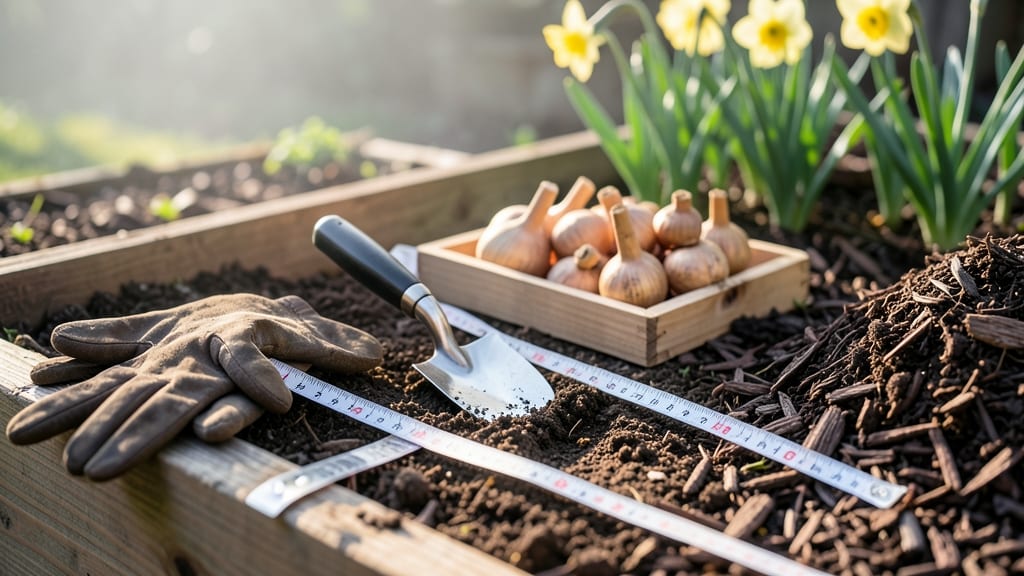
Planting daffodils in Tennessee at the wrong time can mean soggy bulbs or missed bloom triggers—but get it right, and you’ll enjoy vibrant spring displays for years. The key isn’t just the calendar; it’s matching your 6a-7b zone with the 300–600 chill hours these cheerful 🌼 need to thrive.
Fall is your golden window, but Tennessee’s unpredictable weather throws a wrench in the plan. Plant too early, and bulbs rot in damp soil; too late, and they won’t get enough cold to bloom.
I’ll show you how to nail that September–November sweet spot—plus how to adjust for your region’s quirks.
Whether you’re in the Smokies or Nashville, the right timing ensures reliable blooms next spring. You’ll learn which varieties handle Tennessee’s climate best, how to prep soil, and even how mulch can save your bulbs from late freezes.
Skip the guesswork and plant with confidence. Let’s dive into the exact steps to turn your Tennessee garden into a daffodil paradise.
Best planting months for daffodils in Tennessee based on chill hours
Daffodils (Narcissus) thrive in Tennessee’s USDA Zones 6a-7b, but timing your planting depends on chill hours—the number of hours below 40°F (4°C) the bulbs need to bloom. Most varieties require 300–600 chill hours, and Tennessee’s regions vary slightly in when they hit this threshold.
For East Tennessee (Zone 6a), aim to plant late September to early October—this gives bulbs enough time to root before winter while ensuring they get the 500+ chill hours needed.
In Middle Tennessee (Zone 6b-7a), stretch your window to mid-September to mid-November, as winters are milder with fewer chill hours.
West Tennessee (Zone 7b) gardeners can plant as late as early December, but avoid planting after mid-December—bulbs may not root before soil freezes. Always plant 4–6 weeks before the first hard frost (typically mid-October in most areas).
| Region | USDA Zone | Chill Hours | Best Planting Window | Soil Temp Trigger |
|---|---|---|---|---|
| East TN | 6a | 500–600 hrs | Late Sept–Early Oct | 60°F (15°C) |
| Middle TN | 6b–7a | 400–500 hrs | Mid-Sept–Mid-Nov | 55°F (13°C) |
| West TN | 7b | 300–400 hrs | Early Sept–Early Dec | 65°F (18°C) |
Soil temperature is just as critical as air temperature. Daffodil bulbs need soil to be 55–65°F (13–18°C) for optimal root growth. Use a soil thermometer to check—plant when temps consistently stay above 60°F (15°C) during the day.
If you’re in a high-altitude area like the Great Smoky Mountains, plant 2–3 weeks earlier than the general guideline. Cooler temps at elevation mean bulbs need more time to establish roots before winter sets in.
For container gardening, follow the same timing rules but use a well-draining potting mix. Containers warm up faster, so monitor soil moisture closely—overwatering can cause bulb rot before they’ve had a chance to root.
Pro tip: Mark your planting spots with biodegradable flags to avoid disturbing bulbs next spring. Daffodils need 6–8 weeks of root growth before winter, so don’t wait until the last minute!
Miss the fall window? You can still plant daffodils in early spring (February–March), but blooms may be smaller or delayed since bulbs won’t get the full chill period. This method works best for low-chill varieties like ‘Tête-à-Tête’ or ‘Ice Follies’. 🌼
Best planting months for daffodils in Tennessee based on chill hours
Tennessee’s USDA zones 6a–7b create a unique challenge for daffodil planting—too early, and soggy soil rots bulbs; too late, and they miss critical 300–600 chill hours. The sweet spot? September through November, when soil cools but hasn’t frozen yet.
This window ensures bulbs get the cold they need to bloom reliably next spring.
Your exact timing depends on where you live in Tennessee. The East (Smokies) typically plants in early September, while the Middle (Nashville) and West (Memphis) can wait until late September or October.
The goal is to plant 4–6 weeks before the first hard frost, which usually hits by mid-October in the mountains and early November in the valleys.
Soil temperature is your best guide—aim for 50–60°F at 6 inches deep. Use a soil thermometer to check; if it’s warmer, wait a few days. This temperature range signals bulbs it’s time to root without risking rot in wet conditions.
| Region | USDA Zone | Best Planting Window | Chill Hours Needed | Soil Temp Trigger |
|---|---|---|---|---|
| East (Smokies) | 6a | Early September | 500–600 hours | 50–55°F |
| Middle (Nashville) | 7a | Late September | 300–400 hours | 55–60°F |
| West (Memphis) | 7b | October | 350–450 hours | 58–60°F |
Pro tip: If you’re in a high-altitude area like the Smokies, plant earlier to account for colder nights. Conversely, in warmer valleys, wait until October to avoid premature sprouting. Always plant bulbs 6 inches deep and 6 inches apart for optimal airflow and bloom performance.
Missed the fall window? You can still plant in early December if your soil hasn’t frozen, but expect smaller blooms next year. The key is ensuring bulbs get at least 6–8 weeks of cold before spring growth begins.
For consistent blooms, mark your calendar for September 15–October 15 as your target window. This gives you flexibility for Tennessee’s unpredictable weather while guaranteeing those bright spring blooms you love. 🌼