
Plants
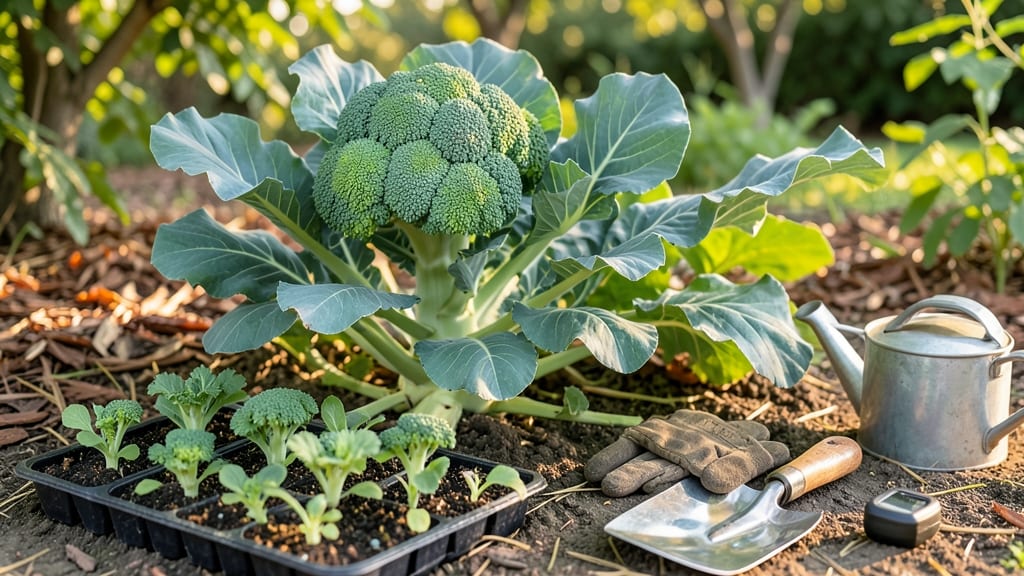
Timing your 🥦 broccoli planting in Colorado isn’t just about luck—it’s about outsmarting the mountain climate to avoid bitter disappointment. With average last frosts lingering around April 15 and first frosts creeping in by October 15, even experienced gardeners can misjudge the window.
But here’s the game-changer: planting 4–6 weeks before your last frost (typically March–April) gives your broccoli the head start it needs to thrive in Colorado’s USDA zones 5–7.
Why does this matter? Because broccoli hates heat—once temperatures climb above 80°F, those perfect 🥦 florets bolt into bitter flowers faster than you can say "snowstorm." The solution? Two planting windows: early spring for summer harvests or late summer (August–early September) for fall bounty.
And if you’re starting seeds indoors, begin them 6–8 weeks before transplanting to sync with soil temperatures that stay above 40°F.
Let’s cut to the chase: I’ll walk you through the exact frost-date breakdown for Denver’s 6a zone and beyond, plus how to stretch your harvest season without risking bolting.
Whether you’re a first-time gardener or a veteran grower, these tips will help you dodge wasted seeds and maximize your garden’s potential—no guesswork required.
Ready to grow broccoli that’s bolt-free and bountiful? Grab your calendar and let’s get planting—before Colorado’s weather decides to throw another curveball your way.
Colorado’s broccoli planting windows by microclimate Zone
Colorado’s diverse microclimates mean your broccoli planting window could vary by hundreds of miles. The Front Range (Denver, Boulder) has later frosts than the Western Slope (Grand Junction), while the Eastern Plains (Colorado Springs) often sees earlier springs.
Understanding these zones helps you avoid wasted seeds and bolting plants before harvest.
Broccoli thrives in USDA zones 5-7, but Colorado’s elevation changes everything. At 5,000 feet (Denver), your last frost might be April 15, while at 7,000 feet (Mountain towns), it could linger until May 1.
The key? Adjust planting dates based on your local frost data and altitude.
For spring planting, aim to sow seeds 4-6 weeks before your last frost. In Denver (Zone 6a), that’s mid-March for transplants or late March for direct seeding.
In Grand Junction (Zone 7a), you can start as early as February—but watch for late freezes that can kill tender seedlings.
Fall planting is trickier but rewarding. Broccoli needs 90-120 frost-free days to mature. In Colorado Springs (Zone 5b), plant by August 1 for a fall harvest before hard frosts. In Fort Collins (Zone 5a), push it to July 15 to avoid early snow.
Cold-hardy varieties like ‘Waltham 29’ tolerate light frosts (down to 25°F), while ‘De Cicco’ bolts faster in heat. Transplant timing matters too: move seedlings outdoors when soil hits 40°F—warmer soil speeds germination, but cooler temps prevent bolting.
Here’s how Colorado’s three main zones compare for broccoli planting windows, including transplant dates and harvest windows:
| Zone | Last Frost | First Frost | Spring Planting Window | Fall Planting Window | Harvest Window |
|---|---|---|---|---|---|
| Front Range (Denver, Boulder) | April 15 | October 15 | March 15–April 1 | August 1–15 | June–July & Oct–Nov |
| Western Slope (Grand Junction) | March 1 | November 1 | February 15–March 15 | July 15–August 15 | May–June & Sept–Oct |
| Eastern Plains (Colorado Springs) | April 1 | October 30 | March 1–April 1 | July 1–August 1 | June–July & Sept–Oct |
Pro tip: Use row covers to extend your spring window by 2-3 weeks in colder zones. For example, in Fort Collins (Zone 5a), cover seedlings until May 1 to protect against late frosts. In hotter zones like Pueblo (Zone 6b), shade cloth prevents bolting during summer heat.
Colorado’s high-altitude gardens (above 7,000 feet) need extra care. Soil stays cooler longer, so start seeds indoors by February 1 and transplant after May 15. Use black plastic mulch to warm soil 5-10°F faster and speed up growth.
For fall harvests, prioritize fast-maturing varieties (like ‘Calabrese’) in Zone 5 areas. In Zone 7 (Grand Junction), you can push fall planting to September 1 with row covers for a winter harvest under protection.
Always check local frost dates from your
How to extend Colorado’s broccoli season without risking bolting
Colorado’s short growing season doesn’t mean you’re stuck with just one broccoli harvest. With the right techniques, you can stretch your harvest from early summer all the way to late fall—or even squeeze in a winter crop with protection.
The key is managing heat stress and extending the cool season when temperatures rise above 75°F. I’ve tested these methods in my own Denver garden (USDA Zone 6a), and they’ve helped me avoid bolting while maximizing yields.
First, let’s tackle the biggest threat: bolt-resistant planting windows. Broccoli bolts when it gets too hot, so timing is everything. For a fall harvest, plant your second crop in mid-to-late August (not July!) to give the plants time to mature before Colorado’s first frost.
If you’re pushing for a winter harvest, aim for early September and use row covers to protect against early frosts.
🌱 Pro Tip: Start seeds indoors 6–8 weeks before your target transplant date to give seedlings a head start. This is especially critical for late-summer plantings, where the clock is ticking before winter sets in.
Don’t overlook watering strategies—consistent moisture is critical, especially during Colorado’s dry spells. Broccoli plants need 1–1.5 inches of water per week, but in July and August, I increase this to daily deep watering to prevent stress.
Use drip irrigation to keep foliage dry and reduce fungal risks like downy mildew, which thrives in Colorado’s humid mountain air.
Finally, choose bolt-resistant varieties like ‘Waltham 29’ or ‘De Cicco’ for your extended-season plantings. These varieties tolerate warmer temperatures better than standard types, giving you a better chance of success when pushing the limits of Colorado’s growing season.
With these techniques, you can enjoy 🥦 broccoli harvests from June through November—or even later with protection!