
Plants
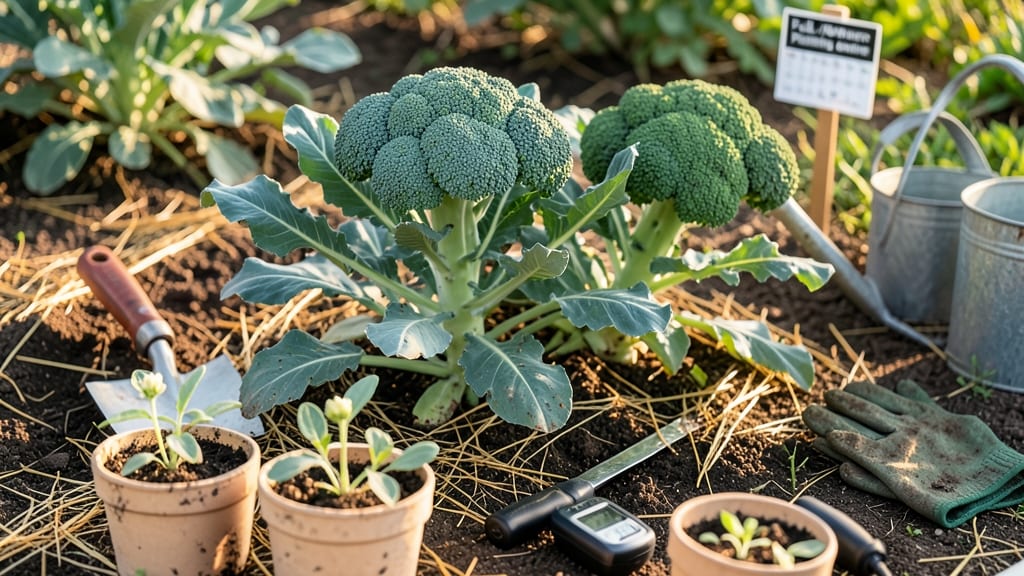
Planting broccoli in Arizona isn’t just about throwing seeds in the dirt—it’s about outsmarting the desert heat to grow tender, zero-bolt heads. The wrong timing can turn your garden into a sad, bitter disappointment, but get it right, and you’ll harvest fluffy, sweet crowns all winter long.
Here’s the secret: Arizona’s cool-season windows—September to October and February to March—are your golden tickets. These months let broccoli thrive in 60-75°F temps, avoiding the 100°F+ summers that send it bolting faster than a roadrunner on a mission.
Whether you’re in Phoenix’s low desert or Flagstaff’s cooler highlands, nailing these dates means fewer pests, no wasted effort, and a garden that actually works for you.
But timing alone won’t cut it. You’ll also need to prep your soil, shield seedlings from scorching sun, and know when to fertilize—because broccoli in Arizona demands a little extra TLC.
Let’s break down the exact steps to turn your backyard into a year-round harvest zone, no matter where you are in the state.
Ready to grow broccoli that’s bold, bright, and bolting-free? The clock’s ticking—literally. Grab your calendar and let’s get planting.
Best planting times for broccoli in Arizona’s cool-season zones
Arizona’s USDA Zone 9b climate demands precise timing to grow broccoli successfully. Unlike cooler states, Arizona’s two ideal planting windows—fall and early spring—align with cooler temperatures when broccoli thrives. Miss these windows, and you’ll battle heat stress and premature bolting, turning your crop into bitter, inedible stalks.
The key is planting when soil temperatures stay between 60-75°F—perfect for broccoli’s growth. In Arizona, this means focusing on September-October for fall crops and February-March for spring planting. High-elevation areas (like Flagstaff) can extend these windows slightly, while low-desert regions (like Phoenix) require extra heat protection.
| Planting Window | Ideal Months | Soil Temp (°F) | Key Notes |
|---|---|---|---|
| Fall Planting | September-October | 60-75°F | Direct sow or transplant; harvest by December. |
| Spring Planting | February-March | 60-75°F | Start seeds indoors in January; transplant after last frost. |
| High Elevation (e.g., Flagstaff) | August-September | 55-70°F | Cooler temps allow earlier planting; extend harvest. |
| Low Desert (e.g., Phoenix) | October-November | 65-75°F | Use shade cloth; avoid summer planting. |
For direct sowing, Arizona gardeners should plant seeds ¼ inch deep and space them 18-24 inches apart. This method works best in September when soil is warm but not scorching.
If you prefer transplanting, start seeds indoors 4-6 weeks before your target planting date—ideal for February-March spring crops.
Timing isn’t just about months—it’s about frost risk. In most of Arizona, the last frost date hovers around December 15, while the first frost typically arrives by January 10.
Planting too late in fall can expose broccoli to light frosts, which it tolerates but may stunt growth. To mitigate this, use row covers or choose fast-maturing varieties like ‘De Cicco’ (ready in 50-60 days).
Container gardening is another smart option for Arizona’s heat. Use 5-gallon pots with well-draining soil and plant in September or February. Containers warm up faster, so monitor soil temperature closely—keep it below 80°F to prevent bolting.
Place pots in partial shade during peak afternoon sun (12 PM–4 PM) to protect plants from extreme heat.
Succession planting can extend your harvest by 2-3 weeks. After your first planting in September, sow a second batch in early October for a staggered harvest. This works especially well in cooler microclimates like Sedona or Prescott, where temperatures drop faster in fall.
In low-desert areas, limit succession planting to one round to avoid heat stress.
One common mistake is planting broccoli in Arizona’s summer months. Soil temperatures can exceed 90°F, causing seeds to rot or plants to bolt immediately. Even shade cloth won’t fully protect broccoli from heat stress—it’s better to wait for cooler weather.
If you’re eager to grow in summer, consider heat-tolerant varieties like ‘Waltham 29’ and use drip irrigation to keep roots cool.
Pro tip: Test your soil’s pH level before planting—broccoli prefers 6.0-7.0. Arizona’s alkaline soils often need amendments like sulfur or peat moss to lower pH. Mix in 2-3 inches of compost at planting time to improve fertility and moisture retention.
Mulch with straw or wood chips to keep soil temperatures stable and reduce water evaporation.
By following these timing guidelines, you’ll avoid the heartbreak of bolted broccoli and enjoy a bountiful harvest twice a year. Whether you’re a low-desert gardener or a high-elevation enthusiast, Arizona’s climate offers plenty of opportunities—you just need to plant at the right time. 🌱
Best planting times for broccoli in Arizona’s cool-season zones
Arizona’s USDA Zone 9b climate demands precision when planting broccoli. Unlike northern states, we don’t get a long, cool growing season—just two narrow windows where broccoli thrives. Fall planting (September–October) is your best bet, followed by a spring window (February–March) for high-elevation areas.
Skip summer sowing unless you’re in the mountains, where cooler temps delay bolting.
The key is avoiding soil temps above 80°F, which triggers bolting (flowering). In Phoenix, that means no direct sowing after March 15.
For Tucson’s higher elevations, you might squeeze in a late spring crop, but yields will suffer. Transplants (not seeds) give you a 2-week head start on the heat—critical in Arizona’s short cool season.
| Planting Window | Best For | Soil Temp | Harvest Time |
|---|---|---|---|
| September–October | Fall harvest (Nov–Dec) | 60–75°F | Nov–Dec |
| February–March | Spring harvest (Apr–May) | 55–65°F | Apr–May |
| August (high elevation only) | Experimental (risk of bolting) | Below 75°F | Oct–Nov |
For low-desert areas (Phoenix, Tucson valleys), focus on September 1–15 planting. Use shade cloth (30–50%) if temps creep above 85°F. In high-desert regions (Flagstaff, Prescott), you can push planting to late October thanks to cooler nights.
Always check your last frost date—Arizona’s varies wildly by elevation (e.g., December 15 in Phoenix vs. January 10 in Sedona).
Direct sowing works, but transplants (4–6 weeks old) give you a 3-week advantage. Buy heat-tolerant varieties like ‘De Cicco’ or ‘Waltham 29’—they bolt 10–14 days later than standard types. Harden off seedlings for 5–7 days before planting to avoid transplant shock in our dry air.
Mulch with 2–3 inches of straw to keep soil temps stable. In containers, use black plastic pots to absorb heat (but monitor moisture—desert winds dry them fast). Water deeply every 2–3 days at the base, never overhead. This prevents disease and bolting from stress.
Timing isn’t just about months—it’s about microclimates. A north-facing garden in Phoenix stays 10°F cooler than a south-facing bed. Use this to your advantage: plant heat-sensitive varieties in shaded spots. For container growers, move pots to shaded patios by 11 AM in summer to extend the season.
Pro tip: Start a second crop in late February for a spring harvest. Use row covers to protect from late frosts (yes, they happen in Arizona!). With these windows, you’ll avoid the bitter, woody broccoli that’s a summer gardener’s nightmare.