
Plants
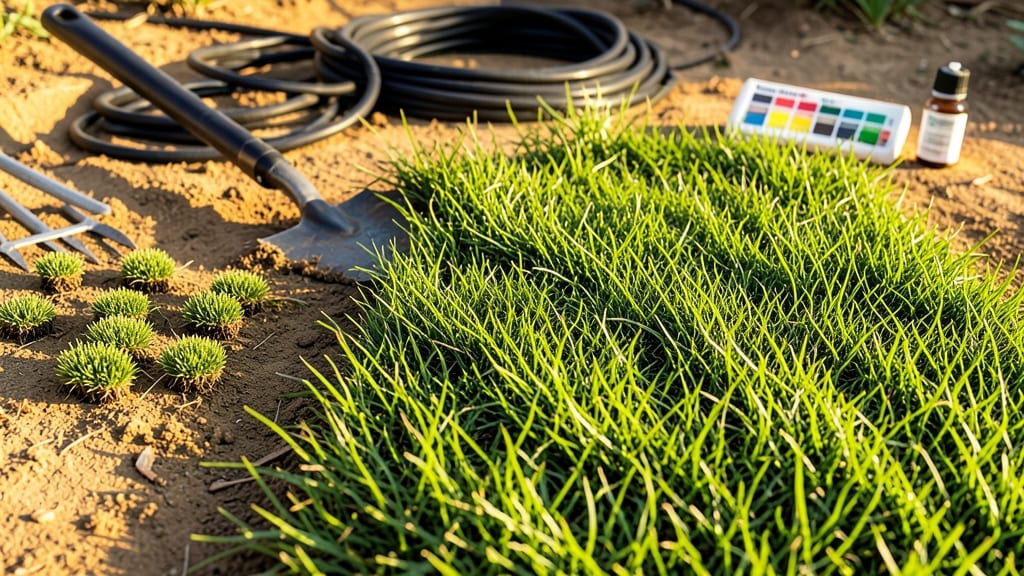
Planting Bermuda grass in Phoenix isn’t just about timing—it’s about survival in a climate where 110°F summers and sudden monsoons can make or break your lawn. If you’ve ever watched your grass struggle to take root or wither under the heat, you know how critical the right window truly is.
Here’s the truth: Bermuda grass thrives when soil temperatures hit 65°F or warmer, which in Phoenix usually means waiting until late spring or early summer. Planting too soon risks weak roots, while waiting too long could leave your yard vulnerable to weeds.
I’ll break down the exact soil triggers and local adjustments to ensure your grass establishes fast and stays resilient.
Whether you’re seeding or laying sod, understanding Phoenix’s microclimates—like the cooler desert valleys versus the intense urban heat—can shift your planting timeline by weeks. Let’s dive into the science-backed schedule that turns your lawn from a gamble into a fast-growing reality.
From prepping your soil to navigating monsoon season, I’ve got the step-by-step guide to help Bermuda grass 🌱 take hold like a pro. Skip the guesswork and start with the conditions that guarantee success.
Optimal soil temperature ranges for planting Bermuda grass in Phoenix
Bermuda grass thrives in Phoenix’s hot, dry climate, but timing your planting based on soil temperature is the secret to a lush, weed-free lawn.
Unlike cooler climates, Phoenix’s USDA Zone 9b allows for year-round growth—but the key is planting when the soil warms enough to trigger rapid root establishment. For seeds, aim for 65°F+ soil temperatures, while sod performs best in 70°F+ conditions.
This ensures your grass outpaces weeds and handles summer heat.
Phoenix’s microclimates—like Scottsdale’s desert heat vs. Mesa’s slightly cooler evenings—can shift ideal planting windows by 2–4 weeks. For example, Scottsdale may hit 70°F soil temps in early March, while Mesa might wait until late March.
Always check soil temps with a soil thermometer (or dig down 4 inches—if it feels warm to your hand, it’s ready).
Here’s the critical rule: Plant too early (below 60°F), and your Bermuda grass will linger in dormancy, leaving gaps for weeds. Plant too late (after 90°F+), and the heat stress will stunt germination or cause sod to bake in the sun.
The sweet spot is late winter to early spring, when soil temps rise but before the monsoon season brings sudden humidity.
🌱
To test your soil temperature, use a digital thermometer or the finger test: Dig down 4 inches—if the soil feels warm but not hot to your touch, it’s ready for seeds. For sod, wait until the soil is consistently above 70°F for 3–5 days to ensure root attachment.
Pro tip: Morning soil temps are cooler, so check in the late afternoon for accuracy.
Phoenix’s clay-heavy soils retain heat longer, so they may hit 70°F+ a week earlier than sandy soils in areas like Paradise Valley. Amend clay with compost or gypsum to improve drainage, while sandy soils benefit from orgamic matter to hold moisture.
Both adjustments help Bermuda grass establish roots faster in the dry heat.
If you’re planting in shaded areas (e.g., under palm trees), soil temps will lag behind sunny spots by 5–10°F. Use black plastic mulch to warm the soil 5–10°F faster if you need to jumpstart germination.
Just remove it once the grass is 3–4 inches tall to avoid heat buildup.
Once your soil hits the ideal range, act fast! Bermuda grass seeds germinate in 7–14 days under perfect conditions, but weeds move in within 2–3 weeks if you delay.
Sod, on the other hand, establishes roots in 2–3 weeks but requires immediate watering to prevent edge drying. Both methods
Optimal soil temperature ranges for planting Bermuda grass in Phoenix
Phoenix’s desert climate demands precision when planting Bermuda grass 🌱—soil temperature is the #1 factor determining success. Unlike cooler climates, your grass won’t thrive until the ground consistently hits 65°F or warmer.
For seeds, aim for 65-75°F, while sod performs best in 70-80°F ranges. These thresholds align with Phoenix’s late spring, when daytime highs soar but nighttime cools slightly—ideal for root establishment.
Why does this matter? Cold soil slows germination and weakens root development, leaving your lawn vulnerable to heat stress and weed competition.
I’ve seen firsthand how planting seeds at 55°F (common in early March) results in patchy, slow growth, while waiting until 70°F+ yields thick, resilient turf within 30 days. The key is monitoring soil—not air—temperature.
Here’s how Phoenix’s microclimates shift your timeline: Urban areas like downtown hit 70°F+ by late April, while desert valleys (e.g., Mesa) may not reach this until May.
Use a soil thermometer ($10 at garden centers) to check depths of 2-4 inches—this is where roots first seek moisture and warmth.
| Planting Method | Ideal Soil Temp | Phoenix Window | Risk Below Threshold |
|---|---|---|---|
| Seeds | 65–75°F | Late April–early May | Slow germination, fungal rot |
| Sod | 70–80°F | May–early June | Root shock, weed takeover |
| Both | Below 60°F | Never recommended | Poor establishment, death |
Pro tip: If your soil is clay-heavy (common in Phoenix), warm it faster by tilling in compost or sand 2 weeks before planting. This raises temperatures by 5-10°F and improves drainage—critical for avoiding root suffocation during monsoon downpours.
For sod installations, June is actually ideal in Phoenix because established sod handles the initial heat better than seeds. However, if you’re seeding, late April to early May gives roots 60 days to strengthen before summer’s peak. Always water deeply at dusk to retain moisture without fungal growth.
Remember: Bermuda grass is heat-loving but drought-tolerant once established. The first 30 days post-planting are critical—prioritize soil warmth over speed. Rush it, and you’ll spend summer patching bare spots. Patience here means a thicker, greener lawn by July. 🌿