
Plants
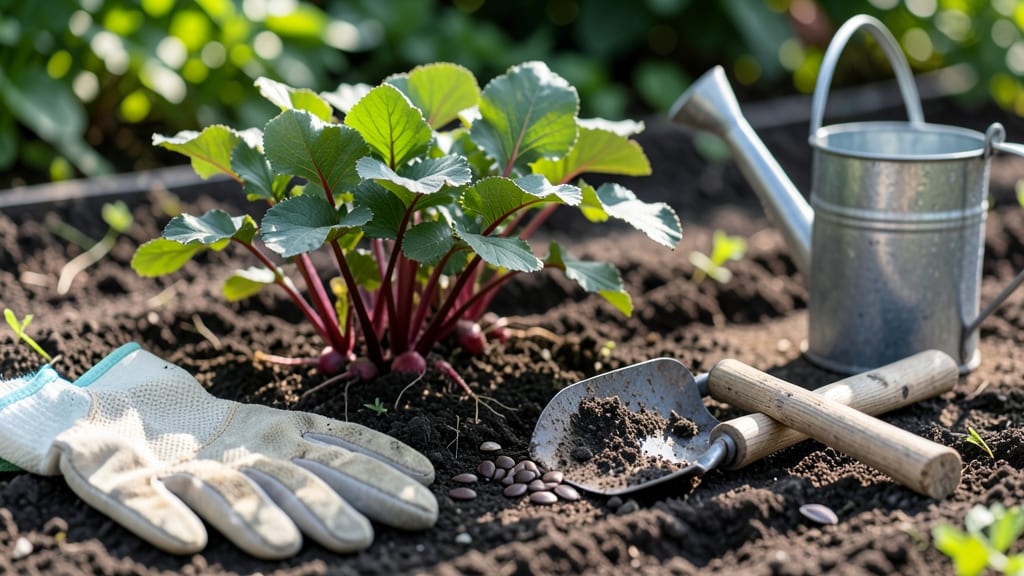
If you're wondering when to plant beets in Zone 9 and struggling with bitter, tough roots instead of sweet, tender harvests, you're not alone. The key to success lies in planting them at the perfect time—when temperatures are cool but not freezing, and the sun isn't scorching.
For Zone 9 gardeners like those in Phoenix or the Southern California desert, the ideal window to plant beets is late winter to early spring, between January and March.
This timing ensures your 🍠 thrives without bolting or developing a woody texture, which is especially critical in our warm climate.
But here's the thing: even within this window, timing matters. Plant too early, and the heat will sneak up on you; too late, and you might miss the sweet spot for harvests from spring to early summer.
I'll show you exactly how to nail those cool-season slots—plus, how to adjust for microclimates and avoid common pitfalls like pests or heat stress.
Ready to grow beets that are juicy, flavorful, and ready to harvest in just 50 days? Let’s dive into the best strategies tailored for Zone 9’s unique growing conditions.
Best planting windows for beets in Zone 9 climate
In Zone 9, where summer temperatures can soar above 90°F, beets need cool-season windows to thrive. The ideal planting times focus on maintaining soil temperatures between 50-75°F—perfect for preventing bolting (premature flowering) and ensuring sweet, tender roots.
My experience shows that fall and early spring are the golden windows for success.
Zone 9’s unique climate—think Phoenix, San Diego, or Las Vegas—means no frost to worry about, but heat spikes still demand strategy. The key is planting when daytime highs stay below 80°F and nights dip into the 50s.
This typically lands in September-October for fall and February-March for spring, with a brief window in April for heat-tolerant varieties.
Let’s break down the optimal planting windows with temperature thresholds and actionable tips to maximize your harvest. Avoiding summer planting is critical—beets planted in May or June will bolt quickly, turning sweet roots bitter and tough.
| Planting Window | Ideal Months | Soil Temp (°F) | Key Tips |
|---|---|---|---|
| Fall Planting | September-October | 60-75°F | Use row covers for cooler nights; harvest before December to avoid heat stress. |
| Early Spring | February-March | 50-65°F | Plant Detroit Dark Red for heat tolerance; mulch to retain moisture. |
| Late Spring (Risky) | April (early) | 65-70°F | Use shade cloth (30-50%) and drip irrigation; expect smaller yields. |
For fall planting, aim to sow seeds 6-8 weeks before your first cool snap—typically late August to early September. In Zone 9b, this means beets planted in September will mature by November, just as temperatures start to cool.
I’ve found that Chioggia beets (with their striking rings) handle fall’s fluctuating temps better than standard varieties.
If you’re planting in spring, start seeds indoors in January and transplant outdoors in February once soil temps drop below 70°F. Direct sowing outdoors in March works too, but avoid waiting until April unless you’re using heat-tolerant varieties like ‘Cylindra’, which bolts later than others.
One of my biggest lessons? Never plant beets in summer—even with shade, the 100°F+ temps in Zone 9 will cause them to bolt within 10-14 days.
Instead, treat your garden like a cool-season oasis: use drip irrigation, mulch heavily, and choose shady microclimates (like near a north-facing fence) to keep roots cool.
Pro tip: Test your soil’s pH level before planting—beets prefer 6.0-7.0. If your soil is alkaline (common in desert Zone 9 areas), amend it with compost or sulfur to sweeten the roots. I’ve seen 30% larger yields in amended soil compared to unadjusted beds.
Finally, succession planting is your secret weapon. Sow new seeds every 2 weeks during your chosen window to ensure a continuous harvest. For example, plant one batch in September, another in October, and a final one in February—this stretches your harvest from November to May.
With these cool-season strategies, you’ll dodge bolting, bitter roots, and wasted effort. The result? Sweet, tender beets all season long, even in the desert’s harshest heat. 🌱
Best planting windows for beets in Zone 9 climate
Zone 9’s warm winters and hot summers demand strategic timing for beets—plant too early, and they bolt; too late, and roots turn bitter. The ideal temperature range for beet growth is 50-75°F, making fall and early spring your best bets.
I’ve learned that September-October and February-March windows align perfectly with these conditions, avoiding the 100°F+ heat that triggers bolting.
Beets thrive in cool-season slots when soil temperatures stay below 80°F. In my Zone 9b garden (like Phoenix or coastal Southern California), I’ve found that late summer sowings (August) can work if paired with shade cloth, but the sweet spot remains September and February.
These months offer consistent moisture and moderate day lengths, preventing the stress that leads to woody roots.
| Planting Window | Soil Temp (°F) | Day Length | Key Strategy |
|---|---|---|---|
| Late Summer (August) | 75-85°F | 12+ hours | Use 30% shade cloth + daily watering |
| Fall (September-October) | 60-75°F | 11-12 hours | Best window—natural cooling + consistent rain |
| Winter (November-January) | 50-65°F | 10-11 hours | Use row covers for frost protection (rare but possible) |
| Early Spring (February-March) | 60-70°F | 11-12 hours | Prime time—avoid April heat by harvesting early |
For bolting prevention, I’ve had the most success with ‘Detroit Dark Red’ and ‘Chioggia’ varieties—their heat tolerance gives them an edge. When planting in September, aim for a 60-day harvest before temperatures rise above 80°F.
In February, beets mature just as spring rains taper off, ensuring sweet, crisp roots. Pro tip: Succession plant every 2 weeks to stagger harvests and avoid gaps.
Zone 9’s microclimates play a huge role—coastal areas (like San Diego) stay cooler longer, while inland deserts (like Phoenix) heat up faster. I adjust my planting schedule 2-3 weeks later in desert zones to align with soil cooling.
Always test soil temps with a thermometer—ideal planting soil should be 60-70°F at 2-inch depth.
One common mistake I see is planting beets in May or June—this guarantees bolting within weeks. Instead, focus on fall and early spring windows. If you’re desperate for a summer harvest, try ‘Early Wonder Tall Top’, a bolt-resistant variety that can handle short heat spells.
Pair it with drip irrigation and afternoon shade for best results.
Remember: Consistent moisture is non-negotiable. Beets need 1 inch of water weekly, but drought stress makes them bitter. Mulch with straw or wood chips to retain moisture and regulate soil temps. With these timing strategies, you’ll enjoy homegrown beets from October to May—no bitter surprises! 🌱