
Plants
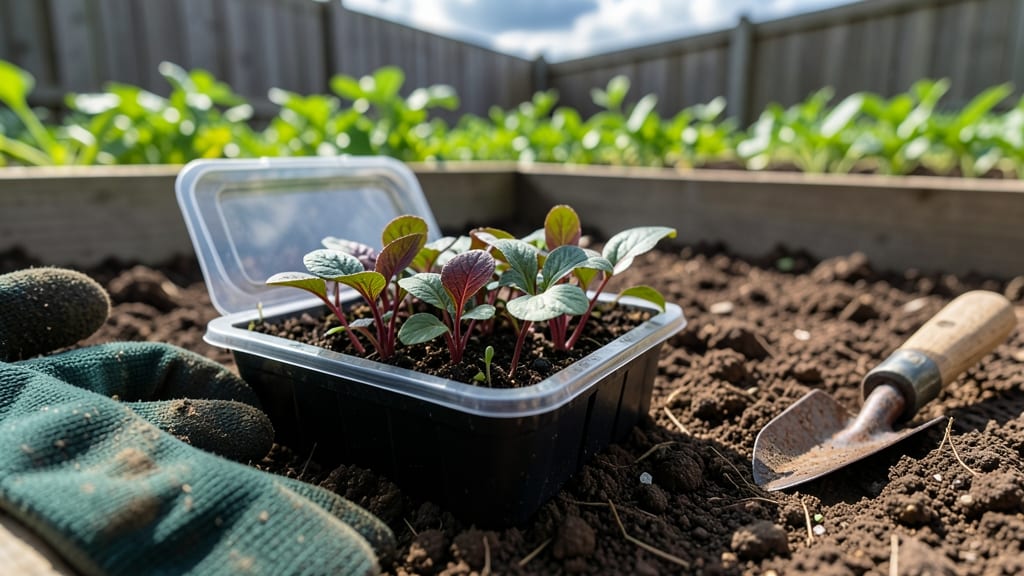
Timing is everything when it comes to growing sweet, tender beets in Zone 5—plant them too late, and you’ll end up with bitter roots or wasted effort.
The secret to success lies in knowing the exact weeks before your first frost to sow these earthy gems for the most flavorful harvest.
Beets like it cool, so spring and fall are your best bets in Zone 5. If you plant too early, they’ll bolt in the heat; too late, and frost will ruin your crop.
I’ll break down the ideal planting windows—plus soil prep tips and companion plants—to ensure your 🍠 thrives from seed to harvest.
Most gardeners in Zone 5 miss the sweet spot because they don’t account for soil temperature or frost dates. But with the right timing, you can enjoy fresh beets for weeks.
Let’s dive into the perfect schedule for planting, spacing, and succession crops so you never run out of homegrown goodness.
Whether you’re a first-time gardener or a seasoned pro, these insights will help you grow beets that are sweeter, larger, and ready to harvest at just the right moment. Ready to transform your garden? Let’s get started.
Zone 5 beet planting calendar: exact weeks before first frost
Timing is everything when growing beets in Zone 5. These cool-weather crops bolt (go to seed) quickly when temperatures rise, so planting too late in spring or too early in fall can ruin your harvest.
The key is working with your last frost date (typically mid-April) and first frost date (usually mid-October) in Zone 5.
For sweetest roots, aim to harvest beets 45-70 days after planting, before summer heat sets in. This means starting seeds 4-8 weeks before your last frost for spring crops and 8-10 weeks before your first frost for fall planting. Let’s break down the exact windows to maximize your yield.
| Planting Window | Ideal Planting Time | Soil Temperature | Harvest Window | Notes |
|---|---|---|---|---|
| Early Spring | 4-6 weeks before last frost (early March) | 40-50°F (4-10°C) | Late May - Early June | Use row covers for frost protection. |
| Late Spring | 2-3 weeks before last frost (late March) | 50-60°F (10-15°C) | June - Early July | Best for heat-tolerant varieties like 'Detroit Dark Red'. |
| Fall | 8-10 weeks before first frost (early July) | 50-60°F (10-15°C) | September - Early October | Plant in partial shade for cooler roots. |
| Late Fall | 6-8 weeks before first frost (mid-August) | 45-55°F (7-13°C) | October - Early November | Use cold-hardy varieties like 'Ruby Queen'. |
Your soil temperature is the most critical factor for germination. Beet seeds won’t sprout until the soil reaches 40°F (4°C), but ideal conditions are 50-60°F (10-15°C). Use a soil thermometer to check before planting—cold, wet soil can delay or prevent germination entirely.
For spring planting, I recommend starting with a 4-6 week head start (early March) to ensure you harvest before summer heat arrives. If you’re in a cooler microclimate, you can push this to 3 weeks before last frost.
Always use row covers or cold frames to protect young seedlings from late frosts.
Fall planting is trickier but rewarding. Start seeds 8-10 weeks before your first frost (early July) to ensure roots mature before cold sets in. If you live in a warmer microclimate within Zone 5, you might extend this to late July. Choose bolting-resistant varieties like 'Cylindra' for fall harvests.
Pro tip: Direct-sow seeds—beets hate transplanting. Plant them ½ inch deep, 1-2 inches apart, and thin seedlings to 3-4 inches apart once they’re 2 inches tall. This spacing prevents overcrowding and ensures sweet, tender roots.
If you’re eager for an extended harvest, consider succession planting every 2-3 weeks from early spring through mid-summer. This way, you’ll always have fresh beets ready to harvest before they bolt or become woody.
Remember, beets are biennial, meaning they’ll overwinter and flower the following year. If you plant too late in fall, they may bolt prematurely. Always prioritize cool-season varieties for Zone 5’s unpredictable weather patterns.
Zone 5 beet planting calendar: exact weeks before first frost
In Zone 5, the last frost date typically falls around mid-April, while the first frost arrives by mid-October. Beets need cool soil temperatures (50-70°F) to germinate and grow sweet roots, making spring and fall your best planting windows.
Planting too early risks bolting, while late planting may result in frost damage.
For spring planting, aim to sow beet seeds 4-6 weeks before your last frost—usually between late March and early April. This gives them enough time to mature before summer heat sets in.
In fall, plant 8-10 weeks before the first frost, around late July to early August, for a late-season harvest.
Soil temperature is critical—beets won’t sprout well in cold soil. Wait until the ground reaches at least 50°F for spring planting. A soil thermometer helps avoid delays. If your soil is too cold, consider using row covers to warm it up faster.
🌱 Zone 5 Beet Planting Timeline
| Season | Planting Window | Soil Temp | Weeks Before Frost |
|---|---|---|---|
| Spring | Late March - Early April | 50-70°F | 4-6 weeks |
| Fall | Late July - Early August | 50-65°F | 8-10 weeks |
To maximize your harvest, sow seeds every 2-3 weeks during the planting window. This ensures a continuous supply of beets and prevents overcrowding. For example, start your first batch in late March, then follow up with additional plantings in early April.
This staggered approach also reduces the risk of pests or disease wiping out your entire crop.
If you’re using transplants instead of seeds, wait until the soil is consistently 60°F or warmer and plant them 3-4 weeks before your last frost. Transplants are less common for beets, but they can work if you start them indoors under grow lights. Just be gentle when transplanting—they’re delicate!
Finally, always test your soil pH before planting. Beets prefer a slightly acidic to neutral range of 6.0-7.0. If your soil is too alkaline, amend it with compost or sulfur to improve nutrient uptake. Sweet roots start with the right conditions—so don’t skip this step!