
Plants
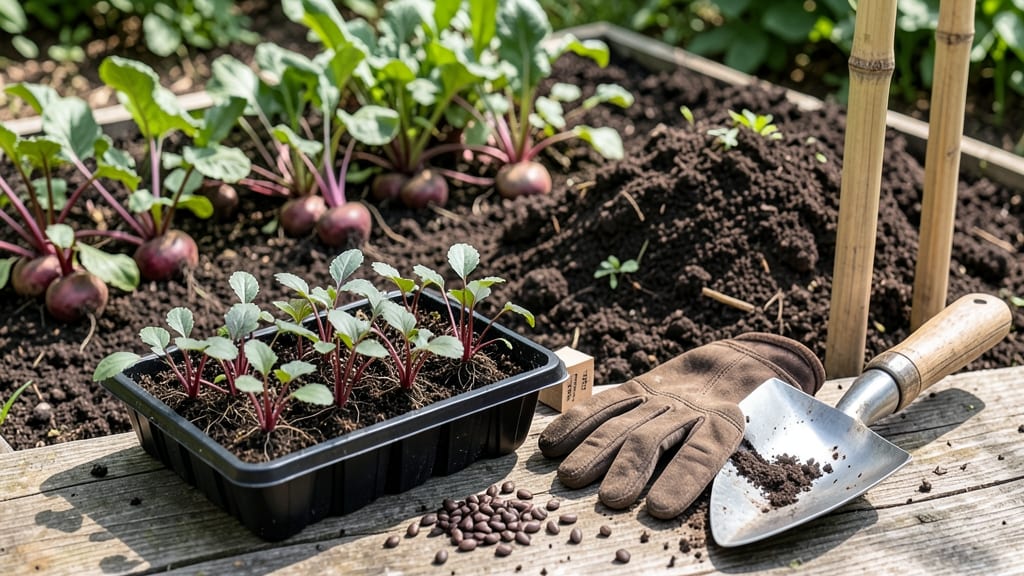
Knowing when to plant beets in Zone 6b could mean the difference between a bountiful harvest and bitter disappointment—especially when you’re eyeing those deep, earthy roots in your garden. 🍠 Beets thrive in cooler weather, but timing matters because planting too early risks bolting (those unwanted flower stalks), while waiting too long might stunt growth before summer heat sets in.
In Zone 6b, where last frosts typically arrive around April 15, the sweet spot is planting 4-6 weeks before that date for spring harvests. That means late February to early March is your window to get seeds in the ground.
But don’t stop there—late summer planting (July to August) also works, giving you a second chance for a fall harvest just before the first frost in mid-October.
Why does this matter? Because beets are finicky about temperature and soil conditions. Too much heat, and they bolt; too little time to mature, and you’re left with tiny, tough roots.
I’ll show you how to nail the timing, adjust for Zone 6b’s quirks, and even extend your growing season for a steady supply of sweet, tender beets all year.
Ready to grow beets that rival the ones at the farmers’ market? Let’s break down the exact steps—from soil prep to spacing—to ensure your beets grow big, bold, and ready for harvest just when you need them.
Zone 6B beet planting calendar: exact weeks before last frost for success
In Zone 6B, where the last frost typically arrives around April 15, timing your beet planting is critical to avoid bolting or stunted growth.
Beets thrive in cool soil temperatures (50-70°F), so planting too early risks exposure to cold snaps, while waiting too long can lead to bitter roots. The sweet spot? Start seeds 4-6 weeks before your last frost date—usually in early March—for a spring harvest.
For a fall harvest, sow seeds 8-10 weeks before the first frost, which in Zone 6B is around October 15. This means planting in late July to early August ensures roots mature before winter sets in.
Fall-planted beets often develop sweeter flavors due to cooler temperatures, but they must be harvested before hard frosts damage the foliage.
Here’s the exact planting schedule for Zone 6B, including soil prep and thinning tips to maximize your yield:
| Stage | Action | Zone 6B Timeline |
|---|---|---|
| Soil Prep | Loosen soil to 12" deep, amend with compost, and ensure pH is 6.0-7.0 | Late February - Early March (for spring) / Late June - Early July (for fall) |
| Sow Seeds | Plant seeds ½" deep, 1-2" apart, in rows 12" apart | Early March (spring) / Late July (fall) |
| Thin Seedlings | Thin to 2-3" apart when seedlings are 2" tall | 4-6 weeks after sowing |
| Harvest Spring | Pull roots when 1-3" in diameter (50-60 days after sowing) | Late May - June |
| Harvest Fall | Harvest before first frost (October 15) | September - Early October |
Pro tip: Use row covers or cold frames to extend your spring planting window by 2-3 weeks. This protects young seedlings from late frosts and gives you an earlier harvest. Just remove covers once soil temperatures consistently stay above 50°F during the day.
If you’re planting for storage, choose late-maturing varieties like ‘Detroit Dark Red’ and sow seeds in early July. These roots can tolerate cooler fall temperatures and store well in a cool, dark place for up to 3 months.
For fresh eating, prioritize early varieties like ‘Babybeat’ or ‘Golden’ for a quicker turnaround.
Zone 6B’s unpredictable spring weather can throw off even the best-laid plans. To hedge your bets, plant a second succession 2 weeks after your initial sowing. This ensures a steady supply of beets regardless of whether the first batch bolts or struggles in cold soil.
Just mark your calendar for April 1-15 as your ideal window for the second round.
One common mistake in Zone 6B is planting beets too shallowly. Seeds need consistent moisture to germinate, so bury them ½ inch deep and keep the soil evenly moist until sprouts appear.
Use a mulch layer (straw or shredded leaves) to retain moisture and suppress weeds, which is especially helpful during Zone 6B’s dry spells in late spring.
For a year-round beet supply, combine spring and fall plantings with a small winter harvest. Plant a final batch in mid-August using row covers to protect young plants.
These beets may mature slower but can be harvested in November before hard frosts set in. Just avoid fertilizing in late summer, as it encourages leafy growth over root development.
Finally, always check your local frost dates—they can vary slightly from year to year. Use the Almanac’s Frost Calculator (or your county extension office) to fine-tune your planting schedule.
With these exact weeks and a little flexibility, you’ll enjoy sweet, homegrown beets from spring through fall in Zone 6B! 🌱
Zone 6B beet planting calendar: exact weeks before last frost for success
In Zone 6b, where the average last frost date is April 15, timing your beet planting is all about working backward from that date.
Beets need 50-60 days to mature, so aim to plant 4-6 weeks before your last frost—typically late February to early March for a spring harvest. This window ensures your beets grow quickly before summer heat triggers bolting.
For a fall harvest, plant again in late July to early August, giving them enough time to mature before the first frost around October 15. This two-season approach guarantees a steady supply of sweet, tender roots.
The key is avoiding both extremes: planting too early risks frost damage, while waiting too long can lead to small, tough roots.
| Planting Window | Weeks Before Frost | Soil Temp | Harvest Window |
|---|---|---|---|
| Late February - Early March | 4-6 weeks | 45-50°F | June - July |
| Late July - Early August | 8-10 weeks | 50-60°F | October - November |
Check your local frost dates annually, as they can shift slightly. For example, if your last frost is April 20, plant March 20-25 for spring beets. Use a soil thermometer to confirm temperatures are above 45°F—cold soil delays germination.
In Zone 6b, early spring can be unpredictable, so be ready to cover seedlings with row fabric if nighttime temps dip below 30°F.
For succession planting, sow new seeds every 2-3 weeks from March through July. This staggered approach ensures a continuous harvest and reduces the risk of bolting from heat stress.
For example, if you plant on March 1, follow up with seeds on March 15, April 1, and so on. This method works especially well for baby beets, which mature in just 40 days.
If you miss the spring window, don’t panic—late summer planting is your backup plan. In Zone 6b, July and August offer warm days and cool nights, ideal for beets.
Focus on heat-tolerant varieties like ‘Detroit Dark Red’ or ‘Chioggia’ to avoid bolting. Mulch heavily to keep soil cool and retain moisture, which is critical during summer’s dry spells.
Pro tip: Mark your calendar with two key dates—your last frost date and the first frost date—then work backward and forward to plan your planting schedule. With this approach, you’ll enjoy fresh beets from June through November, even in Zone 6b’s variable climate. 🌱