
Plants
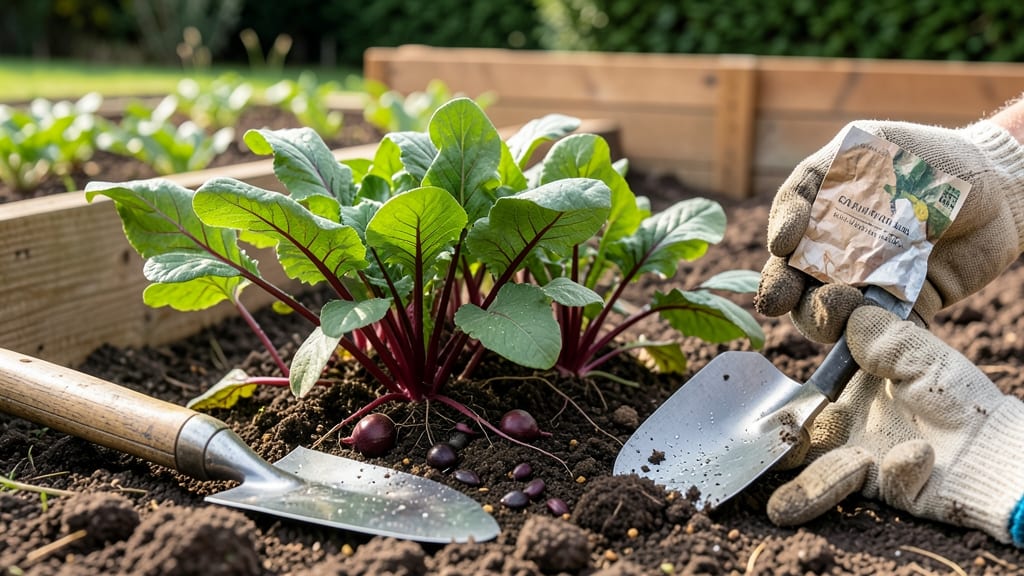
Knowing when to plant beets in Zone 7B can mean the difference between a bountiful harvest and wasted effort. These earthy, nutritious roots thrive when sown at just the right time—too early and frost zaps their potential, too late and they bolt before you get that tender crunch.
In Zone 7B, where last frosts typically linger around mid-April, timing is everything. Plant your beet seeds 4–6 weeks before your average last frost date to ensure they establish strong roots before summer heat sets in.
This usually lands you in early March for your first spring batch, with a late-summer follow-up in August for a fall harvest.
But here’s the catch: beets hate heat stress, which is why succession planting becomes your best friend. By spacing out your sowings every 2–3 weeks, you’ll stretch your harvest from late spring through crisp fall days. And don’t overlook soil prep—rich, well-drained earth is non-negotiable for sweet, tender roots.
I’ll walk you through the exact weeks to plant, how to adjust for Zone 7B’s unpredictable summers, and the companion plants that’ll keep your beets thriving. Let’s get those 🍠 growing!
Best planting weeks for beets in zone 7B: exact timeline before last frost
In Zone 7B, beets thrive when planted during two key windows: early spring and late summer. The exact timing depends on your average last frost date (typically around April 15 in this zone) and soil temperatures.
For most gardeners here, the ideal planting window is 4–6 weeks before your last frost—usually between mid-March and early April.
Beets are cool-season crops, meaning they prefer temperatures between 50°F and 75°F for optimal growth. Planting too early when soil is still cold (45°F or below) can stunt germination. Use a soil thermometer to confirm your soil is at least 50°F before sowing seeds.
If you miss the spring window, don’t worry—beets also grow well in late summer for a fall harvest. Aim to plant 8–10 weeks before your first frost (around early September in Zone 7B).
This gives them enough time to mature before temperatures drop below 30°F, which can damage the roots.
Here’s a quick reference for Zone 7B gardeners: Spring planting ensures a harvest by late May to June, while fall planting yields beets ready by October to November. Both windows avoid the heat stress of summer, which can cause bolting (premature flowering).
| Planting Window | Soil Temperature | Days to Harvest | Harvest Months |
|---|---|---|---|
| Early Spring (March–April) | 50°F–65°F | 50–70 days | May–June |
| Late Summer (August–Early Sept) | 55°F–70°F | 45–60 days | October–November |
To calculate your exact planting dates, check your local USDA Plant Hardiness Zone Map for precise frost dates. For example, if your last frost is April 20, plant beets 4–6 weeks prior (around March 8–15). Use a gardening calendar to track progress and adjust for any late frosts.
For a continuous harvest, consider succession planting every 2–3 weeks during the spring window. This ensures you’re always enjoying fresh beets without overwhelming your garden at once. Just remember: thin seedlings to 3–4 inches apart to prevent competition and improve root size.
One common mistake in Zone 7B is waiting too long to plant in spring, only to face bolting (flowering) as temperatures rise. To avoid this, choose heat-tolerant varieties like 'Detroit Dark Red' or 'Golden' and plant in partial shade during peak summer months if needed.
Always test your soil’s pH level (ideal: 6.0–7.0) before planting. Amend with compost or well-rotted manure to improve drainage and fertility. Beets are heavy feeders, so enriching the soil beforehand ensures sweeter, more tender roots.
Finally, mark your calendar for fall planting by early September to avoid the heat. Use mulch to regulate soil temperature and retain moisture, especially as summer transitions to fall. With these precise timing tips, you’ll enjoy a bountiful beet harvest twice a year in Zone 7B!
Best planting weeks for beets in zone 7B: exact timeline before last frost
In Zone 7B, beets thrive when planted 4–6 weeks before your average last frost date, which typically falls around April 15. This gives seedlings enough time to mature before summer heat sets in.
For most of Zone 7B, that means starting seeds indoors or sowing directly in late February to early March for an early spring harvest.
Beets are cool-season crops, so they also perform well in late summer for a fall harvest. Aim to plant your second crop 8–10 weeks before your first frost—usually mid-August to early September in Zone 7B. This ensures roots mature before winter chills arrive.
Soil temperature is critical: beets germinate best when soil reaches 45–55°F. Use a soil thermometer to confirm readiness before sowing. If your soil is too cold, seeds may rot instead of sprouting.
| Planting Window | Best Months | Soil Temp | Weeks Before Frost |
|---|---|---|---|
| Spring Planting | Late February–March | 45–55°F | 4–6 weeks |
| Fall Planting | Mid-August–Early Sept | 50–60°F | 8–10 weeks |
To calculate your exact last frost date, check your local USDA Plant Hardiness Zone Map or use a frost calendar for your city. For example, in Raleigh, NC (Zone 7B), the average last frost is March 28, so plant beets by March 1 for a spring harvest.
For a continuous supply, practice succession planting every 2 weeks during the spring window. This ensures fresh beets all season long without overcrowding your garden. In Zone 7B, you can even squeeze in a third planting in late July for a late-fall harvest.
Always choose heat-tolerant varieties like 'Detroit Dark Red' or 'Chioggia' for Zone 7B’s summers. These varieties handle warmer soil temperatures better than standard types, reducing the risk of bolting or bitter roots.