
Companion Plants
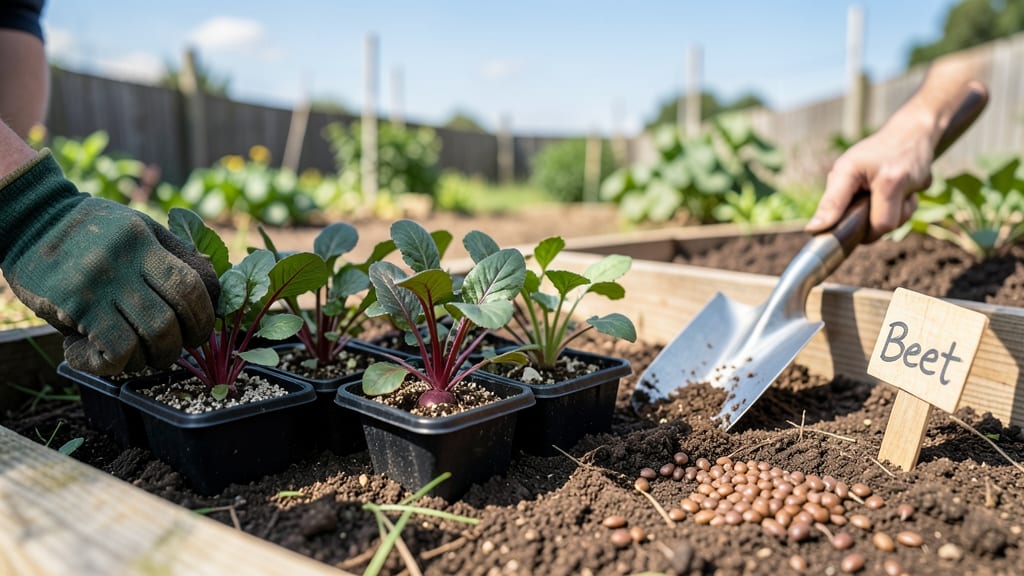
Timing your beet 🍠 planting in Zone 6 can make the difference between a bountiful harvest and a disappointing flop—especially when you're eager for fast germination and tender roots.
If you've ever wondered why your beets bolt too early or struggle to thrive, the answer likely lies in when (and how) you plant them.
Zone 6 gardeners have a narrow window to get this right, but with the right strategy, you can enjoy sweet, crisp beets from early spring through late summer. The key is understanding your last frost date—typically around mid-April—and how soil temperature affects germination speed.
Plant too early, and cold soil slows things down; too late, and you risk bolting before harvest.
In this guide, I’ll break down the exact weeks before last frost to plant for maximum yield, plus tips to extend your harvest season without risking bitter or woody roots.
Whether you're a first-time grower or a seasoned gardener, these insights will help you grow faster, more reliable beets all season long.
From soil prep to succession planting, we’ll cover everything you need to know to turn your Zone 6 garden into a beet powerhouse. Let’s get those seeds in the ground at the perfect time!
Optimal planting weeks before last frost in Zone 6 for maximum yield
In Zone 6, timing your beet planting is crucial for avoiding bolting and ensuring fast germination. The last frost date typically falls around April 15, but soil temperature matters more than calendar dates.
Aim to plant 4-6 weeks before your last frost when soil reaches 40-50°F—this gives seeds time to sprout before warmer weather arrives.
Beets are cold-hardy and can tolerate light frosts, but they’ll bolt (go to seed) if exposed to consistent temperatures above 75°F. This means your best planting window is between mid-March and early May, with a secondary window in late summer for fall harvests.
Let’s break down the exact timing and soil conditions you need to succeed.
🌱 Pro Tip: Use a soil thermometer to confirm 40-50°F soil temps before planting—this is your green light for germination.
| Planting Window | Soil Temperature | Germination Time | Notes |
|---|---|---|---|
| Early Spring (March - April) | 40-50°F | 5-14 days | Best for spring harvests; avoid planting too early if soil is frozen. |
| Late Summer (August - Early Sept) | 50-60°F | 7-10 days | Ideal for fall harvests before first frost (Oct 15). |
| Avoid Planting | Above 75°F | N/A | Beets will bolt and taste bitter. |
For early spring plantings, start seeds indoors 4-6 weeks before your last frost if you’re eager to get a head start. However, beets germinate best in direct-sown soil, so transplant seedlings carefully to avoid stress.
If you’re sowing directly, aim for 4-6 weeks before last frost—this gives roots enough time to establish before summer heat arrives.
In Zone 6, your last frost date is around April 15, so count backward: April 15 - 4 weeks = March 15 (earliest safe planting). Use black plastic mulch to warm soil faster if needed, but avoid planting too early—frozen soil delays germination.
If you miss the spring window, don’t despair! Beets also thrive in late summer. Plant 8-10 weeks before first frost (around August 15) for a fall harvest. This second planting avoids summer heat while still giving roots time to mature before winter sets in.
💡 Key Insight: Beets need consistent moisture but hate soggy soil. Use drip irrigation or soaker hoses to keep soil evenly moist without waterlogging.
To maximize your harvest, pair your beet planting with succession sowing: plant every 2-3 weeks from March to May, then again in August. This ensures a continuous supply of fresh beets without overwhelming your garden at once.
Finally, remember that soil preparation is half the battle. Amend your soil with compost before planting—beets prefer loamy, well-draining soil with a pH of 6.0-7.0. A little extra effort here pays off with sweeter, larger roots and fewer pests.
Optimal planting weeks before last frost in Zone 6 for maximum yield
In Zone 6, timing your beet planting is everything. Beets thrive when soil temperatures stay between 40°F and 75°F, making early spring and late summer the perfect windows.
For fast germination (5-14 days), aim to plant 3-4 weeks before your last frost date—typically mid-March in most of Zone 6.
Beets are frost-tolerant, so you can even start seeds 2-3 weeks before the last frost if your soil isn’t workable yet. Just cover the bed with row fabric to protect tender seedlings.
The key is balancing cool soil with warm air—too hot, and they bolt; too cold, and germination slows.
🌱 Zone 6 Beet Planting Timeline
| Stage | Action | Soil Temp |
|---|---|---|
| Early Spring | Plant seeds 3-4 weeks before last frost | 40-50°F |
| Late Spring | Succession plant every 2 weeks until June | 50-65°F |
| Late Summer | Plant 8-10 weeks before first frost | 60-75°F |
For a continuous harvest, stagger your plantings every 2 weeks from March through early June. This ensures you’re always pulling fresh beets while avoiding the bolting risk that comes with summer heat.
In Zone 6, your last chance for a fall crop is mid-August, giving roots time to mature before frost.
Pro tip: Test your soil temperature with a soil thermometer before planting. Beets won’t germinate well below 40°F, even if the air feels warm. If your soil is too cold, wait another week or use black plastic mulch to warm it faster.
Remember, Detroit Dark Red and Golden varieties germinate fastest in cool soil, while Chioggia (the candy-striped type) handles slightly warmer conditions. Choose wisely based on your planting window!
Once seedlings emerge, thin them to 2-3 inches apart to prevent competition. This simple step boosts root size and sweetness—worth the effort for that perfect harvest!