
Plants
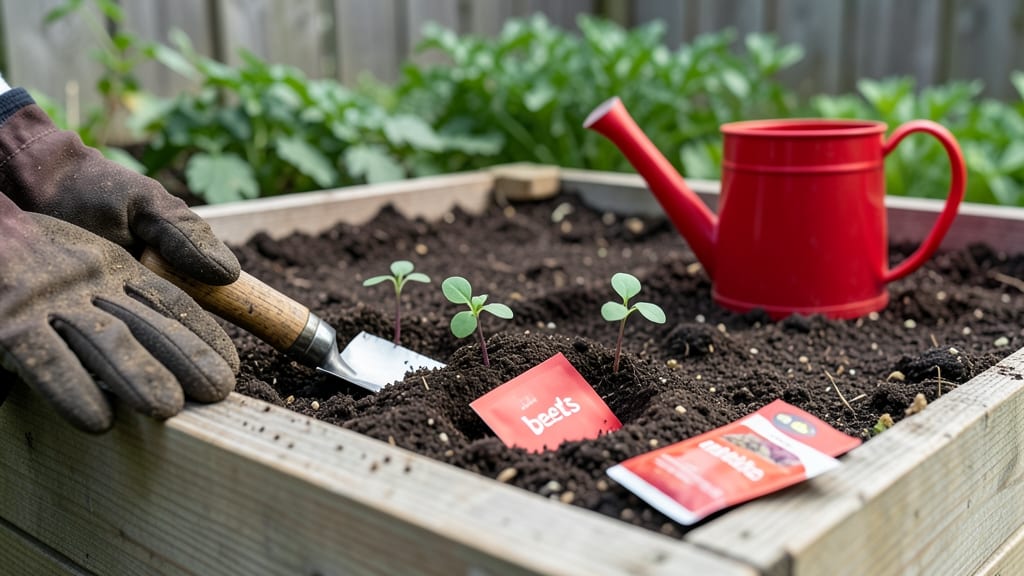
Timing is everything when it comes to growing crisp, sweet beets in Zone 8b—plant them too early, and you risk bolting; too late, and you might lose them to heat or frost.
The key to a successful harvest lies in understanding the perfect spring and fall windows that work best for your region.
If you're dreaming of a garden filled with vibrant 🍠 beets, you'll want to start seeds in early spring, right after your last frost date, or in late summer for a fall crop.
In Zone 8b, that means aiming for late February to March for spring plantings and August to September for fall. These windows ensure your beets mature before summer's intense heat or winter's chill sets in.
But here's the thing: getting it right isn't just about the calendar. Soil temperature, sunlight, and even companion plants play a role in maximizing your yield. I'll walk you through the exact steps to prepare your soil, choose the right varieties, and avoid common mistakes that can ruin your harvest.
Ready to grow beets that are tender, flavorful, and ready to pick at the perfect time? Let's dive into the strategies that will help you extend your harvest season and enjoy fresh beets from spring through fall.
Optimal planting dates for beets in Zone 8b: spring vs fall timing
Zone 8b gardeners know timing is everything when growing beets. The key is planting when soil temperatures stay above 40°F but before summer heat triggers bolting.
For me, this means two distinct windows: early spring (March-April) and late summer (August-September). Each offers unique advantages—spring for cool-season roots, fall for extended harvests.
In my experience, beets planted in March give you a head start on the growing season. By the time summer arrives, your roots are already established and ready for harvest. The secret? Start seeds indoors or use cold-hardy varieties like 'Detroit Dark Red' that tolerate light frosts.
I’ve found that planting after the last frost date (February 15) but before soil hits 70°F prevents bolting.
| Season | Ideal Planting Window | Soil Temp Threshold | Harvest Window | Key Variety Tip |
|---|---|---|---|---|
| Spring | March 1 - April 15 | 40°F - 70°F | May - July | Cold-tolerant varieties like 'Early Wonder' |
| Fall | August 15 - September 15 | 60°F - 75°F | October - December | Heat-tolerant varieties like 'Chioggia' |
Fall planting is equally critical in Zone 8b. By sowing seeds in late August, you take advantage of cooler autumn temperatures while avoiding the extreme heat of July. I’ve had great success with 'Golden Beets' in fall—they mature quickly and store well. Just
For gardeners who want to push the limits, I recommend succession planting every 2-3 weeks within these windows. This ensures a continuous supply of fresh beets. Start with a small test batch in early March, then repeat in late August. My rule of thumb? If soil temperatures drop below 40°F or rise above 80°F, it’s time to pause planting.
One common mistake I see is planting too close to summer’s peak. Beets hate consistent temperatures above 80°F—they’ll bolt (go to seed) faster than you can say "harvest time." To avoid this, I always check the 7-day forecast before planting.
If highs are predicted to stay above 85°F for more than a week, I wait or opt for shade cloth.
Don’t overlook soil prep either. Beets thrive in loamy soil with pH 6.0-7.0. Before planting, I mix in 2-3 inches of compost and ensure good drainage. In Zone 8b’s clay-heavy soils, this makes all the difference.
Pro tip: Add a mulch layer after planting to retain moisture and regulate soil temperature—critical for preventing bolting.
If you’re new to beet growing, start with short-day varieties like 'Babybeat' for spring or 'Cylindra' for fall. These are more forgiving and less likely to bolt in Zone 8b’s unpredictable climate. For me, variety selection has been the difference between a mediocre harvest and a bountiful one.
Finally, mark your calendar for these Zone 8b beet planting deadlines:
- Spring last chance: April 30 (before soil heats up)
- Fall last chance: September 30 (before frost risk increases)
These dates have never failed me—stick to them, and you’ll enjoy crisp, sweet beets all season long.
Optimal planting dates for beets in Zone 8b: spring vs fall timing
Zone 8b gardeners have two prime windows to grow crisp, sweet beets: early spring and late summer. Timing is critical—soil temperatures below 40°F stunt germination, while temperatures above 80°F cause bolting (flowering too soon).
I’ve planted beets in March-April for spring harvests and August-September for fall, with consistent success.
For spring plantings, aim for 4-6 weeks before your last frost date (typically mid-February in Zone 8b). This gives seedlings time to establish before warm spring soils trigger rapid growth. I start seeds indoors 3-4 weeks before transplanting to avoid bolting from heat stress.
Fall plantings require 8-10 weeks before first frost (usually mid-November in Zone 8b). Sow seeds in late August for a harvest before winter sets in. Succession planting every 2 weeks ensures a steady supply—my fall crop lasts from October through December.
🌱 Zone 8b Beet Planting Timeline
| Season | Planting Window | Soil Temp | Harvest Window |
|---|---|---|---|
| Spring | March 1 - April 15 | 45°F - 75°F | May - July |
| Fall | August 15 - September 15 | 50°F - 70°F | October - December |
Choose heat-tolerant varieties like 'Detroit Dark Red' or 'Chioggia' for summer plantings. These handle Zone 8b’s occasional 90°F days better than standard types. I always mulch heavily to keep roots cool—straw or grass clippings work perfectly.
Test soil temperature with a soil thermometer before planting. Beets need consistent moisture—water deeply every 2-3 days during dry spells. Overhead watering can spread disease, so I use drip irrigation for precision.
Pro tip: Direct-sow seeds—beets hate transplant shock. Scatter seeds ½-inch deep, thin seedlings to 3-4 inches apart when they’re 2 inches tall. This spacing prevents crowded, misshapen roots and improves airflow.