
Companion Plants
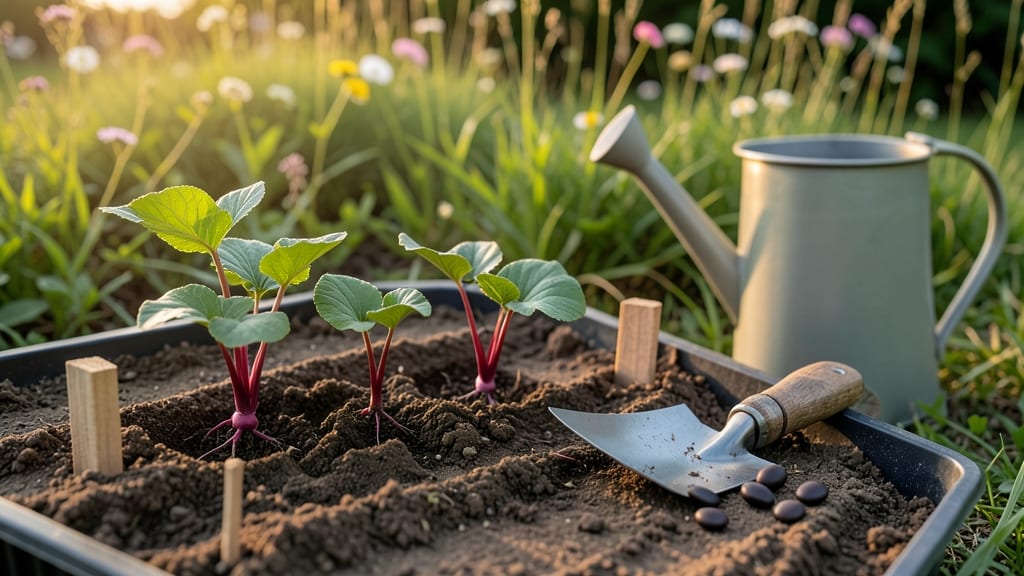
If you're eager to grow bold, leafy beets in Zone 7, timing your planting is the key to a bountiful harvest. The perfect windows for sowing these nutrient-packed roots are early spring and late summer, but getting it wrong can mean frost damage or stunted growth.
With just 50 days to maturity, you’ll want to avoid common mistakes like planting too close to frost or ignoring soil temperature.
Zone 7 gardeners know the stakes—plant too early, and a late frost could wipe out your seedlings. Too late, and your beets might bolt before reaching their full potential. The solution?
A strategic approach that aligns with your local climate, whether you're in a cooler microclimate or a warmer pocket of the zone. I’ll break down the exact dates and soil prep tips to ensure your 🍠 beets thrive from seed to harvest.
You’ll discover how succession planting can stretch your harvest season, giving you fresh beets from late spring through early fall. Plus, I’ll share how to adjust for your specific sub-zone or microclimate, so you’re not left guessing.
Whether you’re a seasoned gardener or just starting, these insights will help you maximize your yield without the trial and error.
Ready to transform your garden into a beet powerhouse? Let’s dive into the step-by-step guide that’ll have you harvesting vibrant, flavorful beets in no time—without the stress of timing mistakes.
Zone 7 beet planting calendar: exact dates for roots and greens
Zone 7 gardeners know timing is everything—especially for beets, which thrive in cool but frost-free conditions. The ideal soil temperature for germination is 45–85°F, but planting too early risks frost damage, while late sowings produce bitter, woody roots.
Let’s break down the exact windows for your Zone 7 beet harvest.
Most Zone 7 regions experience their last spring frost around March 15, but microclimates (like valleys or urban heat pockets) can shift this by 1–2 weeks. For early varieties, aim to plant 4–6 weeks before your last frost date—typically late February to early March.
This gives roots time to mature before summer heat sets in.
🌱
| Season | Planting Window | Soil Temp | Days to Harvest | Key Notes |
|---|---|---|---|---|
| Early Spring | Late February–Early March | 45–65°F | 50–60 days | Use cold-hardy varieties like 'Detroit Dark Red' for frost tolerance. |
| Late Spring | Mid-March–April | 60–75°F | 45–55 days | Best for succession planting—sow every 2 weeks for continuous harvests. |
| Late Summer | July–Early August | 65–80°F | 50–60 days | Avoid bolting by choosing heat-tolerant varieties like 'Ruby Queen'. |
| Early Fall | Mid-August–September | 55–70°F | 45–55 days | Harvest before first frost (Nov 15)—roots store well in cool, dark conditions. |
For a year-round harvest, I recommend two planting cycles: one in early spring (for late spring greens) and one in late summer (for fall roots).
Zone 7’s 190 frost-free days are perfect for this strategy—just adjust dates based on your local last frost (check your Almanac’s frost calendar for precision).
Pro tip: If your soil stays too cold in early spring, use black plastic mulch to warm it faster. For late summer plantings, shade cloth can protect seedlings from intense Zone 7 heat, which causes bolting.
🌿
Don’t overlook succession planting—sow new seeds every 2–3 weeks from March through August to ensure a steady supply of tender greens and baby beets. This works especially well in raised beds, where soil warms up faster and drains better than in-ground plots.
Remember, beet greens are edible and delicious even if the roots don’t fully develop. In Zone 7, I often harvest the young leaves as microgreens 3–4 weeks after sowing for a nutrient-packed salad boost.
✂️
How to time beet plantings for maximum yield in Zone 7
Timing your beet plantings isn’t just about avoiding frost—it’s about creating a continuous harvest that stretches from late spring to early fall. In Zone 7, I’ve found that staggered sowings every 2 weeks in spring and summer keep my garden producing fresh beets for months.
Start your first batch 4-6 weeks before your last frost date (typically mid-March), then repeat until early July to ensure a steady supply.
For the late-summer harvest, aim to plant your final batch 8-10 weeks before your first frost (around early August). This gives your beets just enough time to mature before cooler temperatures slow growth.
Pro tip: Use quick-maturing varieties like ‘Detroit Dark Red’ (50 days) for these later plantings—they’re less likely to bolt in Zone 7’s heat.
🌱 Numbered Highlights: Zone 7 Beet Planting Strategy
- 1. Start Early: First sowing in mid-March (soil temp: 45°F+) for spring harvest.
- 2. Stagger Plantings: Sow every 2 weeks until early July for continuous greens.
- 3. Late-Summer Boost: Final planting in early August for fall harvest before frost.
- 4. Microclimate Hack: Use raised beds in cooler pockets to extend spring planting by 2 weeks.
- 5. Pest Defense: Plant with onions or lettuce to deter leaf miners and aphids.
Don’t overlook microclimates in your garden—even within Zone 7, pockets near foundations or shaded areas can stay cooler longer. I’ve successfully pushed my spring plantings 2 weeks earlier in raised beds, giving me an extra harvest before summer heat sets in.
If your garden has these cooler spots, use them for your first sowings to avoid frost damage.
Reading your local weather patterns is just as critical as following a calendar. Check your 10-day forecast before planting—if a cold snap is predicted, delay sowing by a week. I’ve learned the hard way that even Zone 7 can surprise you with unexpected late frosts in April.
For extra protection, use row covers or plant in containers that can be moved to sheltered spots if needed.
Companion planting is another game-changer for maximizing yield. Beets pair beautifully with onions, lettuce, and brassicas like kale, which deter pests like leaf miners and aphids. Avoid planting near pole beans or tomatoes, though—they can compete for nutrients and attract similar pests.
My go-to combo is beets with garlic and chives; it’s a triple threat against pests and boosts flavor too.
Finally, don’t forget that succession planting isn’t just for spring. In Zone 7, you can squeeze in one more harvest by planting a fast variety like ‘Babybeat’ in early September. These tiny beets mature in just 45 days, giving you a fresh crop before winter sets in.
It’s a simple trick that turns a potential waste of space into a late-season bounty.