
Plants
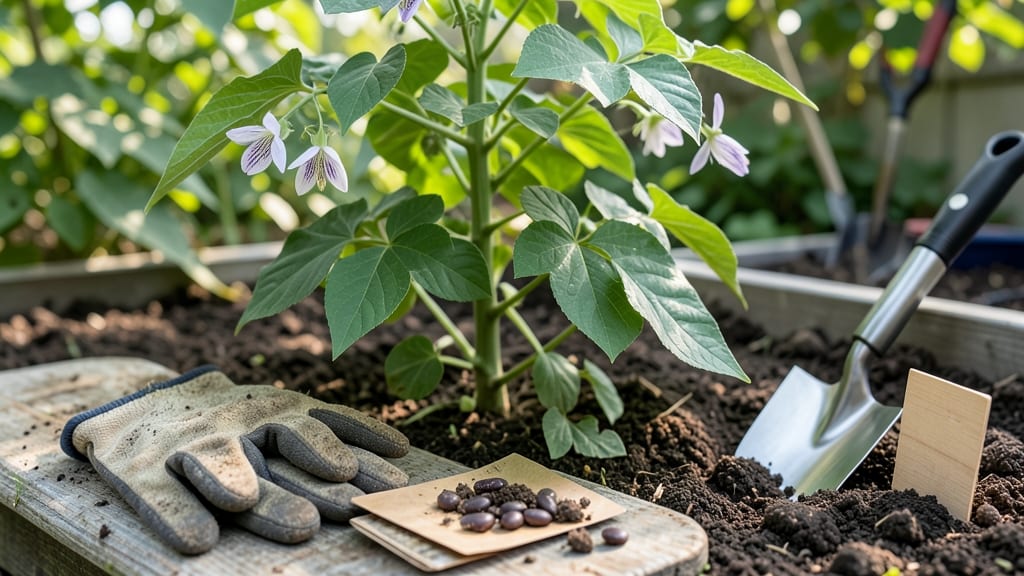
When to plant beans in NC at the right time could mean the difference between a thriving garden and wasted seeds—because those 60°F soil temps aren’t just a guideline, they’re the key to success.
If you’ve ever planted beans only to watch them struggle in cool, damp soil or bolt before you could harvest, you’re not alone. The secret lies in matching your variety to NC’s frost-free windows, whether you’re aiming for a spring harvest or a fall crop that stretches into October.
I’ll break down exactly when to plant—from mid-April for heat-loving varieties to late July for fall harvests—plus soil prep tricks and variety picks that thrive in USDA zones 7a-8b.
Let’s get those beans in the ground at the perfect moment so you’re picking fresh pods instead of pulling up disappointed seedlings.
NC bean planting calendar: frost-free deadlines by region
North Carolina’s diverse climate means your last frost date can vary by 100+ miles. Coastal areas like Wilmington typically see their final frost by mid-March, while mountain regions like Asheville may not warm up until late April or early May.
This variation directly impacts when you should plant your bush beans, pole beans, and lima beans for maximum yield.
For most of NC, the ideal planting window spans from mid-April to early June for spring crops, while a fall planting can occur from late July to early August. However, these dates shift based on your USDA hardiness zone (7a–8b) and local microclimates.
Let’s break it down by region to help you align your planting schedule with NC’s frost-free deadlines.
📌 PRO TIP: Use the National Weather Service’s frost data or local Cooperative Extension offices for precise dates in your county. For example, Raleigh’s average last frost is April 15, while Charlotte’s is slightly earlier at March 30.
| Region | Last Frost Date | First Frost Date | Spring Planting Window | Fall Planting Window |
|---|---|---|---|---|
| Coastal (e.g., Wilmington, Morehead City) | Mid-March | Mid-November | Early April–May 15 | Late July–early September |
| Piedmont (e.g., Raleigh, Charlotte) | Mid-April | Mid-October | Late April–early June | Late July–early August |
| Mountains (e.g., Asheville, Boone) | Late April–early May | Early October | Early May–early June | Late July–mid-August |
🌱 Note: Adjust for 3–5°F colder microclimates (e.g., valleys) or warmer urban heat islands.
If you’re planting pole beans, which take longer to mature (80–120 days), aim for the earlier end of the window. Bush beans, with their shorter maturity (60–90 days), offer more flexibility and can even be sown in succession every 2 weeks for a continuous harvest.
For fall harvests, focus on planting 60–90 days before your first frost. In the Piedmont, this means seeds in the ground by early August, while mountain gardeners should plant by mid-July.
Choose heat-tolerant varieties like ‘Rattlesnake’ or ‘Kentucky Wonder’ to handle NC’s late-summer heat before cooler temps arrive.
🌡️ Watch for: Unexpected late-spring frosts (common in the mountains) or early heatwaves (coastal areas). Use row covers or black plastic mulch to protect young plants if frost threatens after your initial planting.
In Zone 7a (e.g., western NC), where frosts linger later, consider starting pole beans indoors 4–6 weeks before the last frost date. Transplant seedlings after soil warms to 60°F+ to avoid stunted growth.
Coastal gardeners in Zone 8a/8b can push planting dates earlier, even experimenting with winter beans in mild microclimates.
📅 Plan ahead: Mark your calendar for 3 key dates: your region’s last frost, the 60°F soil temperature threshold, and the 90-day countdown to first frost for fall plantings. This ensures your beans get the 180–220 frost-free days they need to thrive.
Soil temperature rules for beans in NC: what to watch
Beans are warm-season crops, and getting the soil temperature right is the secret to strong germination and healthy growth. In North Carolina, 50°F soil is the bare minimum for seeds to sprout, but they’ll struggle until the soil hits 60°F+.
Planting too early in cool, damp soil leads to rot or stunted growth—something I’ve seen too many times in my own garden!
Use a soil thermometer (just $10 at garden centers) to check temps 2–3 inches deep. Morning is the best time to test—soil temps rise during the day, but early readings give you the most accurate baseline.
If your soil is below 60°F, wait at least a week before planting, even if the air feels warm.
Here’s the key: Bush beans (like ‘Blue Lake’) tolerate cooler soils slightly better than pole beans (like ‘Kentucky Wonder’), but neither thrives below 60°F. For a head start, try black plastic mulch or straw mulch to warm the soil faster.
I’ve seen this trick add 3–5°F to soil temps in just a few days!
| Stage | Soil Temp | NC Planting Window | Notes |
|---|---|---|---|
| Germination | 50°F+ | Mid-April (Coastal) to late April (Mountains) | Risk of rot; use mulch |
| Optimal Growth | 60°F+ | Early May to early June | Best for all varieties |
| Heat Tolerance | 70°F–90°F | July–August (fall planting) | ‘Rattlesnake’ beans thrive here |
If your soil stays stubbornly cool, try container gardening with heat-absorbing black pots. I’ve had great success with pole beans in containers—just place them in full sun and keep the soil moist. For in-ground planting, amend your soil with compost or aged manure to improve warmth retention and drainage.
One common mistake? Planting beans when the air temperature feels warm but the soil is still cold. Always prioritize soil temps over air temps—beans won’t forgive the mistake. For a foolproof method, plant test rows a week apart to track which timing yields the fastest germination.
Pro tip: Lima beans (like ‘Fordhook’) need even warmer soil—70°F+—so wait until late May or early June in most of NC. They’re worth the wait, though—nothing beats fresh lima beans straight from the garden!