
Companion Plants
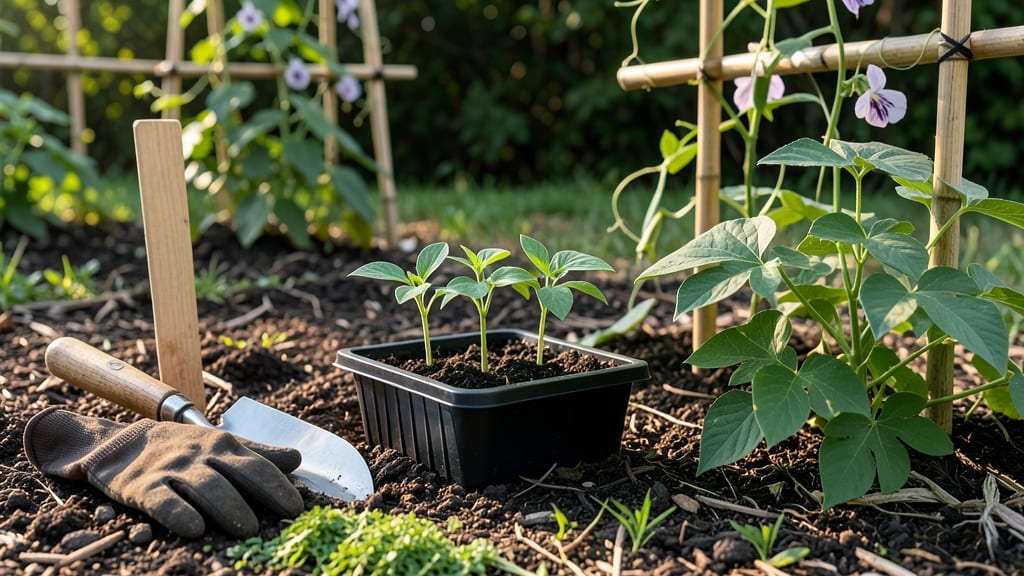
Timing your bean planting in Pennsylvania can make or break your harvest—especially when you're juggling frost dates and soil warmth for both pole and bush varieties. The wrong move, and you might end up with wilted seedlings or stunted growth, leaving you wondering why your 🌱 didn't thrive.
With Pennsylvania's USDA zones 5-7 and unpredictable spring weather, knowing exactly when to plant is the key to success. Most gardeners wait until after the last frost—typically around April 15—but soil temperature plays just as big a role.
Beans need warm soil to germinate, ideally between 60-65°F, which often means waiting a bit longer in cooler regions.
I’ve tested the best strategies for Pennsylvania gardens, from early sowings in greenhouses to staggered plantings for extended harvests. Whether you’re growing pole beans (which need more time to mature) or bush varieties (faster but shorter season), timing is everything.
Let’s break down exactly when to plant for maximum yield—no guesswork, just results.
Ready to avoid common mistakes like planting too soon or ignoring soil conditions? You’ll also discover how to adjust for Pennsylvania’s variable climate, ensuring your beans get the perfect start. Let’s get those seeds in the ground the right way!
Pennsylvania bean planting calendar: frost dates & soil temperature guidelines
Pennsylvania’s climate—spanning USDA zones 5-7—creates a unique challenge for bean growers. The last average frost date ranges from April 15 in southern PA to May 15 in the northern mountains, while soil must warm to 60-65°F before planting.
Missing this window risks frost damage or stunted growth, especially for bush beans, which mature faster than pole beans.
For most of Pennsylvania, the optimal planting window stretches from late April to early June. Southern regions (like Philadelphia or Harrisburg) can start as early as April 15, while Pittsburgh and Erie should wait until May 1 to avoid late frosts.
Always check your local microclimate—valleys and low-lying areas may experience frost 2-3 weeks later than hilltops.
Beans are sensitive to cold soil, so never plant before the ground reaches 60°F. Use a soil thermometer to confirm—cool soil slows germination and attracts pests.
In northern PA (zones 5-6), aim for May 10-20 for bush beans and May 25-June 1 for pole beans, which need more time to mature.
Heat-tolerant varieties like ‘Blue Lake Bush’ or ‘Kentucky Wonder Pole’ can handle late plantings if soil temps stay above 65°F. These varieties thrive even when planted as late as June 15, though yields may be smaller. For extended harvests, stagger plantings every 2 weeks from late April through early June.
Pennsylvania’s first frost typically arrives between October 15 and November 1, depending on elevation. To maximize your harvest, plant fast-maturing varieties (50-55 days) like ‘Contender’ or ‘Provider’ for early season, and longer-season varieties (60+ days) like ‘Rattlesnake’ for late summer plantings.
Here’s how to align your planting with Pennsylvania’s climate zones and frost risks:
If you’re unsure about your local frost dates, use the Penn State Extension’s frost calculator or check with your county agricultural office. These resources provide hyper-local data that can save your crop.
For example, State College (zone 5b) often sees late frosts in early May, while Allentown (zone 6b) may be frost-free by mid-April.
To extend your growing season, consider row covers or cold frames for early plantings. These tools can push your first planting date back by 2-3 weeks, giving you an earlier harvest.
Just remove covers once plants are 6 inches tall to avoid overheating. For late-season plantings, opt for short-day varieties like ‘Black Valentine’, which thrive in Pennsylvania’s shorter summer days.
Always monitor 7-day weather forecasts before planting. A 50°F night after sowing can kill young seedlings, so wait for a stable 60°F+ forecast for at least 5 days.
In my garden, I’ve learned that patience pays off—rushing to plant early saves only a few days of harvest time but risks losing your entire crop to frost.
Pro tip: Plant a test row of radishes or lettuce 2 weeks before your planned bean planting. These fast-growing plants signal when soil is warm enough for beans. If your radishes are up in 7 days, your soil is likely ready!
How to adjust planting times for pole vs bush beans in PA’s climate
Pennsylvania’s variable spring weather means you can’t treat all bean varieties the same. Pole beans and bush beans have different timing needs, and getting them wrong can shorten your harvest window.
For example, pole beans like Kentucky Wonder need 60+ days to mature, while bush varieties like Blue Lake only require 50-55 days. This difference affects when—and how often—you should plant.
In cooler PA zones (like 5a-6a), I recommend starting with bush beans in mid-April if soil temps hit 60°F. For pole beans, wait until late April to early May to avoid frost damage to their longer vines.
In warmer zones (like 7a), you can push planting to early June for a late-summer harvest, but only with heat-tolerant varieties like Rattlesnake beans.
Here’s the key: Stagger your plantings every 2 weeks for a continuous harvest. For example, plant bush beans on April 15, May 1, and May 15 to spread out your yield. This works especially well in PA’s short growing season, where a late frost can wipe out early plantings.
I’ve seen gardeners in Pittsburgh (Zone 6b) extend their harvest by 3-4 weeks using this method.
- 📅 Bush beans: Plant 2 weeks after last frost (typically April 15) for a 50-55 day harvest.
- 🌿 Pole beans: Wait until soil is 65°F+ (usually late April-early May) for their 60+ day cycle.
- 🌡️ Heat-tolerant varieties: For late plantings (June), choose Black Valentine or Scarlet Runner—they thrive in 85°F+ heat.
- 🌱 Staggered plantings: Sow every 2 weeks until June 1 to avoid harvest gaps.
- ❄️ Frost watch: If night temps drop below 50°F, cover young plants with row fabric.
Another trick I use in PA is to plant pole beans near a trellis by June 1 for a late-season harvest. The trellis provides shade, which helps beans tolerate summer heat better than bush varieties.
Plus, the vertical growth saves space—critical in small PA gardens. Just be sure to water deeply during July-August droughts, as beans wilt quickly when stressed.
For container gardening, adjust your timeline by 1-2 weeks earlier since pots warm up faster. I’ve had success planting bush beans in early April in black pots, which absorb heat better. Just ensure your containers have drainage holes to prevent root rot—a common issue in PA’s humid summers.
Finally, don’t overlook succession planting for a second harvest. If your first planting finishes by early August, sow a second round of bush beans in late July.
Choose short-season varieties like Contender (50 days) to ensure they mature before the first frost in October. This doubles your yield without extra space.