
Companion Plants
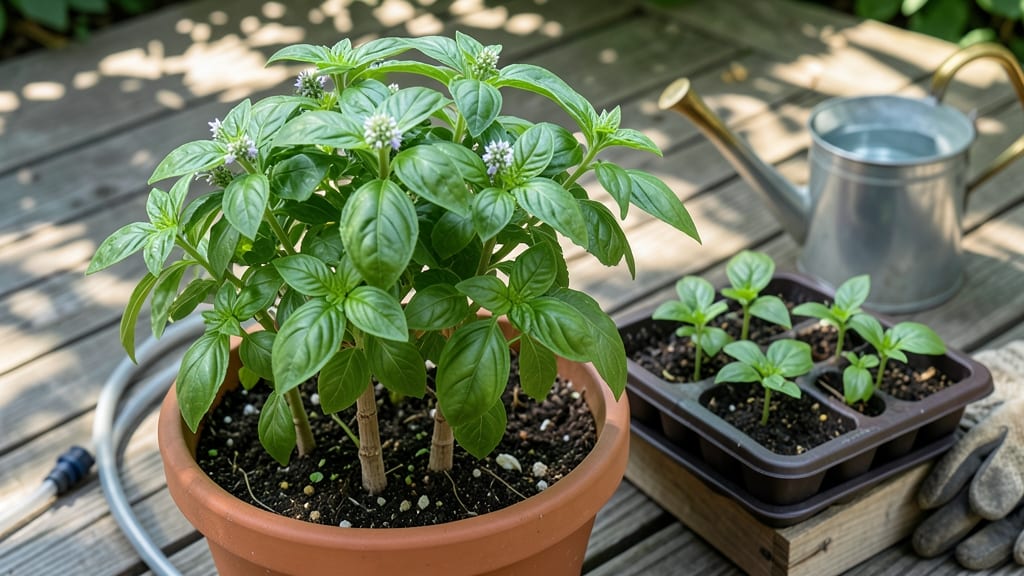
Timing your basil planting in Pennsylvania perfectly is the difference between a thriving 🌿 herb garden and a sad, frost-nipped disappointment. With Pennsylvania's unpredictable springs, getting those seeds in the ground at the right moment means the difference between lush, flavorful leaves and a wasted effort.
Most gardeners in USDA zones 5-7 wait until after the last frost—typically mid-April to early June—but that's just the start. The real secret lies in soil temperature and microclimates, whether you're in Pittsburgh or Philadelphia.
I'll show you exactly when to plant, whether you're starting seeds indoors or sowing directly outside, so you can enjoy fresh basil from June through October.
You might think basil is low-maintenance, but Pennsylvania's short growing season demands strategy. Learn how to extend your harvest by choosing the right varieties like Genovese or Thai, and discover the best techniques to protect your plants from late frosts. No more guessing—just science-backed advice tailored for PA gardeners.
Ready to grow basil that tastes like a summer in Italy? Let's dive into the exact months, soil conditions, and simple steps that will transform your herb garden this year. Your kitchen—and your pesto—will thank you.
Pennsylvania’s exact basil planting months by hardiness Zone
Pennsylvania’s USDA Zones 5-7 create unique challenges for basil growers, with last frost dates ranging from mid-April in southern regions to early May in the north.
To avoid frost damage, I’ve mapped out precise planting windows tailored to your specific zone—because a 2-week difference can mean the difference between thriving plants and sad, wilted seedlings.
Basil thrives when soil temperatures hit at least 50°F, but 60°F+ is ideal for germination. In cooler zones like Erie (Zone 6), I recommend waiting until May 15 to plant outdoors, while Philadelphia gardeners (Zone 7) can start as early as April 20.
Use these guidelines to align your planting with Pennsylvania’s 165-day frost-free season.
| Zone | Last Frost Date | Optimal Planting Window | Soil Temp Threshold | Backup Date |
|---|---|---|---|---|
| 5 (Erie, State College) | May 1 | May 15 - June 1 | 60°F+ | June 10 (late spring) |
| 6 (Pittsburgh, Harrisburg) | April 15 | April 30 - May 15 | 55°F+ | May 20 (late spring) |
| 7 (Philadelphia, Reading) | April 1 | April 15 - April 30 | 50°F+ | May 5 (late spring) |
For gardeners in Zone 5, where late frosts are common, I recommend starting basil indoors in March using grow lights. This gives you a 6-8 week head start before transplanting outdoors after Memorial Day.
In Zone 7, you can even direct-sow basil as early as mid-April if you use row covers for protection.
Pro tip: Check your local Penn State Extension office for hyper-local frost data. For example, Pittsburgh’s average last frost is April 15, but State College’s can be as late as May 1. These microclimates matter—don’t assume your neighbor’s schedule applies to you!
If you miss the ideal window, don’t panic. Basil seeds can be direct-sown until July 1 in most of PA, though harvests will be smaller.
For a second crop, try Thai basil or ‘Spicy Globe’, which are more heat-tolerant and can handle late summer plantings better than traditional varieties.
Always test your soil’s moisture and warmth before planting. Stick your finger 2 inches deep—if it feels cold or soggy, wait another week. Basil hates wet feet, so well-draining soil is non-negotiable in PA’s humid summers.
For container growing, which is perfect for urban PA gardeners, plant basil after the May 10 cutoff in most zones. Containers warm up faster than garden beds, but they also dry out quicker—so plan to water daily during heatwaves.
Remember: Basil’s flavor peaks in late summer, so aim to have mature plants by July 1. This gives you 3-4 months of harvests before the first frost hits in mid-October.
With the right timing, you’ll be feasting on fresh basil pesto by Father’s Day—no grocery store shortcuts needed!
Finally, keep an eye on weather forecasts in the days leading up to planting. If a cold snap is predicted, delay by a week. Basil is a tender annual, and even a light frost will kill it.
When in doubt, wait one more week—your basil will thank you with bigger, tastier leaves.
Pennsylvania’s exact basil planting months by hardiness Zone
Pennsylvania’s USDA zones 5-7 create distinct planting windows for basil, but the real secret is soil temperature—not just frost dates. While most gardeners wait for the last frost (typically mid-April to early June), basil needs soil at least 50°F to thrive.
In colder northern zones (like Erie), aim for late May, while southern areas (like Philadelphia) can start as early as early April.
Your local microclimate matters too. Urban heat islands in Pittsburgh may warm up faster than rural areas, while valleys like the Lehigh Valley often experience frost later. Always check your last frost date (use the National Weather Service or Almanac tools) and add 2-3 weeks for soil warmth.
Pro Tip: Use a soil thermometer—basil roots need 60°F+ soil to germinate properly. If your soil is cold, start seeds indoors 6-8 weeks before your target outdoor date. This ensures you’re ready when conditions align.
| Zone | Last Frost Date | Ideal Planting Window | Backup Date (Late Spring) |
|---|---|---|---|
| Zone 5 (Erie, State College) | May 10-20 | Late May - Early June | June 10 |
| Zone 6 (Pittsburgh, Harrisburg) | April 25 - May 10 | Early May - Mid-June | June 1 |
| Zone 7 (Philadelphia, Reading) | April 10-20 | Early April - Early June | May 20 |
🌱 Note: Adjust for microclimates—valleys frost later, urban areas warm faster.
For direct sowing, scatter seeds 1/4 inch deep and 12 inches apart in rows 18 inches apart. If starting indoors, use biodegradable pots to avoid root disturbance. Transplant seedlings after soil warms and they’ve developed 2-3 true leaves. Harden them off for 7-10 days before moving outside.
Remember: Basil hates cold soil. If you plant too early, seeds may rot or seedlings will wilt. In Zone 5, I’ve seen gardeners rush planting in April only to lose their crop to a surprise frost. Patience pays off—wait for the soil thermometer to confirm warmth.
Once planted, mulch with straw to retain heat and moisture. This simple step can extend your planting window by 1-2 weeks in cooler zones. Pair basil with tomatoes or peppers to create a microclimate that stays warmer longer.
With these exact timing guidelines, you’ll avoid the most common mistakes and enjoy basil from June through October.