
Plants
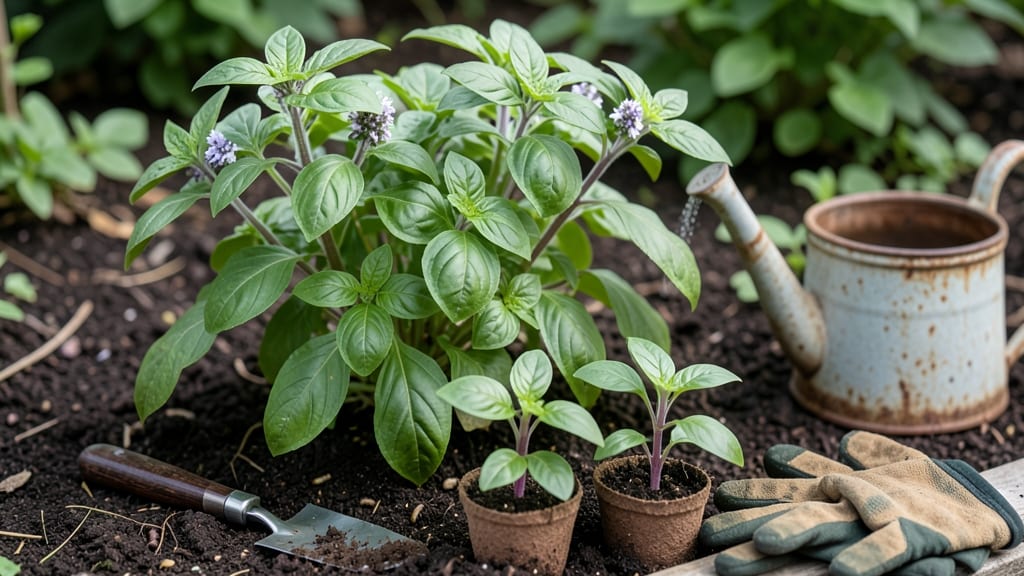
Timing your basil planting just right in Maryland is the difference between a thriving herb garden and a sad, frost-nipped disappointment. The April 15–May 15 window after last frost isn’t just a suggestion—it’s your golden ticket to flavorful, pest-resistant 🌿 basil that lasts from June through October.
If you’re in Zone 5b-6a, waiting until soil hits 50°F and the risk of frost fades is non-negotiable. Plant too early, and your seedlings will bolt or wilt; too late, and summer’s heat will turn your leaves bitter before harvest.
I’ve seen both mistakes in Maryland gardens—and trust me, you want the first option.
Here’s the game-changer: Start seeds indoors 4–6 weeks before your target date, or grab transplants from local nurseries once nighttime temps stay above 55°F.
This ensures your basil hits the ground running when conditions are perfect, giving you a head start on pests and humidity that love to crash Maryland gardens.
Ready to lock in your planting schedule? I’ll break down exact dates by county, plus pro tips to stretch your harvest well into fall—no guesswork, just garden-ready confidence. Let’s get those seeds in the soil the right way.
Maryland basil planting deadlines: exact dates by Zone 5b-6a
Maryland’s Zone 5b-6a climate means your basil planting window is tight—just 6-8 weeks between last frost and peak summer heat. Missing these deadlines can mean frost damage or bolting before harvest. Let’s break down the exact dates and strategies to maximize your frost-free growing season.
For most of Maryland, the last average frost date falls between April 1-15, depending on your county. In Zone 5b (northern MD), wait until April 15 to plant seeds outdoors.
In Zone 6a (central/southern MD), you can start as early as April 1, but always check your local frost forecast—especially if you’re planting Genovese or Sweet basil varieties.
Here’s the critical timeline for Maryland gardeners: Plant starter seeds indoors by March 15 (6-8 weeks before last frost) or direct-sow seeds outdoors between April 15-May 1.
Transplants can go in 2-3 weeks after your last frost date. Miss this window, and you risk stunted growth or early flowering, which ruins flavor.
| Zone | Last Frost Date | Indoor Start (Seeds) | Outdoor Direct Sow | Transplant Window |
|---|---|---|---|---|
| Zone 5b (e.g., Baltimore County, Howard County) | April 15 | March 15 | April 20-May 1 | May 1-15 |
| Zone 6a (e.g., Annapolis, Frederick) | April 1 | March 1 | April 10-April 20 | April 15-May 1 |
| Southern MD (Zone 7a+) | March 15 | February 15 | March 20-April 5 | March 30-April 15 |
⚠️ Pro Tip: Use row covers to extend your outdoor sowing window by 1-2 weeks if frost threatens.
Soil temperature is just as critical as air temperature. Basil thrives when soil reaches 50°F or warmer. In Maryland, this typically happens by late April in Zone 6a and early May in Zone 5b. Use a soil thermometer to confirm—cold soil delays germination and weakens seedlings.
If you’re growing Thai basil or Purple basil, these varieties tolerate slightly cooler soil (45°F) but still need warm air temperatures (above 55°F) to thrive. For these heat-loving herbs, transplant after May 1 to avoid bolting or leaf curl from temperature stress.
Maryland’s humidity and summer heat can also impact planting. After June 15, basil plants may bolt (flower prematurely) if days get too long or hot. To delay bolting, provide afternoon shade with a lightweight shade cloth (30-50% coverage) during peak July-August temperatures.
For a second harvest, try a fall planting in late summer. Sow seeds August 1-15 for a late-season crop that matures before the first frost (November 15 in Zone 6a). Use a black plastic mulch to warm the soil and extend the growing season by 2-3 weeks.
Always monitor local weather alerts—Maryland’s late spring frosts (like the 2020 Easter freeze) can catch gardeners off guard. If frost is forecasted after planting, cover seedlings with frost cloth or a lightweight blanket to protect tender leaves.
Protect your basil investment by planting near companion plants like tomatoes or peppers, which share similar water and sunlight needs. This also deters spider mites, a common Maryland pest that thrives in dry, hot conditions.
How to extend your Maryland basil harvest: succession planting tips
Maryland’s humid summers and short growing season can turn your basil into a bitter disappointment if you don’t plan ahead. The secret? Succession planting—staggering your basil crops every 2-3 weeks from late April through early July.
This ensures fresh, flavorful leaves from June through October, even as summer heat peaks.
I’ve found that planting in three batches works best for Maryland’s climate. Start your first batch around April 20–May 1 (after last frost), then follow up with a second batch 3 weeks later, and a third batch in early July.
This way, when your first plants start to bolt or wilt from heat, your later batches are just hitting their prime.
For Zone 6a gardeners, where summer temps can soar, choose heat-tolerant varieties like Genovese or Thai basil. These hold up better in 90°F+ heat than standard sweet basil.
Pair them with light shade cloth during peak afternoon sun to prevent leaf scorch—this simple trick can extend your harvest by 2-3 weeks.
- Start Early
- Space Strategically
- Use Containers
- Mulch Heavily
- Harvest Aggressively
Don’t forget to rotate crops if space allows. Plant basil where tomatoes or peppers grew last year—their depleted soil nutrients won’t compete with your basil’s needs. And if you’re short on garden space, try vertical planters or hanging baskets for a compact harvest.
With these tricks, you’ll avoid the late-summer flavor fade that plagues many Maryland gardeners. Your basil will stay sweet, aromatic, and ready for pesto until the first frost—no bitter aftertaste in sight! 🌿