
Plants
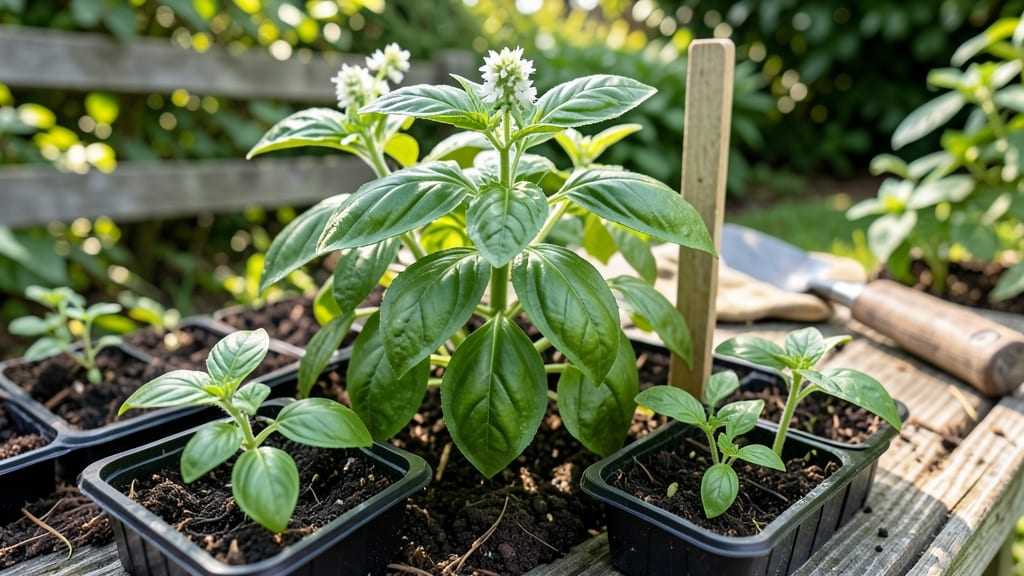
Planting basil in Ohio at the wrong time can turn your garden dreams into a sad, wilted mess—especially when unpredictable spring frosts strike.
The perfect window for sowing this sun-loving herb arrives only after the last frost, typically between late April and early May, when soil temperatures finally warm up to 50°F or higher.
Why does timing matter so much? Basil 🌿 thrives in 70-85°F soil and bolts (goes to seed) if stressed by cold. In Ohio’s USDA Zone 6a, waiting too long means missing the ideal growing season, while planting too early risks frost damage.
The key is balancing patience with action—starting seeds indoors in March gives you a head start, but outdoor planting must wait for Mother Nature’s cue.
Whether you’re growing basil in containers or garden beds, local microclimates play a role. Southern Ohio’s warmer zones may allow earlier planting, while northern areas like Cleveland should wait until mid-May. I’ll break down the exact frost-free timeline for your region and share tricks to extend your harvest through summer.
Ready to grow basil that’s bold, flavorful, and frost-free? Let’s dive into the step-by-step guide tailored to Ohio’s quirks—so you can enjoy fresh leaves from June through September without the guesswork.
Ohio basil planting timeline: frost dates and heat zones explained
Ohio’s last frost dates vary dramatically from northern Cleveland to southern Cincinnati, making precise timing critical for basil success. In most of the state, aim for late April to early May—but verify your exact zone using Ohio State University’s frost-free maps.
Basil’s ideal soil temperature is 70-85°F, so rushing planting before the ground warms risks stunted growth.
Northern Ohio (e.g., Cleveland/Akron) typically sees its last frost around May 10-15, while southern Ohio (e.g., Cincinnati/Toledo) warms up 2-3 weeks earlier. Columbus sits in the middle, with April 25-30 as the safest window. Always check the National Weather Service for your county’s 10-day forecast before planting.
Basil thrives in USDA Zone 6a, but Ohio’s microclimates create local variations. For example, Lake Erie’s coastal areas may experience delayed springs, while Appalachian foothills can warm faster. Use a soil thermometer ($10 at garden centers) to confirm temperatures before planting—50°F minimum is non-negotiable.
Here’s your Ohio-specific planting timeline by region, including key dates for direct sowing vs. transplanting:
For container growing, Ohio gardeners can push the season by planting 4-6 weeks earlier in pots—just move containers indoors if frost threatens. Black plastic mulch raises soil temperatures by 5-10°F, helping basil establish faster in cooler regions like Northeast Ohio.
Always harden off seedlings for 7-10 days before transplanting.
Pro tip: Mark your calendar for June 15 as the last chance for succession planting in southern Ohio. By this date, most varieties will bolt if planted too late, but Thai basil and Purple Ruffles tolerate heat better than Genovese.
Monitor your plants’ leaf color—yellowing edges signal either underwatering or overheating.
Ohio’s first frost typically arrives October 15, but basil can often survive until mid-November with protection. Harvest leaves aggressively in fall to prevent bolting and extend the season. If frost hits, harvest and dry the leaves immediately—they’ll still pack flavor!
🌱
How to extend basil’s growing season in Ohio’s climate
Ohio’s short frost-free season can feel like a race against time for basil lovers, but with the right strategies, you can enjoy fresh leaves from early summer through fall. The trick is to protect young plants from late frosts and extend the harvest as temperatures drop.
Since basil thrives in 70-85°F soil and bolts when stressed, I’ve tested these methods to keep my plants happy longer.
First, start seeds indoors 6-8 weeks before your last frost date (typically mid-March for Ohio). Use grow lights or a sunny windowsill to give seedlings a head start. Once soil warms to 50°F+, transplant outdoors—but only after the last frost.
For extra insurance, use frost cloths or row covers to shield tender plants if nighttime temps dip below 50°F.
Here’s how I maximize my basil harvest in Ohio’s climate:
For container gardeners, choose dwarf varieties like ‘Spicy Globe’ or ‘Mini Basil’—they handle Ohio’s hot summers better and can be moved to shadier spots in late August to prevent bolting.
If you’re in southern Ohio (Zones 6b-7)**, you might even squeeze in a fall harvest by planting in early July and using row covers.
Pro tip: Monitor your local microclimate. Urban areas like Columbus often warm up faster than rural zones, so check NOAA frost maps or ask your local Cooperative Extension for tailored advice. With these tricks, I’ve extended my basil season by 6-8 weeks—and so can you!