
Plants
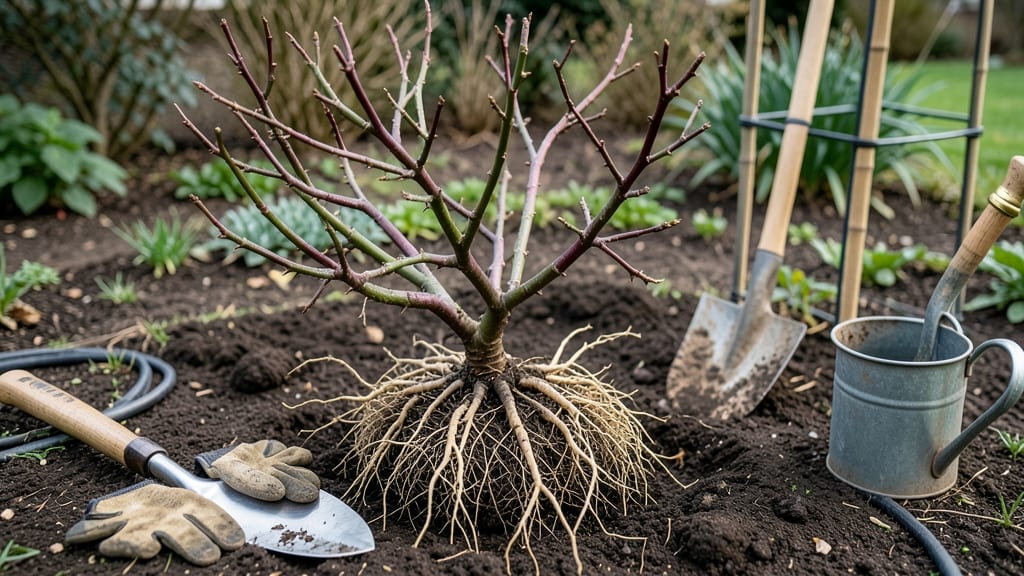
Planting bare root roses in California at the wrong time can turn your dream garden into a sad pile of wilting stems. The secret to thriving 🌹 lies in understanding your local climate zone—whether you're in frost-free coastal areas or inland valleys where winter chill matters.
Most gardeners know winter is the ideal window, but November through March is where the magic happens for California's USDA Zones 7-11. Coastal areas (like San Diego) can plant later, while inland valleys (think Sacramento) need to get them in the ground before January's frost risk arrives.
I've seen firsthand how proper timing means the difference between roses that burst into bloom and those that struggle. Let me show you exactly when to plant based on your specific microclimate—plus the soil prep tricks that keep your new plants happy from day one.
Ready to grow roses that wow? We'll cover everything from root soaking techniques to avoiding summer heat stress. Your perfect blooming season starts with getting this timing right.
Best planting months for bare root roses by California USDA zones (5-10)
California's diverse climate means USDA Zones 5-10 all have unique timing for planting bare root roses. Coastal areas like San Francisco (Zone 9-10) enjoy milder winters, while inland valleys like Sacramento (Zone 7-8) face frost risks until late January.
The key is planting before spring growth—typically November through March—to give roots time to establish before summer heat arrives.
For Zone 9-10 (coastal), your window stretches from November to early March. The ocean breeze delays frost, but planting too late (after mid-March) risks heat stress. In Zone 7-8 (inland valleys), aim for November to February to avoid late-winter frosts that can damage tender roots.
Even Zone 5 (mountain regions) benefits from early planting—October to December—to beat cold snaps.
Timing isn’t just about months—it’s about soil temperature. Bare root roses need 40-60°F soil to thrive. Use a soil thermometer to confirm readiness, especially in desert regions (Zone 9-10) where soils warm faster. If temperatures climb above 70°F before roots establish, your roses will struggle to survive.
Here’s a quick rule of thumb: Plant 6-8 weeks before your last expected frost date. For most of California, that’s November to February. But don’t wait until April—summer’s intense heat will stress newly planted roses, and they may never recover.
The ideal window balances cool soil, minimal frost risk, and enough time for roots to spread before the heat arrives.
🌹
| California Zone | Best Planting Months | Soil Temp Goal (°F) | Key Consideration |
|---|---|---|---|
| Zone 5 (Mountains) | October–December | 40–50°F | Avoid late frosts; plant early. |
| Zone 7 (Inland Valleys) | November–February | 45–55°F | Watch for January frosts. |
| Zone 9 (Coastal) | November–March | 50–60°F | No frost risk; extend window. |
| Zone 10 (Desert) | November–February | 55–65°F | Plant before heat spikes. |
Early planting (like November) gives roses a head start, but don’t rush—soaked roots must stay moist until planted. Late planting (like March) risks heat stress, but it’s better than April, when summer’s intensity can overwhelm new growth.
If you miss the winter window, consider container planting to control soil temperature.
California’s Mediterranean climate means dry summers and wet winters. Planting in winter aligns with natural moisture, reducing the need for supplemental watering. However, coastal fog can delay soil warming, so adjust your timeline if your area stays damp longer.
Always check local USDA Zone maps—a 5-mile elevation change can shift your zone by 1-2 levels.
Pro tip: If you’re in a transition zone (e.g., Zone 8), split your planting into two batches—November and February—to hedge against unpredictable weather.
This strategy ensures some roses establish well even if one batch faces frost or heat extremes. Monitor your local Almanac frost dates for precise timing.
Finally, avoid planting during rainy spells. Soggy soil can suffocate roots, and heavy rains may erode newly planted areas. Aim for a dry, cool day with overcast skies to minimize stress.
With the right timing, your bare root roses will thrive and reward you with abundant blooms by next summer.
☀️
Best planting months for bare root roses by California USDA zones (5-10)
California's diverse climate means your USDA zone determines the perfect window for planting bare root roses. Inland areas like Sacramento (Zone 7-8) need to plant by January 15 to avoid frost, while coastal regions (Zone 9-10) can extend planting through March.
The key is cooler temperatures that encourage root growth without summer heat stress.
Most nurseries ship bare root roses from November through March, aligning with California's ideal planting window. I recommend November-December for inland zones and January-February for coastal areas. This timing gives roots time to establish before summer's intensity arrives.
Here's how California's microclimates break down for optimal planting:
| Zone | Best Planting Window | Key Consideration | Frost Risk |
|---|---|---|---|
| 7-8 (Inland Valleys) | November 1 - January 15 | Cool nights, minimal frost | High (Dec-Jan) |
| 9-10 (Coastal) | January 1 - March 15 | Mild winters, no frost | None |
| 10 (Desert) | November 15 - February 15 | Cool nights, dry soil | Low (occasional) |
Planting in late winter (February-March) gives coastal gardeners extra time, but watch for heat spikes that can stress newly planted roses. I've seen roses planted in April struggle with 100°F+ days—their roots can't keep up with the demand.
For inland zones, November planting gives roots months to establish before summer. The trade-off? You'll need to mulch heavily to protect against winter rains. I recommend 3-4 inches of mulch around the base to maintain moisture and temperature.
Pro tip: Check your local USDA zone map (available at USDA Plant Hardiness Zone Map) and adjust your timeline by 2-4 weeks if you're in a transition zone between classifications.