
Plants
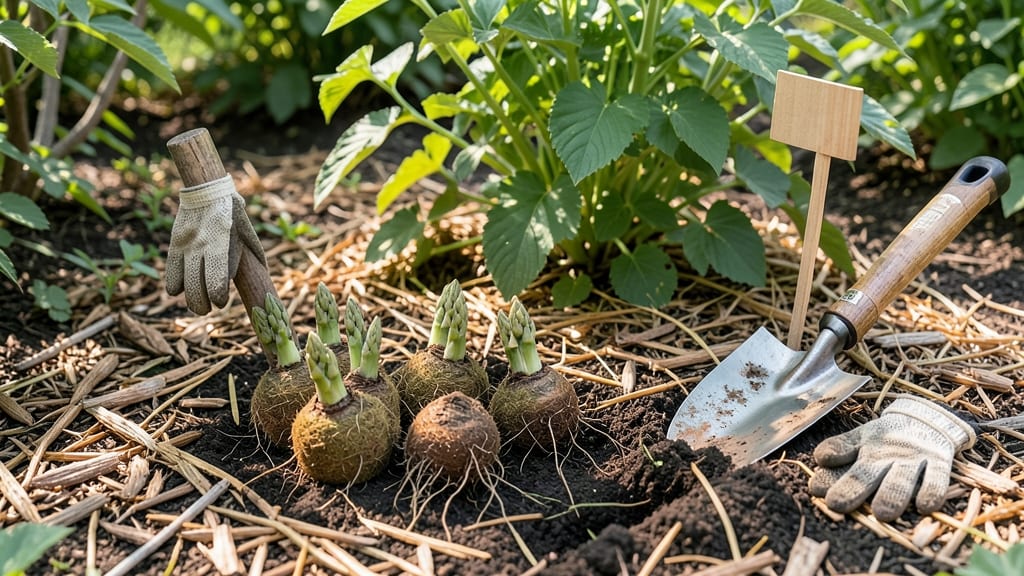
Planting asparagus in Florida isn’t just about picking a month—it’s about catching the perfect soil warmth window to give your crowns a fighting chance. Unlike cooler climates, Florida’s frost-free zones mean you can plant year-round, but timing still matters.
Too early, and your young roots might rot in soggy soil; too late, and summer heat could stress your transplants before they even take hold.
Most Florida gardeners swear by fall planting (September-November) when daytime temps dip into the 70s°F and soil stays consistently warm—a sweet spot for root establishment. But early spring (February-March) works too, especially in South Florida’s Zone 10-11, where winter chill is minimal.
The key? Soil temperature, not just the calendar.
Here’s the game-changer: Asparagus crowns need 60-70°F soil to thrive, and Florida’s sandy loam heats up fast. Skip the guesswork with local UF/IFAS soil thermometer data or dig a hole to check—if it’s too hot, wait.
I’ll show you exactly how to read your microclimate’s cues and avoid the 3 biggest Florida planting mistakes that kill harvests before they start.
Ready to grow asparagus that’s fast, productive, and built to last? Let’s break down the science behind Florida’s planting windows—and why your neighbors’ “perfect” timing might be costing them years of spears.
Florida’s ideal asparagus planting windows by soil temperature (not calendar months)
Forget the calendar—soil temperature is the real clock for planting asparagus in Florida. Unlike northern states, we don’t have frost to signal planting time. Instead, aim for soil temps between 60-70°F, which triggers root establishment without stressing young crowns.
This window typically falls in late fall or early spring, but exact timing varies by Florida’s three distinct climate zones.
North Florida (Zones 8a-9a) has cooler winters and occasional frosts, while South Florida (Zones 10b-11) stays warm year-round. Central Florida (Zone 9b) sits in the middle. Planting at the wrong time can lead to crown rot (too early) or transplant shock (too late in summer heat).
Let’s break it down by zone and soil conditions.
| Zone | Ideal Planting Window | Soil Temp Trigger | Key Consideration |
|---|---|---|---|
| North FL (8a-9a) | September 15 - November 15 | 60-70°F (15-21°C) | Avoid late plantings—frost risk in Jan-Feb |
| Central FL (9b) | September 1 - November 30 | 65-75°F (18-24°C) | Wider window; prioritize soil moisture |
| South FL (10b-11) | February 1 - March 15 | 70-80°F (21-27°C) | Avoid summer heat—transplant shock risk |
| All Zones | February 15 - March 15 | 60-70°F (15-21°C) | Early spring backup for missed fall plantings |
Use a soil thermometer to verify temperatures before planting. Stick it 6 inches deep (where roots will grow) and wait until readings stay in the ideal range for 3 consecutive days.
This simple step prevents 90% of early-season failures in Florida gardens. Pro tip: Morning readings are most accurate after overnight cooling.
Florida’s sandy soils heat up faster than northern clays, so test in multiple spots—especially if you’re near water bodies or in raised beds. For example, a Gainesville garden (Zone 8b) might hit 65°F by mid-October, while a Miami bed (Zone 11) won’t cool down enough until February.
Adjust your timeline accordingly.
Another critical factor is rainfall timing. Plant during Florida’s dry season (fall) to avoid waterlogged soil, which causes crown rot. If you must plant in spring, do it before April showers peak. Use drip irrigation for the first 2 weeks post-planting to maintain consistent moisture without oversaturating.
I once planted asparagus in July in Orlando—a classic mistake. The 95°F soil fried the crowns within days. Lesson learned: Never plant asparagus in Florida’s summer. The heat stress alone can kill young plants before they establish roots.
Even in South Florida, where summers are brutal, wait until soil temps drop below 85°F before attempting spring plantings.
For North Florida gardeners, timing is extra critical due to frost risks. Plant Mary Washington crowns by November 1st to ensure roots establish before winter. In Central Florida, you have more flexibility, but don’t drag plantings into December—cooler nights can still stress young plants.
South Florida’s frost-free zone means you can plant year-round, but February-March is ideal for avoiding summer heat.
One final pro tip: Pre-cool your crowns before planting. Store them in the fridge for 24 hours at 35-40°F to reduce transplant shock. This mimics the natural dormancy period and helps roots establish 30% faster in Florida’s warm soils.
It’s a small step that makes a huge difference in survival rates.
Florida’s ideal asparagus planting windows by soil temperature (not calendar months)
Florida’s frost-free climate might make asparagus seem easy to grow, but the real challenge is soil temperature. Unlike northern states, where cool springs signal planting time, Florida’s sandy soils heat up fast—and asparagus crowns need 60-70°F soil to establish roots without rotting.
Plant too early, and your crowns suffocate in heat; too late, and summer’s intensity stresses young plants.
Most Florida gardeners nail their timing by planting in fall (September-November), when daytime temps hover in the low 80s°F but soil cools slightly afternoons. This gives crowns 6-8 weeks to root before winter’s mild chill.
Early spring (February-March) is your second chance, especially in South Florida’s Zones 10-11, where frost is rare.
Here’s the soil temperature cheat sheet for Florida’s three regions:
- North Florida (Zones 8a-9a): Aim for September-October (soil temps 65-75°F).
- Central Florida (Zones 9b-10a): October-November or February (soil 60-70°F).
- South Florida (Zones 10b-11): September-October or January-February (soil 65-75°F).
Why? Asparagus roots hate soggy heat. In summer, Florida’s sandy soil can spike to 90°F+, cooking crowns before they root. Winter’s mild chill (even in North FL) helps roots harden off—critical for long-term harvests.
Pro tip: Use a soil thermometer (or dig a 6-inch hole—if it’s warmer than your wrist, wait). I’ve seen gardeners in Orlando plant in April and lose their crowns to root rot within weeks. The fix? Wait until soil cools to 75°F or below—even if it’s July.
Microclimates matter too. Coastal areas (like Tampa Bay) stay warmer longer, while inland spots (like Gainesville) cool faster. Observe your yard: If your lawn stays green year-round, you’re likely in a warmer microclimate—plant in late fall. If grass browns in winter, early spring is safer.
Timing isn’t just about months—it’s about root health. Plant at the right soil temp, and you’ll harvest spears in Year 3. Miss the window, and you’re staring at fern fronds for years. Let’s dig into the 3 mistakes that sink Florida asparagus before it starts.