
Plants
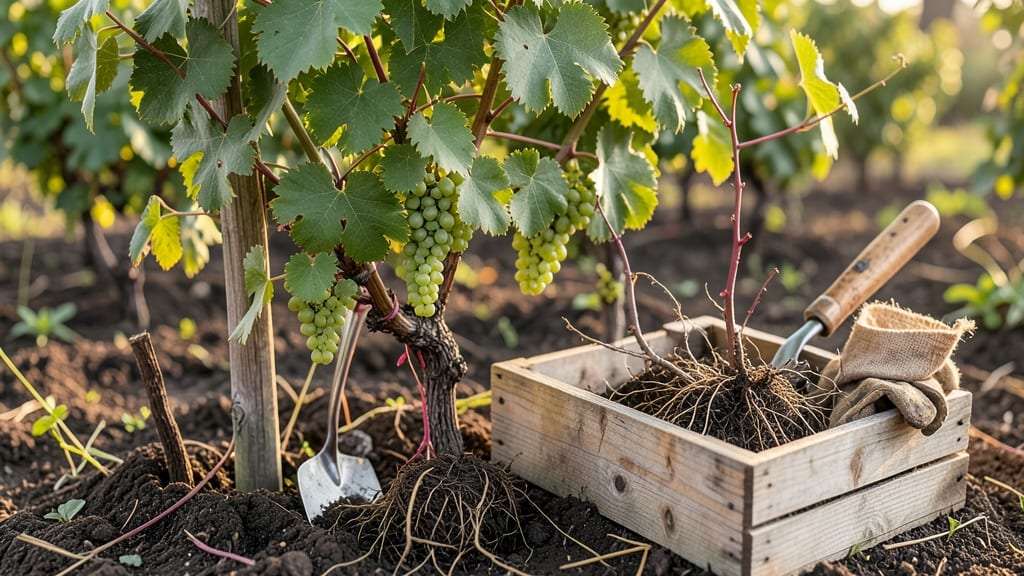
Timing your grape planting in Georgia can mean the difference between a thriving vineyard and a failed harvest.
With Georgia's USDA Zone 7b-8b climate, you've got a narrow window to get it right—plant too early, and frost will nip your young vines, too late, and they won't establish strong roots before summer heat sets in.
Most Georgia gardeners swear by late winter to early spring planting, typically between February and March, when soil temperatures rise and the threat of hard frosts has passed.
This is when 🍇 grape roots can spread aggressively, setting the stage for a productive harvest come late summer or early fall.
But here's the catch: not all grape varieties play by the same rules. Muscadines, for instance, are hardier and can handle cooler soils, while vinifera types demand warmer conditions.
I'll break down how to match your grape type to Georgia's microclimates—whether you're in the Piedmont or Coastal Plain—for the best possible start.
Ready to plant with confidence? Let's dive into the exact timing, soil prep, and variety-specific tips that'll help your grapevines take root—and thrive—like a pro.
Best planting windows for grapes in Georgia’s USDA Zone 8a
Georgia’s USDA Zone 8a offers two prime windows for planting grapes: late winter and early spring. These periods align with soil warming and frost-free conditions, giving young vines the best chance to establish strong root systems before summer heat arrives.
For most Georgia regions, this means planting between mid-February and mid-April, with March being the sweet spot for most varieties.
Timing depends on your microclimate. Coastal areas (like Savannah) can plant slightly earlier due to milder winters, while inland Piedmont regions (Athens, Macon) should wait until after the last frost date, typically around March 15.
Mountain foothills (like Blue Ridge) may need to delay until mid-April to avoid late frosts damaging tender new growth.
Bare-root vines are most commonly planted in late winter (February), while container-grown grapes can wait until early spring (March-April). The key is ensuring soil temperatures reach 50°F (10°C)—critical for root activation.
Use a soil thermometer to check; if it’s cooler, delay planting to avoid root rot or stunted growth.
For muscadine grapes, native to Georgia, planting in early spring (March) is ideal—they thrive in the state’s heat and humidity. In contrast, vinifera varieties (like Cabernet Sauvignon) prefer cooler spring soil and may need mulch to protect roots from summer heat.
Always check the specific variety’s recommendations, as some (like Scuppernong) are more frost-hardy than others.
If you miss the spring window, fall planting (October-November) is a secondary option for bare-root vines, but it requires extra care. Vines planted in fall need mulch protection (4–6 inches of straw) to insulate roots during winter.
Avoid fall planting in sandy soils, which drain too quickly and can stress roots before dormancy sets in.
Pro tip: Use frost cloth or a mini greenhouse for the first 2–3 weeks after planting to shield young vines from unexpected late frosts. Georgia’s microclimates can vary drastically—even within a county—so monitor local weather forecasts and adjust your timing accordingly.
For example, Valdosta’s last frost is often weeks earlier than Atlanta’s, so plant accordingly.
Once planted, focus on watering deeply (1–2 inches per week) and avoiding overhead irrigation to prevent fungal diseases like powdery mildew. Georgia’s humid summers demand vigilance, but vines established in the optimal window will reward you with healthier growth and better yields.
Remember: Patience pays off. Grapes planted at the right time may take 2–3 years to bear fruit, but proper timing now means decades of harvests to come. Start with 1–2 vines to test your soil and microclimate before expanding.
Best planting windows for grapes in Georgia’s USDA Zone 8a
Georgia’s USDA Zone 8a offers two prime windows for planting grapes: late winter and early spring. Timing ensures your vines establish roots before summer heat or winter frosts arrive. For most varieties, aim for February to March, aligning with soil temperatures above 50°F.
Bare-root vines thrive when planted 4-6 weeks before the last frost (typically mid-March in Georgia). This gives roots time to anchor before new growth begins. In colder microclimates like the Piedmont region, push planting to March or early April to avoid frost damage.
🍇 Georgia Grape Planting Comparison
| Planting Window | Best For | Soil Temp | Frost Risk |
|---|---|---|---|
| Late Winter (Feb) | Bare-root vines, dormant planting | 45-50°F | Moderate (cooler nights) |
| Early Spring (Mar-Apr) | Potted vines, warmer microclimates | 55-65°F | Low (post-last frost) |
| Fall (Oct-Nov) | Established vines (not recommended for new plantings) | 50-55°F | High (winter frosts) |
Avoid planting in late spring (May)—vines struggle to establish roots before summer heat. For muscadine varieties, native to Georgia, extend the window to April when soils warm further. Always check your local Cooperative Extension Service for precise frost dates.
Container-grown vines can plant slightly later (April) since their roots are already established. However, they’ll need consistent moisture to transition to outdoor conditions. Mulch heavily around the base to retain soil warmth and moisture during Georgia’s hot, dry summers.
If you miss the spring window, fall planting is riskier due to Georgia’s unpredictable winters. Only attempt it with hardy varieties like Cynthiana or Scuppernong, and plant 6-8 weeks before the first frost.
Pro tip: Test soil moisture before planting—Georgia’s clay-heavy soils can stay too wet in winter, inviting root rot. Aim for well-draining, slightly acidic soil (pH 6.0-6.5) to set your vines up for success.