
Planting
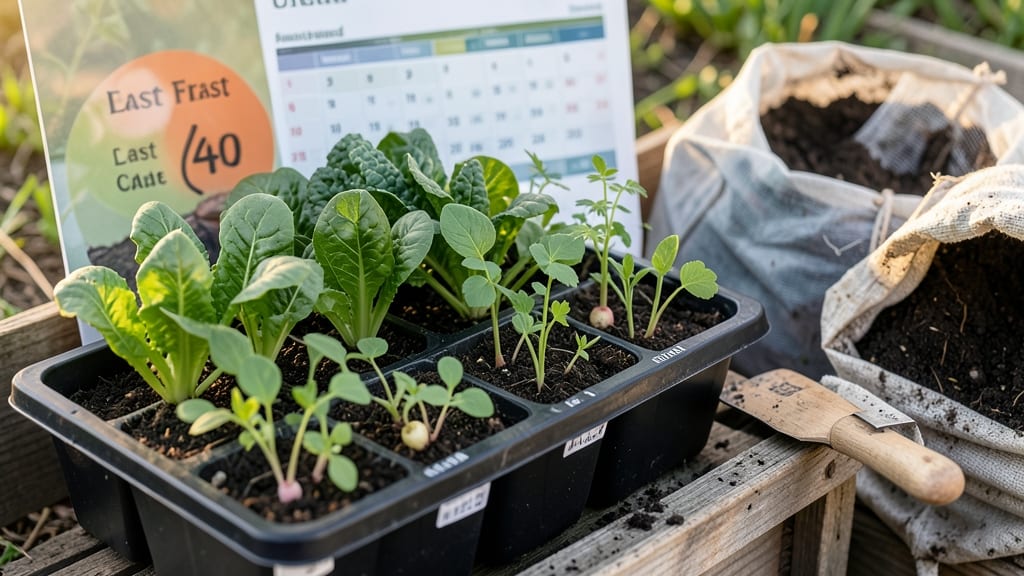
Timing when to plant a garden in Cleveland, Ohio isn’t just about following a calendar—it’s about beating frost, embracing the city’s unique microclimates, and making the most of your short but productive growing season.
Whether you're dreaming of crisp lettuce or juicy tomatoes, planting too early risks frost damage, while waiting too long could mean missing peak harvests entirely.
Cleveland's Zone 6 climate brings unpredictable weather, but with the right strategy, you can turn challenges into opportunities. I'll show you how to use local frost dates, soil warmth cues, and even your neighborhood's microclimate to extend your garden's life—so you're not left scrambling when unexpected cold snaps roll in.
From cold-hardy greens to heat-loving peppers, I'll break down exactly when to plant each variety for maximum success. We'll cover spring's critical planting window, fall's second chance for cool-season crops, and how urban gardens in Cleveland can outperform rural ones with smart timing.
Ready to grow a garden that thrives despite Cleveland's quirks? Let's dive into the exact dates, soil prep secrets, and planting hacks that'll have your garden flourishing from spring to fall—without the guesswork.
Cleveland Ohio frost dates and safe planting windows by season
Cleveland’s Zone 6a climate means last frost dates typically arrive between April 15-30, but urban areas like downtown can be 2-3 weeks later due to the "heat island" effect.
Rural spots near the lake may see frost as late as May 10. Always check NOAA’s Cleveland frost calendar for real-time updates, as temperatures can fluctuate wildly.
For spring planting, wait until soil temperatures hit 50°F (10°C)—use a soil thermometer to confirm. Cold soil slows germination, and peas and spinach can handle light frosts, but tomatoes and peppers need warmth.
My rule of thumb? Plant cool-season crops 2 weeks before last frost, and warm-season crops 2 weeks after.
Cleveland’s first fall frost usually arrives October 15-30, but high-elevation areas near Lake County may see frost as early as September 20. This short window makes fall planting critical for extending harvests. Use row covers or cold-hardy varieties like kale and carrots to push your season.
| Season | Key Dates (Avg.) | Soil Temp | Planting Window |
|---|---|---|---|
| Spring | Last Frost: April 15-30 | ≥50°F (10°C) | Cool crops: March 15-April 15 Warm crops: May 1-June 15 |
| Summer | Peak Heat: July-August | ≥60°F (15°C) | Succession plant lettuce, beans every 2 weeks |
| Fall | First Frost: Oct 15-30 | ≥45°F (7°C) | Plant spinach, radishes by Aug 15 |
Cleveland’s microclimates create big differences—lake-effect areas near Edgewater stay cooler, while Parma and Rocky River urban zones trap heat. Test your spot: Place a thermometer in full sun for 3 days to see if it matches NOAA averages. If your garden runs 5°F warmer, adjust planting dates accordingly.
For container gardening, warm up soil faster by placing pots on black plastic mulch or using heat mats. Containers also let you move heat-loving plants like peppers to sunnier spots during Cleveland’s unpredictable May cool snaps.
I’ve had tomato seedlings survive overnight dips to 40°F (4°C) with protective cloches.
Don’t ignore moon planting phases—while not scientific, many local gardeners swear by planting roots (carrots, beets) during the waxing moon and leaves (lettuce, spinach) during the waning moon. Pair this with compost enrichment (aim for 3-4 inches of aged compost) to give young plants a nutrient boost.
Pro tip: Use biodegradable plant markers to track what you’ve planted and when. Cleveland’s short growing season (150-180 days) demands efficiency—label each row with the plant name and date to rotate crops properly next year and avoid soil depletion.
If you’re new to Cleveland gardening, start with cold-hardy crops like kale, peas, and radishes—they’re forgiving and give you confidence before tackling tomatoes and peppers. My first year, I lost my basil to an unexpected May frost, but my spinach thrived. Learn from mistakes, not just successes!
For real-time updates, bookmark the Ohio State Extension’s frost map and follow @ClevelandGardeners on social media. They post weekly alerts when it’s safe to plant warm-season crops—a lifesaver for beginners. Happy planting, and may your Cleveland garden be bountiful! 🌿
Best planting schedule for Cleveland’s top 10 vegetables and herbs
Cleveland’s short growing season demands precision—planting at the wrong time can mean lost harvests. I’ve tested these variety-specific timelines to ensure your garden thrives, whether you’re growing crisp lettuce or spicy peppers. The key? Succession planting and knowing which crops tolerate cold while others crave warmth.
For cold-hardy crops like spinach and peas, start seeds indoors 4-6 weeks before your last frost date (typically mid-April). These greens can handle light frosts, giving you an early harvest.
Meanwhile, warm-season stars like tomatoes and peppers need to wait until soil temps hit 60°F+—usually late May—after the danger of frost has passed.
Here’s my proven planting schedule for Cleveland’s top 10, including when to direct-sow and when to start indoors. Pro tip: Use row covers to extend early planting windows for heat-lovers like basil and cucumbers.