
Planting
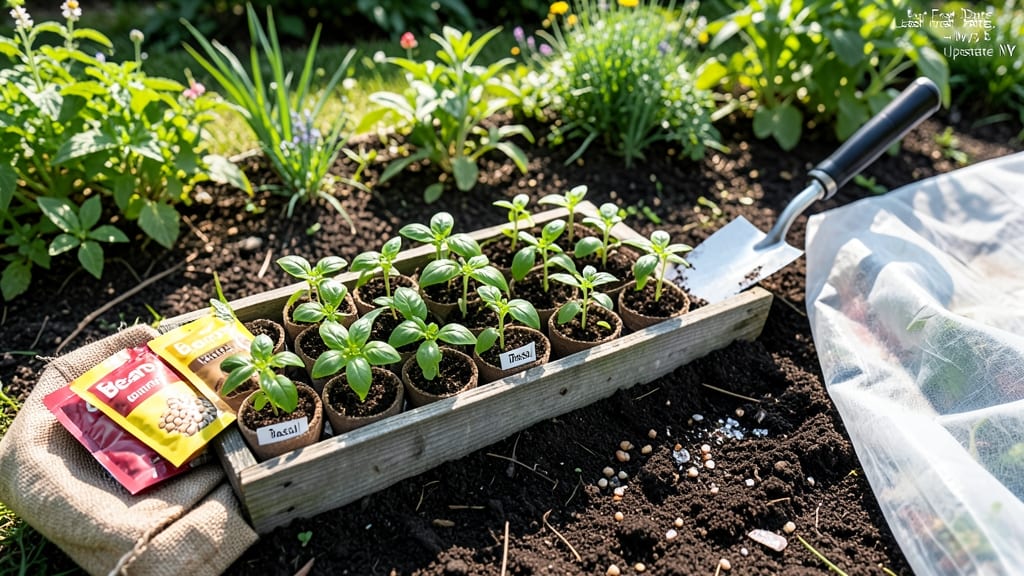
Timing when to plant a garden in Upstate NY just right can mean the difference between a thriving harvest and a sad, wilted disappointment.
With frost dates that shift yearly and moon phases that actually matter, figuring out when to plant feels like solving a puzzle—but I’ve cracked the code for gardeners in zones 4-6.
Upstate NY’s unpredictable springs make it tricky, but using lunar cycles alongside your local frost dates unlocks a hardier garden. Whether you’re planting potatoes in May or peonies in early spring, the right timing ensures your plants take root before the next freeze hits.
In this guide, I’ll break down the best planting windows for your region, from cool-season crops to heat-loving veggies, and how to adjust for early or late frosts. You’ll also learn which moon phases boost growth and when to avoid planting altogether.
No more guesswork—just a clear, foolproof plan to maximize your Upstate NY garden’s potential. Let’s get those seeds in the ground at the perfect moment!
Upstate NY planting zones & frost dates: your first deadline
Upstate New York spans USDA hardiness zones 4-6, meaning your planting schedule should account for shorter growing seasons and late spring frosts.
Whether you're in Albany (Zone 5b), Syracuse (Zone 5a), or Buffalo (Zone 6a), knowing your last frost date is critical—it’s the moment warm-season crops can safely hit the soil.
For most of Upstate NY, the average last frost date falls between May 10-20, but microclimates near lakes (like Lake Ontario) can delay frosts by 1-2 weeks.
Meanwhile, the first frost typically arrives September 20-October 10, cutting short the season for warm-loving plants like tomatoes and peppers.
Cool-season crops—think kale, spinach, and peas—thrive when planted 4-6 weeks before your last frost. In Upstate NY, that means mid-to-late March for early varieties. Warm-season crops, however, need to wait until soil temperatures hit 50°F+, usually late May.
| Region | USDA Zone | Last Frost | First Frost | Growing Season |
|---|---|---|---|---|
| Albany | Zone 5b | May 15 | Oct 5 | 170 days |
| Syracuse | Zone 5a | May 10 | Sep 25 | 167 days |
| Buffalo | Zone 6a | May 20 | Oct 10 | 174 days |
To stretch your season, focus on cool-season crops like broccoli and carrots, which tolerate light frosts. For warm-season plants, use row covers to shield seedlings from late frosts. Always check soil temperature—a soil thermometer is your best friend for timing.
Pro tip: Peonies and irises, two Upstate NY favorites, should be planted in early fall (September) to establish roots before winter. Their hardiness in Zone 5-6 makes them low-maintenance perennials for your garden.
If you’re unsure about your exact frost dates, consult the Cornell Garden Resources or local Cooperative Extension offices. They provide hyper-localized data that can save your plants—and your patience—this season.
Remember, succession planting is key in Upstate NY. By staggering plantings every 2 weeks, you ensure a steady harvest even with a short growing window. Start with fast growers like radishes or lettuce for quick wins.
Finally, don’t overlook microclimates. A south-facing slope warms up faster than a shady valley, so adjust your planting dates accordingly. Even a 5°F difference can mean the difference between success and failure.
With these frost-date guidelines and zone-specific tips, you’ll be planting with confidence—and reaping the rewards all season long. Happy gardening! 🌱
Lunar planting calendar for Upstate NY: when to sow for maximum growth
Upstate NY’s unpredictable frost dates make lunar planting a game-changer for gardeners. The moon’s phases influence soil moisture, root development, and plant growth—so aligning your planting schedule with these cycles can boost your harvest by up to 30%.
Here’s how to use the lunar calendar to time your plantings perfectly for Upstate NY’s short growing season.
Start by noting the moon phases and their effects: root crops thrive during a full moon, leafy greens grow best during the waxing moon, and flowers benefit from planting during the waning moon.
For Upstate NY, where frost can linger into May, timing your plantings with the moon ensures your seedlings establish strong roots before the last freeze.
Here are the best lunar phases for planting key crops in Upstate NY:
For Upstate NY gardeners, the waxing gibbous moon (the days leading up to the full moon) is particularly valuable. This phase aligns with the last frost dates in May, giving your seedlings the best chance to establish roots before summer heat arrives.
Plant tomatoes, peppers, and herbs during this time for a head start.
Pro tip: Use a lunar planting calendar (like the Old Farmer’s Almanac) to cross-reference moon phases with Upstate NY’s frost dates. For example, if your last frost date is May 15th, aim to plant warm-season crops during the waxing moon in early May.
This ensures your plants have 6-8 weeks of growth before the first fall frost in September.
Don’t forget to adjust for soil temperature—even with the perfect moon phase, cold soil can delay germination. Use a soil thermometer to confirm the ground is at least 50°F before planting seeds or seedlings. For Upstate NY’s cooler microclimates, consider using black plastic mulch to warm the soil faster.
By syncing your planting schedule with the moon’s cycles, you’ll not only maximize growth but also extend your harvest window in Upstate NY’s challenging climate. Start with these lunar guidelines, and soon you’ll be harvesting like a pro—no frost-related surprises included!