
Plants
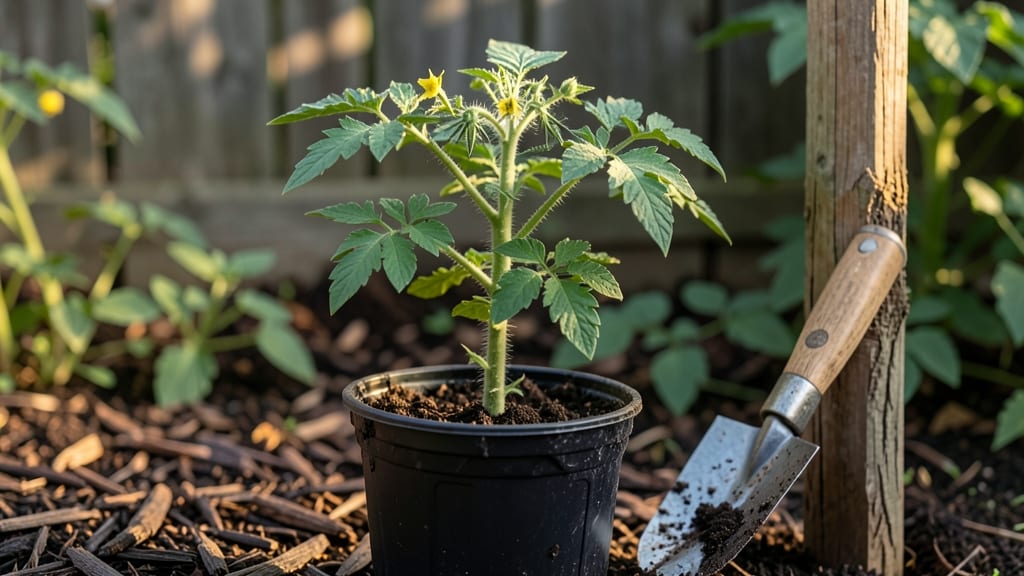
When should you plant tomatoes in Pennsylvania to maximize your harvest? Timing could make or break your success—get it wrong, and you're left with bitter fruit or plants that bolt too soon. The Keystone State's unpredictable spring weather means last frost dates can swing by weeks, leaving gardeners scrambling to adjust their schedules.
If you've ever watched your tomato seedlings wilt from a late frost or seen flowers appear too early, you know how critical the right window is. The key isn't just waiting until Memorial Day—it's understanding your specific zone (5b-7a) and soil temperatures that trigger healthy growth.
I'll walk you through exactly when to start seeds indoors, when to transplant outdoors, and how to adjust for microclimates—whether you're in Pittsburgh's cooler hills or Philadelphia's urban heat islands.
With these strategies, you'll avoid common mistakes and set your garden up for a bold, flavorful harvest from June to October.
Ready to turn your tomato dreams into reality? Let's dive into the precise planting schedule that works for Pennsylvania's climate, so you can enjoy homegrown tomatoes all season long.
Pennsylvania tomato planting deadlines by hardiness Zone (5-7)
Pennsylvania spans USDA Zones 5b-7a, meaning your tomato planting window varies dramatically from the Poconos to Philadelphia. The key to avoiding frost damage and bolting is understanding your last frost date and soil temperature thresholds.
In Zone 5, you’ll plant weeks later than in Zone 7, but both regions face the same risk: bitter, underripe tomatoes from early starts.
For all zones, soil must reach 60°F before transplanting seedlings. Cold soil stunts root growth, leaving plants vulnerable to disease. Use a soil thermometer—don’t guess!
In my Zone 6 garden, I’ve seen soil hit 60°F as early as mid-April in urban heat islands and as late as early June in high-altitude valleys like Lackawanna County.
Here’s the critical timeline for each zone, based on historical frost data from PA weather stations. Miss these windows, and you’ll either lose plants to frost or watch them bolt before summer heat arrives.
| Zone | Last Frost Date (Avg.) | Soil 60°F Threshold | Transplant Window | Direct Sow Window | Final Deadline |
|---|---|---|---|---|---|
| 5b (Poconos, NE PA) | May 1-15 | Late May | May 15-June 1 | June 1-15 | June 15 |
| 6a (Central PA, Harrisburg) | April 15-May 1 | Mid-April | April 20-May 10 | May 10-25 | May 30 |
| 7a (SW PA, Pittsburgh) | March 20-April 10 | Early April | April 1-May 1 | April 20-May 10 | May 15 |
*Adjust 1-2 weeks earlier for urban microclimates, later for high-altitude areas.
In Zone 5b, where I garden, I’ve learned the hard way that planting before May 15 risks frost damage. Last year, a late April transplant wilted overnight when temperatures plunged to 28°F.
Meanwhile, in Zone 7a, gardeners can start as early as March 20 for cold-tolerant varieties like ‘Mountain Merit’ or ‘Stupice’.
Pro tip: Use black plastic mulch to warm soil faster. In my trials, it raised soil temps by 5-8°F in early spring, letting me transplant 2 weeks earlier without risk. Just remove it in late summer to prevent overheating.
For direct sowing, wait until nighttime temps stay above 50°F. Seedlings struggle in cold soil, and you’ll waste money on seeds that rot. In Zone 6a, I direct-sow around May 10-25, using row covers for the first 2 weeks to protect young plants.
Don’t fall for the myth that “earlier is better.” In Pennsylvania’s unpredictable springs, rushing leads to bolting. I’ve seen ‘Brandywine’ tomatoes flower in June—only to produce tiny, bitter fruit before summer heat arrives. Patience pays off with juicy, flavorful tomatoes by July 4th.
Check your local microclimate. Urban areas like Philadelphia can be 3-5°F warmer than rural zones, while valleys like Lackawanna stay colder. Use the National Weather Service’s frost maps or ask your local Cooperative Extension office for precise data.
Remember: Transplant shock is real. Harden off seedlings for 7-10 days before planting, and water deeply the day before and after transplanting. This gives roots time to establish before summer heat arrives.
🌱
How to adjust planting time for early vs. late varieties in PA
Not all tomatoes thrive on the same schedule in Pennsylvania's variable climate. Early varieties like 'Stupice' or 'Mountain Merit' tolerate cooler soils, while heat-loving heirlooms such as 'Brandywine' or 'Cherokee Purple' need warmer conditions to set fruit. Your choice directly impacts when you should plant tomatoes in Pennsylvania.
For cool-season varieties, start seeds indoors 6-8 weeks before your last frost date (typically mid-March for Zone 5, late March for Zone 6). Transplant these outdoors 2-3 weeks earlier than standard varieties, as they can handle 50°F soil temperatures.
In contrast, heat-lovers need 60°F+ soil and should go in the ground 1-2 weeks later.
Here’s how to match your variety to Pennsylvania’s microclimates: Urban areas like Philadelphia often warm faster than rural zones, while mountainous regions (like the Poconos) stay cooler longer. Use a soil thermometer to confirm readiness—55°F is the minimum for most varieties, but heirlooms prefer 65°F+.
Early Varieties (Cool-Tolerant)
Late Varieties (Heat-Loving)
Mid-Season Varieties (Versatile)
To extend your growing season in Zone 5, use row covers or cold frames to transplant 2-3 weeks earlier. Remove covers when flowers appear to prevent heat stress.
In Zone 7, delay planting until late May to avoid summer bolting—your goal is to have fruit ripen before the first frost (mid-October).
Pro tip: If your spring is unusually cold, prioritize determinate varieties (bush types) over indeterminates, as they set fruit faster. For indeterminates like 'Sungold', use light deprivation (14+ hours of darkness) to delay flowering until soil warms.
Remember, Pennsylvania’s last frost date isn’t set in stone—check your local microclimate. A south-facing garden in Harrisburg may be 2 weeks ahead of a north-facing plot in State College. Adjust your timing accordingly to avoid bitter, underripe tomatoes or wasted effort.