
Plants
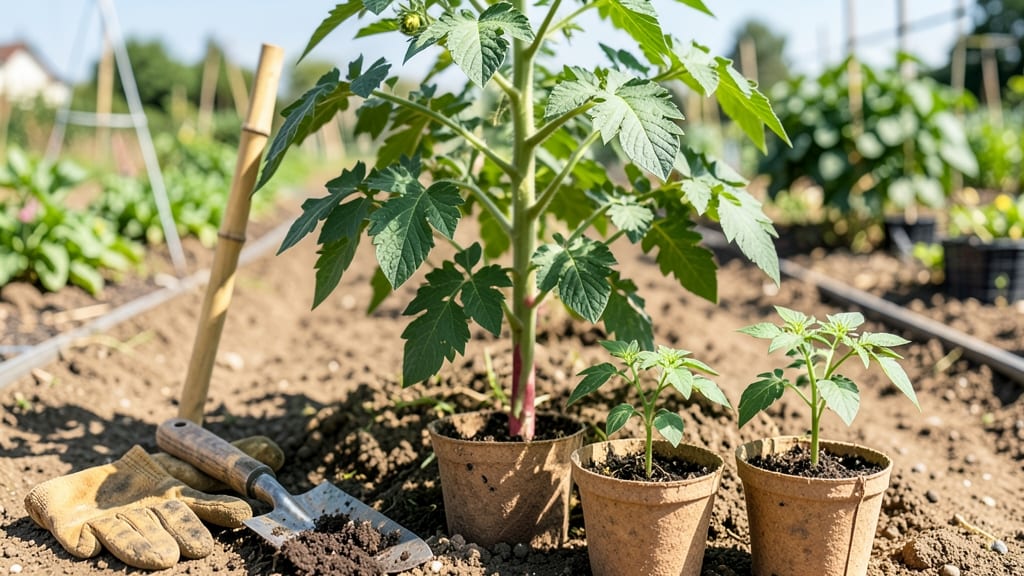
Figuring out when to plant tomatoes in Pennsylvania can make or break your harvest—get it wrong, and you’re staring at frost-nipped seedlings or a season of disappointment.
With the Keystone State’s mix of USDA Zones 5b-7a, timing isn’t one-size-fits-all, but the good news is you don’t need a degree in meteorology to nail it.
Most Pennsylvania gardeners wait until mid-April to early June after the last frost (typically around April 15, but it varies by region). That said, soil temperature matters just as much as calendar dates—wait until it hits 60°F and nighttime temps stay above 50°F to avoid stunted growth.
I’ll break down the exact windows for your zone and how to adjust for early vs. late varieties.
Here’s the game-changer: starting seeds indoors 4-6 weeks before your last frost date gives you a head start, especially for heirloom varieties that need more time to mature.
But even with perfect timing, common mistakes like planting too early in Zone 5 or ignoring microclimates (think Pittsburgh vs. Scranton) can throw off your entire season.
In this guide, I’ll walk you through zone-specific planting dates, how to use a last-frost calculator, and pro tips to avoid the most common pitfalls—so you can enjoy homegrown tomatoes from June to October without the guesswork. Let’s get those seeds in the ground the right way.
Pennsylvania tomato planting dates by Zone: exact last-frost calculations
Timing your tomato plantings in Pennsylvania isn't just about the calendar—it's about understanding your USDA hardiness zone, soil temperature, and historical frost data.
The state spans zones 5b through 7a, meaning your last frost date could range from early April in the south to late May in the north.
For example, Philadelphia (Zone 7a) typically sees its last frost around April 15, while Erie (Zone 6a) might wait until May 1.
To avoid frost damage or blight risks, always wait until both the air and soil meet key thresholds: nighttime temperatures stay above 50°F and soil warms to 60°F+.
In Zone 5, this often means holding off until mid-May, while Zone 7 gardeners can plant as early as late April. Penn State Extension recommends using a soil thermometer to confirm readiness—never guess!
Pennsylvania Tomato Planting Timeline by Zone
| Zone | Last Frost Date | Planting Window | Soil Temp Threshold | Notes |
|---|---|---|---|---|
| 5b (e.g., State College) | May 10 | May 15–June 1 | 60°F+ | Use row covers for early starts |
| 6a (e.g., Pittsburgh) | April 25 | April 30–May 15 | 55°F+ | Watch for late frosts |
| 7a (e.g., Philadelphia) | April 15 | April 20–May 5 | 50°F+ | Early varieties thrive |
For gardeners in Zone 6 or 7, you can push the envelope with early varieties like 'Stupice' or 'Mountain Merit' by starting seeds indoors 4-6 weeks before your last frost.
Transplant these hardy seedlings outdoors as soon as soil is workable, even if nighttime temps dip to 40°F. Just be prepared to cover them with frost cloth if a late freeze hits.
In Zone 5, where frosts linger longer, opt for longer-season varieties like 'Brandywine' or 'Cherokee Purple'. These need the full 80-90 days to maturity, so delay planting until after May 15 to avoid stunted growth.
If you're eager for tomatoes, consider container growing—pots warm up faster and can be moved to protected spots.
Don’t rely solely on the calendar! Use the Penn State Ag Progress tool to input your zip code and get a customized frost forecast. For example, Lancaster (Zone 7a) saw a late frost on May 5, 2023, catching many gardeners off guard.
Always have a backup plan, like a cold frame or greenhouse, for those unpredictable late-season surprises.
Once your tomatoes are in the ground, monitor for blossom end rot—a classic sign of inconsistent soil moisture. In Zone 5, this often spikes in June when soil temps fluctuate.
Mulch with straw or shredded leaves to keep roots stable and water deeply once a week during dry spells. Remember: Tomatoes hate soggy feet, so ensure your garden beds have well-draining soil.
For heirloom varieties, which take longer to mature, consider succession planting. After your first batch goes in
How to adjust planting dates for early vs. late varieties in PA
Adjusting your tomato planting schedule in Pennsylvania depends on whether you’re growing early-maturing hybrids or heirloom varieties. Early varieties like 'Early Girl' (60-65 days to harvest) can handle cooler soils, while heirlooms like 'Brandywine' (80+ days) need warmer conditions and longer growing windows.
I’ve found that starting seeds indoors 4-6 weeks before your last frost date is key for heirlooms, while hybrids can often go straight into the ground after frost.
For Zone 5 gardeners (e.g., Erie, Scranton), aim to start seeds indoors by March 15 for transplanting after May 1. In Zone 7 (e.g., Pittsburgh, Philadelphia), you can start seeds as late as April 1 and transplant by May 15.
The trick is balancing seedling age (6-8 weeks old) with outdoor soil temperatures—wait until soil hits 60°F to avoid stunted growth.
Here’s my pro tip: use row covers or cold frames to extend your season. In Zone 6, I’ve successfully planted early varieties in late April under floating row covers, which add 2-4 weeks of protection against light frosts.
Just remove covers when flowers appear to prevent heat buildup. For late varieties, wait until early June to ensure enough warm days before the first frost (usually mid-October).
One mistake I’ve seen is pushing early plantings in Zone 5 without protection. Even if your last frost is April 15, a late frost can still hit in early May.
To assess risk, check Penn State’s historical frost data for your county—some areas like northeastern PA average later last frosts than southwestern PA. For example, Wilkes-Barre (Zone 5b) has a later average last frost (April 22) than Harrisburg (Zone 6b, April 10).
For container gardening, adjust your timeline by 1-2 weeks earlier—potted tomatoes warm up faster in the sun. I’ve had success planting determinate varieties (bush tomatoes) in containers by mid-May in Zone 6, even if the ground is still chilly.
Just use black plastic pots to absorb heat and add a mulch layer to retain warmth.
Remember, the goal is 165 frost-free days in Pennsylvania. By aligning your variety’s days-to-maturity with your local frost dates, you’ll maximize your harvest window.
For example, a 70-day hybrid planted on May 15 in Zone 6 will yield by late July, while an 85-day heirloom needs to go in by early June to ripen by mid-September.