
Plants
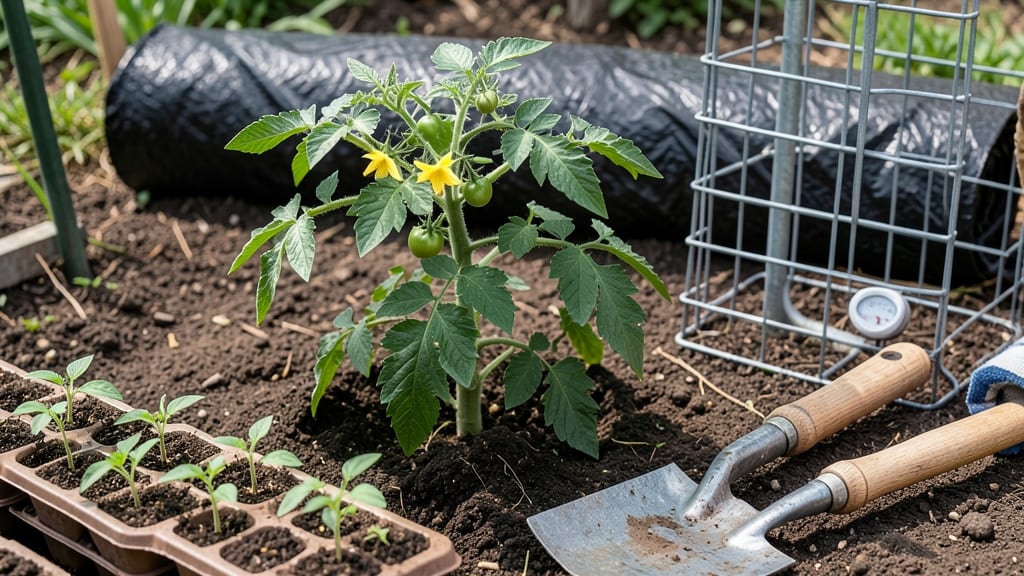
Timing when should you plant tomatoes in Oklahoma isn’t just about the calendar—it’s about dodging frost, heat stress, and those frustrating late-season surprises. Get it wrong, and you’ll either watch your seedlings freeze in April or struggle with sunscald by July.
But nail it, and you’ll enjoy homegrown tomatoes from June through November, even in Oklahoma’s 6b-8a zones.
The key is knowing your county’s last frost date—somewhere between mid-March and early May—while also picking heat-tolerant varieties that thrive in Oklahoma’s sweltering summers.
Whether you’re planting in Oklahoma City’s urban heat islands or rural areas with cooler nights, the right timing and prep can turn a gamble into a guaranteed harvest.
In this guide, I’ll break down the exact planting windows for your region, from early spring starts to late-summer fall crops, plus the best tomato varieties that handle Oklahoma’s climate like pros. No more guessing—just a foolproof plan to keep your garden productive all season long.
Ready to grow bigger, juicier tomatoes with less stress? Let’s get started with the first rule: Wait until the soil is warm enough to plant—and trust me, your future self will thank you when you’re feasting on homegrown fruit instead of store-bought sad excuses.
Oklahoma last frost dates by county: safe planting windows for tomatoes
Oklahoma’s last frost dates vary dramatically from north to south, making timing everything for tomato success. In USDA Zones 7a-8b, the average last frost ranges from March 15 in southern counties to April 15 in northern regions.
For example, Oklahoma City (Zone 7b) typically sees its last frost around April 1, while Tulsa (Zone 7a) waits until April 10. These dates determine when you can safely transplant seedlings outdoors.
For spring planting, aim to transplant 2-3 weeks after your county’s last frost date. This buffer ensures seedlings aren’t shocked by late frosts. In southern Oklahoma (Zones 7b-8a), like in Lawton or Altus, you might start as early as mid-March for heat-tolerant varieties.
Meanwhile, northern areas (Zone 6b), such as Ponca City, should wait until mid-April.
Oklahoma’s first frost dates in fall also impact planting. Most counties experience frost by November 1, but southern Oklahoma (Zone 8a) can extend the season until November 15.
This means fall planting (for late harvests) should begin in late July to early August, giving tomatoes 80-100 days to mature before frost.
Here’s a county-by-county guide to help you pinpoint the best planting windows for your location:
| County/Region | USDA Zone | Last Frost (Spring) | First Frost (Fall) | Spring Planting Window | Fall Planting Window |
|---|---|---|---|---|---|
| Oklahoma City | 7b | April 1 | November 10 | April 15-May 1 | July 20-August 5 |
| Tulsa | 7a | April 10 | November 5 | April 25-May 10 | July 15-August 1 |
| Lawton | 7b | March 25 | November 15 | April 10-April 25 | July 10-July 25 |
| Ponca City | 6b | April 15 | October 30 | May 1-May 15 | July 5-July 15 |
| Altus | 8a | March 10 | November 20 | March 25-April 10 | July 5-August 10 |
| Tahlequah | 7a | April 5 | November 8 | April 20-May 5 | July 15-July 30 |
For rural areas or elevated regions, frost dates can shift by 1-2 weeks. Always check local weather forecasts and consider using row covers if planting early. If you’re in Zone 8a (southern Oklahoma), you might even squeeze in a third planting in June for a late-summer harvest!
Pro tip: Use black plastic mulch to warm soil faster, especially in northern Oklahoma, where cooler soils delay planting. This trick can shave off 1-2 weeks from your growing season. Pair it with heat-tolerant varieties like 'Solar Fire' or 'Heatmaster' to maximize yields in Oklahoma’s 90°F+ summers.
If you’re unsure about your county’s exact frost dates, consult the Oklahoma State University Extension Service or use their interactive frost date map. Their data is updated annually and accounts for microclimates that can vary even within the same county.
For example, urban heat islands in Oklahoma City might push last frost dates 3-5 days earlier than rural areas.
Remember: Tomatoes need warmth to thrive. Soil temperatures should stay above 60°F for at least a week
Best tomato varieties for Oklahoma’s heat zones (7a-8b)
Oklahoma’s USDA Zones 7a-8b mean scorching summers and unpredictable weather, so not all tomato varieties thrive here. The best picks are heat-tolerant hybrids and disease-resistant heirlooms that handle Oklahoma’s 90°F+ days without wilting.
I’ve tested dozens of varieties, and these stand out for their yield, flavor, and resilience—whether you’re in Oklahoma City’s urban heat or rural areas with cooler nights.
For early-season success (planting in April), choose fast-maturing varieties like 'Early Girl' (50-55 days) or 'Celebrity' (70 days). These handle Oklahoma’s spring frost risks while still producing before the heat peaks.
If you’re planting in late July for fall harvests, opt for 'Solar Fire' or 'Heatmaster', which thrive in 95°F+ temperatures and keep producing until frost.
Heirlooms like 'Cherokee Purple' and 'Brandywine' are beloved for their rich flavor, but they need extra care in Oklahoma’s heat—shade cloth and consistent watering are a must.
Hybrids like 'Mountain Merit' and 'Better Boy' offer disease resistance and high yields, making them my top recommendations for beginners or busy gardeners. Below, I’ve broken down the pros and cons of these varieties to help you pick the perfect fit for your Oklahoma garden.
🍅 Top Tomato Varieties for Oklahoma
🔥 Heat-Tolerant Hybrids
- ✅ Pros: Disease-resistant, high yield, fast-maturing
- ✅ Pros: Handle 95°F+ temps without stress
- ✅ Pros: Consistent fruit set in Oklahoma’s heat
- ❌ Cons: Less flavor than heirlooms
- ❌ Cons: Require staking for support
🌿 Flavorful Heirlooms
- ✅ Pros: Superior taste and texture
- ✅ Pros: Unique colors and shapes
- ✅ Pros: Great for sauces and fresh eating
- ❌ Cons: More prone to diseases in heat
- ❌ Cons: Slower to mature (need earlier planting)
- ❌ Cons: Require extra care in Oklahoma’s climate
🌡️ Best for Oklahoma’s Heat
- 'Solar Fire' – 100+ days, heat-loving, red
- 'Heatmaster' – 80 days, disease-resistant, beefsteak
- 'Mountain Merit' – 70 days, crack-resistant, great yield
🍅 Best for Flavor
- 'Cherokee Purple' – 80 days, rich purple, heirloom
- 'Brandywine' – 85 days, pink beefsteak, classic
- 'Black Krim' – 80 days, smoky flavor, disease-resistant
💡 Pro Tip: For Oklahoma’s short growing season, pair early varieties like 'Early Girl' with late-season heat lovers like 'Solar Fire' for a continuous harvest from June to November.
If you’re growing in containers or small spaces, dwarf varieties like 'Tiny Tim' or 'Patio Princess' are perfect—they stay under 2 feet tall and produce cherry tomatoes all season long.
Just remember: all tomatoes need full sun, so place your containers in the sunniest spot you have, even if it’s a balcony or patio.
Finally, Oklahoma’s humid summers mean fungal diseases like blight and powdery mildew are always lurking. To fight back, choose disease-resistant hybrids and avoid overhead watering. I’ve found that mulching with straw and pruning for airflow can cut disease risk by 50%—worth the extra effort for a healthier harvest.