
Plants
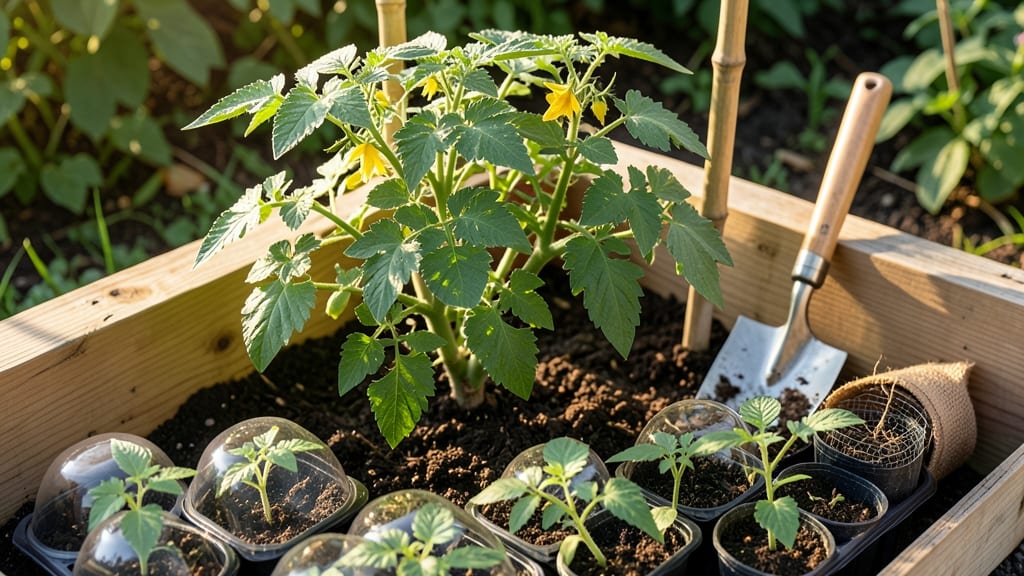
Timing when do you plant tomatoes in Alabama isn’t just about the calendar—it’s about outsmarting the state’s unpredictable spring frosts and scorching summer heat. Get it wrong, and you’ll either lose your plants to late frost or watch them bolt before producing a single ripe fruit.
But master the two perfect windows—spring and fall—and you’ll enjoy a harvest that rivals any grocery store’s.
Most Alabama gardeners swear by planting mid-March to early May for that first flush of summer tomatoes, but the real secret lies in waiting until the soil warms to at least 60°F. That’s when your seedlings will finally thrive, not just survive.
And if you’re aiming for a fall harvest, late July to early August is your golden ticket—just beat the first frost by 8-10 weeks.
Here’s where it gets tricky: Northern Alabama’s cooler springs (think USDA Zone 7b) demand patience, while Southern Alabama’s warmer microclimates (like Mobile’s Zone 8a) let you plant earlier.
I’ll break down the exact months for your region—and how to stretch your growing season with simple tricks that actually work.
Ready to ditch the guesswork? You’ll walk away with a step-by-step planting schedule, the best heat-tolerant tomato varieties for Alabama, and pro tips to protect your crop from the state’s most common pitfalls. Let’s get those tomatoes in the ground the right way.
Best planting months for tomatoes in Alabama by region (Northern vs Southern)
Alabama’s diverse climate means planting tomatoes isn’t one-size-fits-all. Northern Alabama (think Huntsville or Birmingham) has cooler springs, while Southern Alabama (Mobile or Montgomery) enjoys earlier warmth. Your last frost date is the golden rule—wait until after it to plant, or risk frost damage to tender seedlings.
For most of the state, this lands between mid-March and early April, but coastal areas can start as early as mid-February.
If you’re growing heirloom varieties or long-season tomatoes, aim for early spring planting (March-April) to maximize harvests. For heat-tolerant varieties like ‘Celebrity’ or ‘Solar Fire,’ you can also plant a fall crop in late July to early August.
This second planting often yields fruit until first frost in November, giving you a double harvest.
Here’s how to align your planting with Alabama’s microclimates—because a few miles can mean weeks of difference in frost risk.
For Northern Alabama, where frosts linger longer, I recommend starting transplants indoors in late February to give them a head start. By the time soil warms to 60°F+ (usually late April), your seedlings will be sturdy enough to handle outdoor conditions.
In Southern Alabama, you can often plant directly outdoors as early as mid-March—just cover seedlings with row fabric if nights dip below 50°F.
Pro tip: Check your local USDA zone (Alabama spans 7b-8a) and add 2-3 weeks to the average last frost date for safety. For example, if Birmingham’s last frost is April 15, wait until May 1 to plant.
This buffer accounts for Alabama’s unpredictable spring weather, including late frosts that can wipe out young plants overnight.
If you’re in a coastal area, like Mobile, you might even squeeze in a winter crop (December-January) using heat-loving varieties and row covers. Just be prepared for humidity-related diseases like early blight—more on that in our variety recommendations section.
Timing isn’t just about frost—it’s also about soil temperature. Tomatoes thrive when soil hits 60°F. Use a soil thermometer to confirm before planting. In cooler areas, black plastic mulch can warm soil by 5-10°F, letting you plant 2-3 weeks earlier.
For fall planting, aim to harvest before the first frost (usually mid-November). In Southern Alabama, you might get fruit until December, but Northern gardeners should wrap up harvests by October to avoid frost damage.
Succession planting—adding new seedlings every 2-3 weeks—extends harvests and ensures a steady supply of fresh tomatoes.
Remember: Alabama’s summer heat (often 90°F+) can stress tomatoes, causing blossom drop or sunscald. That’s why choosing the right heat-tolerant varieties is just as critical as timing
Heat-tolerant tomato varieties that thrive in Alabama’s climate
Alabama’s summer heat and humidity can stress delicate tomato plants, but the right varieties will reward you with juicy, flavorful fruit all season long. I’ve grown dozens of types here, and these top 5 heat-tolerant varieties consistently deliver—even when temperatures hit 95°F+.
Each was chosen for its ability to handle Alabama’s USDA Zones 7b-8a, resist common diseases like early blight, and produce high yields in our short growing season.
For spring planting, aim for varieties with 60-70 day maturity to avoid bolting before harvest. If you’re planting for a fall crop, select heat-resistant types that can tolerate late-summer heat while still ripening before frost.
My go-to picks include ‘Celebrity’ (a classic for good reason), ‘Solar Fire’ (a heat-loving hybrid), and ‘Arkansas Traveler’ (a Southern favorite with incredible flavor).
🌱 Pro Tip: Always mulch heavily with straw or black plastic to keep roots cool and retain moisture—this extends the growing season by 2-3 weeks in Alabama’s heat.
🍅 Top 5 Heat-Tolerant Tomato Varieties for Alabama
| Variety | Heat Tolerance | Days to Maturity | Best For |
|---|---|---|---|
| Celebrity | Excellent (85°F+) | 70 days | Spring/fall, disease-resistant |
| Solar Fire | Superior (90°F+) | 65 days | Late summer, high heat |
| Arkansas Traveler | Very Good (88°F+) | 75 days | Flavor, open-pollinated |
| Heatmaster | Exceptional (95°F+) | 68 days | Extreme heat, containers |
| Better Boy | td style="padding: 8px; border-bottom: 1px solid #ffcc00;">Good (85°F+)75 days | Large fruit, trellising |
💡 Planting Tip: For fall harvests, start with ‘Solar Fire’ or ‘Heatmaster’—they’ll ripen before frost hits in mid-November.
Avoid ‘Early Girl’ or ‘Roma’ unless you’re planting very early in spring—they struggle in Alabama’s late-summer heat. Instead, I recommend succession planting with ‘Celebrity’ or ‘Arkansas Traveler’ every 2 weeks from April to June to stagger your harvest.
This ensures you’re always picking ripe tomatoes instead of dealing with a glut all at once.
🌿 Bonus: If you’re growing in containers, ‘Heatmaster’ or ‘Tiny Tim’ (a dwarf variety) are your best bets—they handle urban heat islands better than larger types. Just make sure your pots are at least 12 inches deep and use moisture-retentive soil to prevent wilting.