
Plants
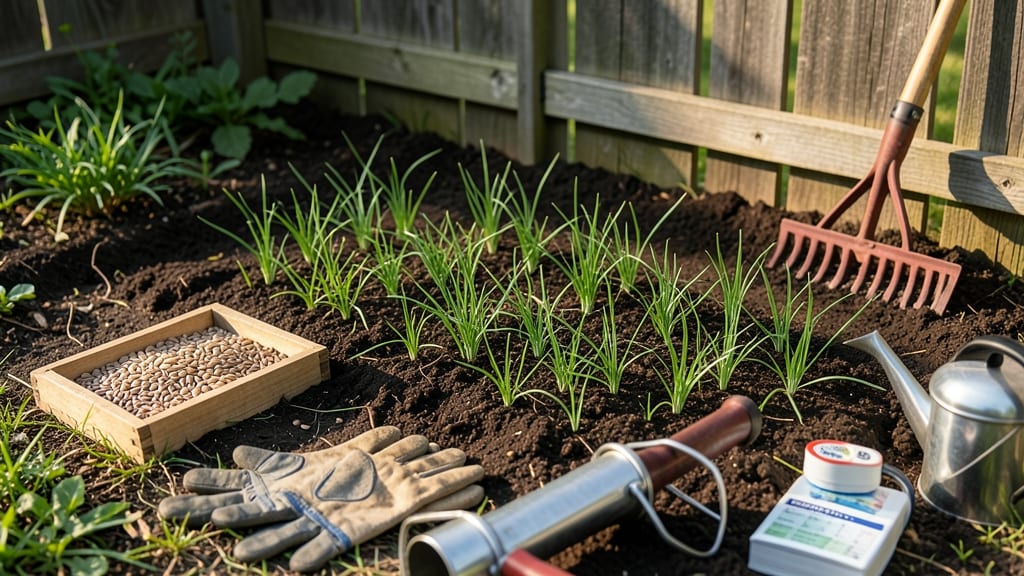
Timing your grass seed planting in Michigan can feel like a guessing game—plant too early and frost zaps your seedlings, too late and summer heat turns your lawn into a crispy desert.
But with the right frost-free window, you can grow a thick, vibrant lawn that survives Michigan’s Zone 5-6 climate.
Most gardeners swear by fall seeding (September-October) because cooler temps and consistent moisture give grass roots a head start before winter. However, early spring (April-May) works too, as long as soil temperatures stay above 50°F and you’re past the last frost date.
The key is avoiding those tricky transitional months when Mother Nature keeps you on edge.
Whether you’re in northern Michigan’s cooler Zone 5a or southern areas closer to Zone 6b, local microclimates matter. Southern regions might push planting a week earlier, while northern areas play it safer with later dates.
I’ll show you exactly how to adjust for your specific corner of the state—and what to watch for when deer or drought threaten your new lawn.
Ready to stop second-guessing? Let’s break down the perfect planting schedule, plus the 5 biggest mistakes Michigan gardeners make (and how to avoid them). Your dream lawn starts with the right timing—and I’ve got the details.
Michigan’s ideal grass seed planting windows by month (Zone 5-6)
Timing your grass seed planting in Michigan’s Zone 5-6 climate hinges on two key windows: early spring and early fall. These periods offer the perfect balance of soil warmth and moisture availability for seed germination.
Spring planting typically starts after the last frost date, while fall planting should occur 6-8 weeks before the first frost to allow roots to establish before winter dormancy.
Michigan’s average last frost date falls around April 15, but this can vary by 1-2 weeks depending on your specific region. For fall planting, aim for mid-September to early October to give seedlings time to develop a strong root system before the ground freezes.
This timing ensures your lawn has a head start in the following spring.
Here’s how to align your planting with Michigan’s seasonal rhythms for optimal results:
| Planting Window | Best Months | Soil Temp Requirement | Key Considerations |
|---|---|---|---|
| Early Spring | April–May | 50°F+ | Risk of late frosts; prioritize Kentucky bluegrass for cold tolerance. |
| Late Spring | June | 60°F+ | Hot, dry conditions; tall fescue thrives here with extra watering. |
| Early Fall | September–October | 55°F+ | Best success rate; perennial ryegrass germinates quickly in cool soil. |
| Late Fall | November | 45°F+ | High risk of frost; avoid unless using winter-hardy varieties. |
Pro Tip: Use a soil thermometer to confirm soil temps before planting—50°F+ is ideal for most grass seed varieties.
For spring planting, focus on Kentucky bluegrass and perennial ryegrass, which handle Michigan’s cool springs well. These varieties establish roots quickly, giving them a fighting chance against late frosts.
If you’re planting in late spring (June), opt for tall fescue, which has deeper roots and better drought tolerance for summer’s heat.
Fall planting, however, is often the best strategy for Michigan lawns. The cooler temperatures reduce weed competition, and consistent rainfall in September-October keeps the soil moist. Perennial ryegrass is my top recommendation for fall—it germinates in 5-10 days and establishes a dense root system before winter.
Plus, it greens up faster in spring than other varieties.
One common mistake I see is planting too early in spring when the soil is still cold or frozen. If you’re eager to start, you can prep the soil in March (remove debris, loosen compacted areas) but wait until April to sow seed.
This gives the soil time to warm up naturally, reducing the risk of seed rot.
Another critical factor is soil moisture. Michigan’s spring can be unpredictable, with sudden rain followed by dry spells. After planting, keep the soil consistently moist (about 1 inch of water per week) until the grass reaches 3 inches tall.
This encourages deep root growth and helps seedlings outcompete weeds.
If you’re in southern Michigan, you might push your fall planting into early November, but northern regions should wrap up by mid-October. Always check your local USDA Plant Hardiness Zone map for precise frost dates—Michigan spans Zone 4b to 6b, so timing can shift by weeks between regions.
For the most reliable results, I recommend fall planting—it’s my go-to method for Michigan lawns. The cooler weather and natural rainfall create perfect conditions for seed germination, and your lawn will be thicker and greener by next spring.
Just remember: soil temperature matters more than air temperature, so always test it before you plant.
How to adjust planting timing for Michigan’s microclimates (northern vs. southern regions)
Michigan’s Zone 5a-6b climate isn’t one-size-fits-all—whether you’re in the Upper Peninsula, northern Lower Peninsula, or southern Michigan, local conditions drastically affect your planting window. I’ve seen neighbors just 50 miles apart with 2-week differences in frost dates, so knowing your microclimate is key to success.
Southern Michigan (like Wayne, Monroe, or Oakland counties) often enjoys 1-2 weeks earlier last frost dates than northern regions, thanks to urban heat islands and proximity to Lake Erie. Meanwhile, the Upper Peninsula can lag by 3 weeks or more due to its higher elevation and cooler lake effects.
Let’s break down how to adjust your timing for each region.
🌱 Northern Michigan (Zone 5a):
- Last frost: May 1-15
- First frost: September 20-October 5
- Best planting: Late April-May (spring) or late September (fall)
- Watch for: Extended cold snaps—wait until soil stays above 50°F for 5+ days
- Deer risk: Higher in spring; use deer-resistant varieties like tall fescue or fine fescue 🌿
🌿 Southern Michigan (Zone 6a-6b):
- Last frost: April 15-May 1
- First frost: October 10-20
- Best planting: Early April (spring) or mid-September (fall)
- Urban tip: Cities like Detroit stay warmer—plant 1 week earlier than rural areas
- Drought risk: Higher in summer; mulch heavily after seeding 💧
🪴 Upper Peninsula (Zone 4b-5a):
- Last frost: May 15-30
- First frost: September 10-20
- Best planting: Mid-May (spring) or early September (fall)
- Lake effect: Areas near Lake Superior get delayed springs—wait for consistent 60°F soil temps
- Short season: Prioritize fast-germinating varieties like perennial ryegrass 🌱
Pro tip: Check your local USDA frost map or use the Michigan State University Lawn Calendar for real-time updates. If you’re unsure, err on the side of planting later—a few extra weeks of warmth are better than a surprise frost!
Need a quick reference? Grab this microclimate